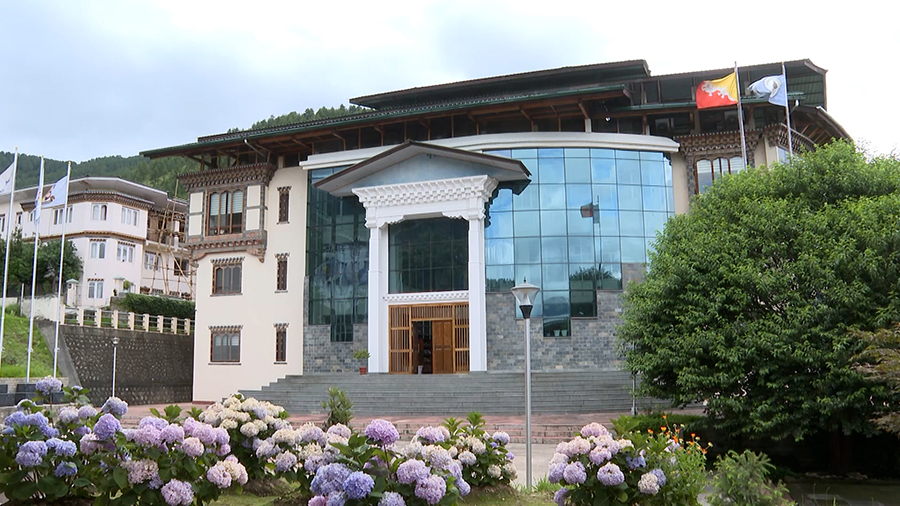
 College students across the country could see their monthly stipend rise for the first time in seven years. The Royal University of Bhutan has proposed raising the stipend from Nu 2,500 to up to Nu 6,500 per month amid the rising cost of living. The RUB submitted the proposal to the finance ministry in February this year.
Currently, the majority of college students receive Nu 2,500 as their monthly stipend, except for the students of Paro College of Education and Samtse College of Education, where students get Nu 1,000 more.
College stipends have not changed since 2019. On the other hand, food prices have. According to the National Statistics Bureau’s monthly Consumer Price Index report, inflation this May surged to 7.72 per cent. The Index tracks changes in the prices of goods and services that households commonly buy.
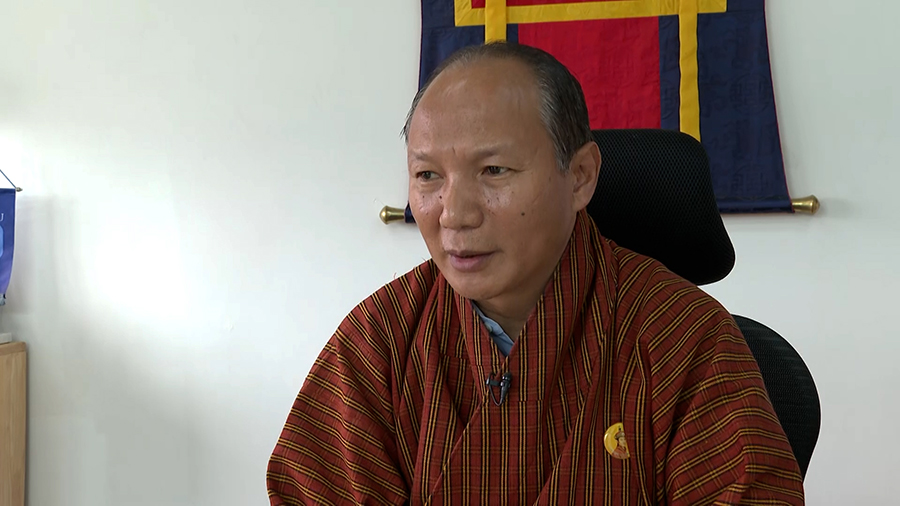
“So, we have analysed to see, you know, how much prices have gone up and whether the current stipend that the students are receiving from the government is adequate to meet the expenses they’re supposed to meet. And as per our analysis, we looked at the market rates, we asked students, we looked at the inflation, the consumer price index, etc. So, the team has studied that, and they found that food alone is costing anywhere between 2,500 and 3,000 plus per month,” said Chewang Rinzin, Vice Chancellor, RUB.
Under the proposed revision, all students will receive a uniform amount of monthly stipend, which is Nu 4,000 for boarding students and 4,800 for day scholars.
However, students of the Post Graduate Diploma in Education, PGDE, currently receiving Nu 5,000 per month, could get Nu 1,500 extra if the proposal comes through.
When the National Assembly last raised the stipend to Nu 2,500 in 2019, lawmakers said the old amount could buy only around 300 calories a day against a requirement of 500 calories per student. Seven years on, the RUB is making much the same case.
“One reason why we are requesting the stipend increase is to be able to give good food, nutritious food, a balanced diet to our students. And if they receive a little more, obviously, they have enough to hopefully fulfil their dietary requirements, and maybe then that leaves some room for also, you know, catering to other needs like stationery and toiletries,” added the Vice Chancellor.
While acknowledging the government’s resource constraints, the Vice Chancellor said he is optimistic the proposal will be approved.
Currently, college menus provide students with meat twice a week. If the revision is approved, colleges hope to improve the quality and variety of meals provided to students across the country.
Meanwhile, students in schools are already benefiting from an increase in the stipend allocated for meals beginning this academic year.
In boarding schools that provide three meals a day, the monthly stipend is Nu 3,100 per student. For schools providing two meals a day, students receive Nu 2,065 per month, while those receiving one meal are allocated Nu 1,035 each every month.
The Finance Ministry is currently reviewing the proposal, which will have to weigh students’ plates against the state of the public purse before submitting it to the Cabinet.
Sonam Yuden
Edited by Phub Gyem