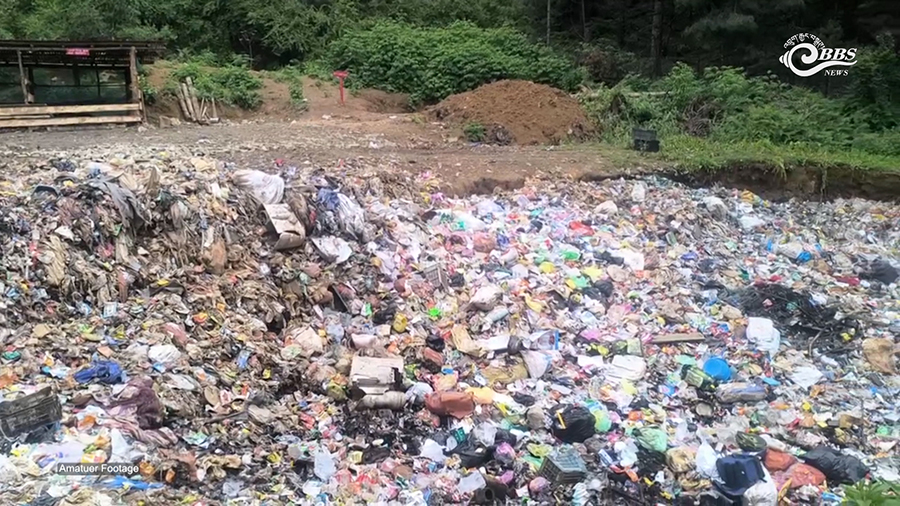
 Nestled in the picturesque Gangtey-Phobji valley of Wangdue Phodrang, one of Bhutan’s premier tourist destinations and the winter home of the iconic black-necked cranes, a growing waste management crisis is raising environmental concerns. The existing landfill has reached full capacity, leaving the gewog with little space to dispose of waste.
More than 15 years ago, a landfill, the size of a futsal ground, was constructed in Tapaiteng-Eusa Chiwog to serve the needs of Gangtey and Phobji. Then, the population was smaller, and tourism was limited.
But that has changed.
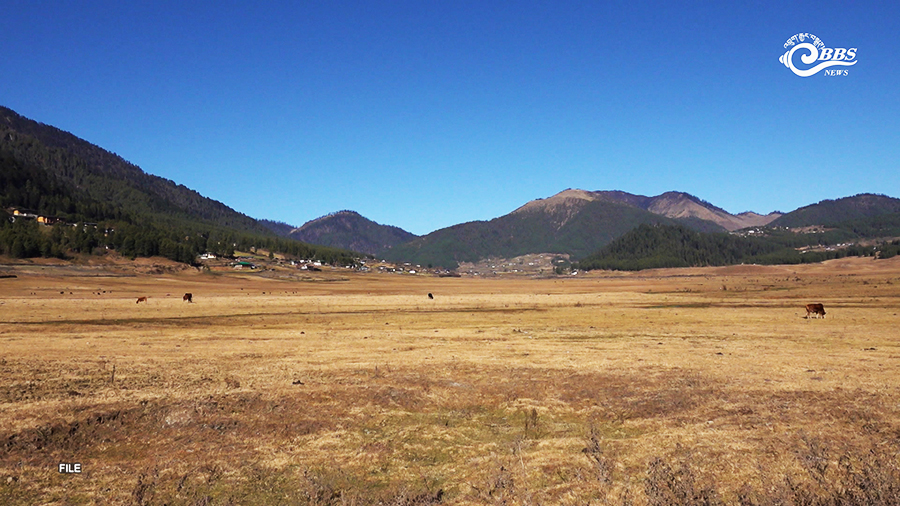 Over the years, the valley has emerged as a major tourist destination, attracting increasing numbers of visitors, hotels and businesses. While tourism has boosted the local economy and national revenue, it has also led to a sharp rise in waste generation, far beyond what the existing landfill was designed to handle.
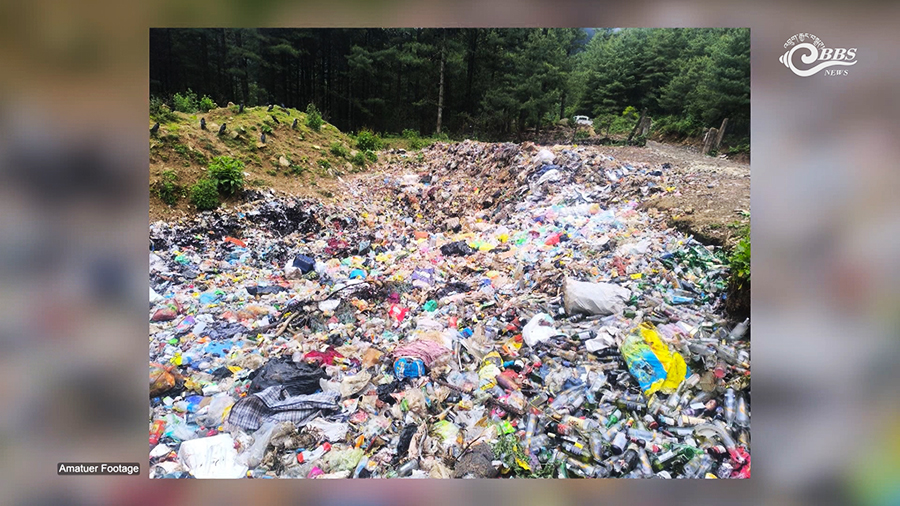 Today, as a temporary measure, waste is being dumped at another site within the same area. But that site is also running out of space.
“With the growing hotels and other business sectors, it has overwhelmed the landfill site. Within a few years, the landfill site was overfilled with waste. Both the tractor and the landfill site were not managed well. So it has become a big issue,” said Jigme Tshering, the chief of the Species Conservation Division, RSPN.
The Gangtey-Phobji Environment Management Committee oversees waste management in the gewog. It collects annual fees from businesses and hotels to carry out minor improvements such as road maintenance, CCTV installation and temporary dumping pits.
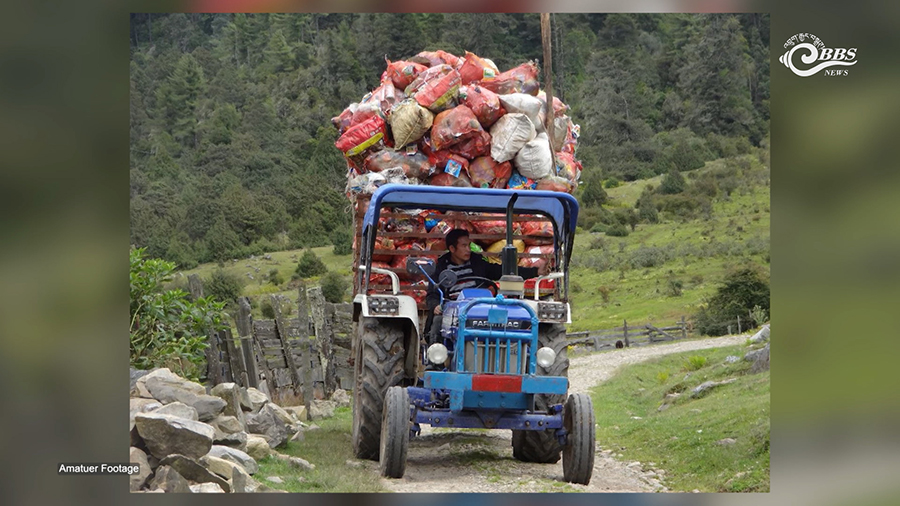 However, the gup says the revenue collected is nowhere near enough to construct a standard landfill facility. He estimates that around 30 million ngultrum is needed. The gewog also lacks a waste collection vehicle and still relies on an ageing tractor to transport waste across the valley.
Gangtey Gup Kinley Gyeltshen said, “The existing landfill site has now reached its full capacity. Moreover, it is located within a community forest. Domestic animals often enter the landfill and consume waste, which leads to serious problems. Therefore, the relevant agencies need to provide financial support for the construction of a standard landfill facility to ensure sustainable waste management.”
Officials say they have prepared an action plan and are now looking for funding.
Jigme Tshering said, “One of the ways of going forward is adopting the PPP model: Public-Private Partnership model, whereby a private entity actually takes care of this waste management. The fees that they collect from the business sector should be given over to the private entity just like what is happening in Thimphu with Greener Way managing a certain part of the city.”
As Gangtey-Phobji continues to welcome visitors from around the world, residents hope a long-term solution can be found before the waste problem threatens one of Bhutan’s most treasured landscapes.
Changa Dorji & Devika Pradhan
Edited by Sonam Pem