 From sacred thangkas painted more than centuries ago to artefacts that tell stories of Bhutan’s past, the Ogyen Choling Museum in Bumthang’s Tang Gewog, is offering visitors a rare journey through time. As the museum marks its Silver Jubilee, visitors are being treated to a rare display of historic thangkas, celebrating 25 years of efforts to preserve and share Bhutan’s cultural and spiritual heritage.
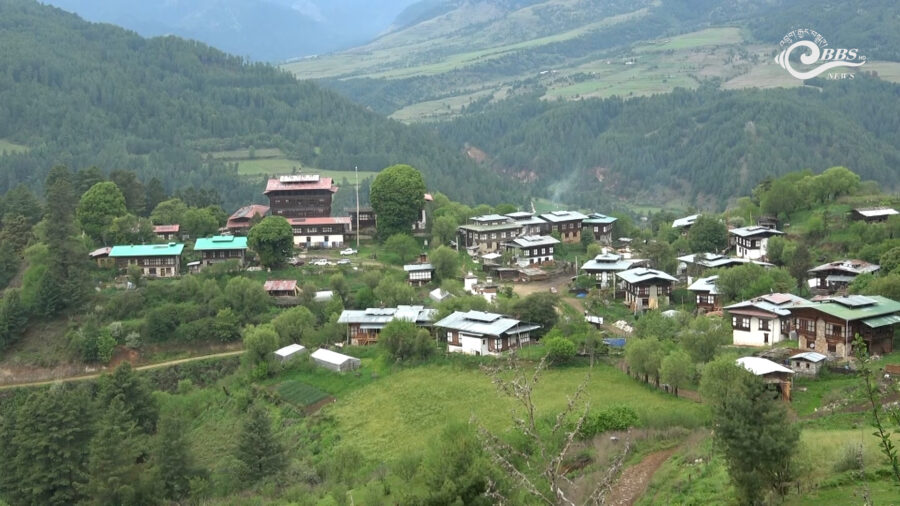 Established in 2001 within the ancestral home of the family, the Ogyen Choling Museum was founded as a living repository of memory, culture, and heritage.
More than a museum, it stands as a bridge between past and present, honouring the legacy of generations who lived here. It also preserves the sacred Buddhist lineages linked to the 14th-century Buddhist master Longchen Rabjam and treasure revealer Tertön Dorji Lingpa.
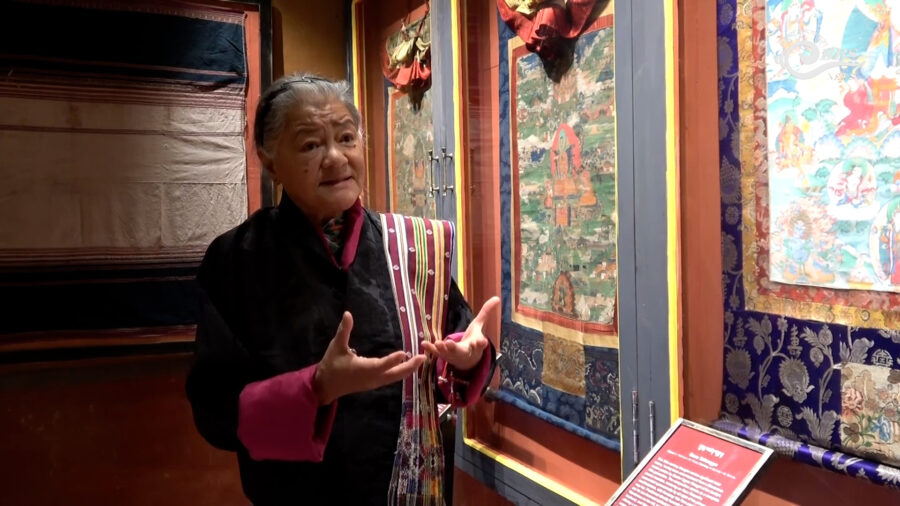 Kunzang Choden, the curator of Ogyen Choling Museum said, “People come here to find out more and when we say, the museum is created and founded by ancient masters, they feel the connection. It’s really expansion of knowledge.”
Over the past 25 years, the museum has expanded into a cultural space spread across four floors and 23 rooms of the Utse building. Its collections and interpretive displays offer visitors a glimpse into the social, spiritual, and domestic lives of Bhutanese nobility and rural communities before the 1960s.
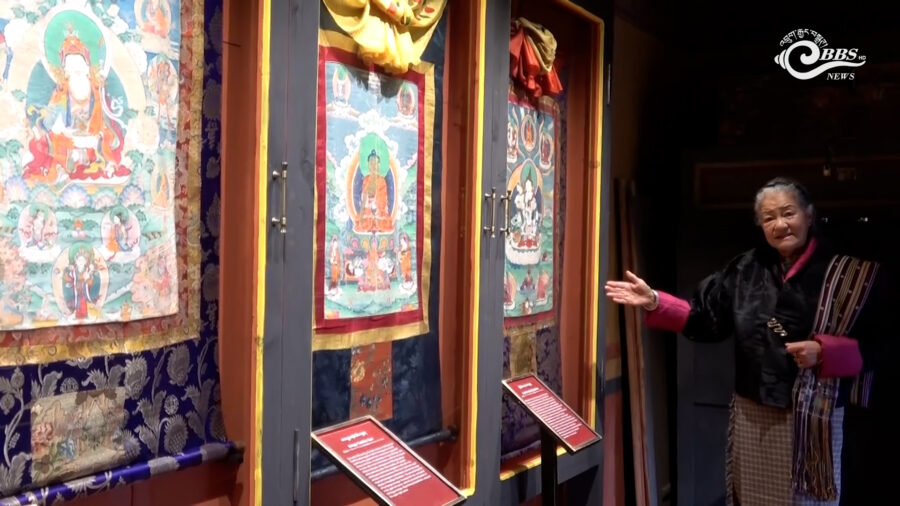
Adding a new dimension to this journey are rare thangkas from the Ogyen Choling Foundation’s collection. Painted between the early 1800s and the 1960s, the sacred artworks are now being displayed to the public.
Kunzang Choden added that “My family had over the years collected quite a lot of Thangkas. They were just lying-in boxes. So, we said, lots of people come here not only to look everyday farming tools and how family lived. And they want to know the sacred treasure of this house.”
Twenty-five years on, the Ogyen Choling Museum continues to breathe life into Bhutan’s history, ensuring that the stories, traditions, and wisdom of the past remain accessible to future generations.
Thinley Dorji