 A song is copied without permission. A film is secretly recorded inside a cinema hall, and now, artificial intelligence is generating content with ease. As technology transforms the way content is created, shared and consumed, Bhutan’s 25-year-old Copyright Act is struggling to protect the rights of original creators. Film and creative industries are now calling for a stronger Copyright Act.
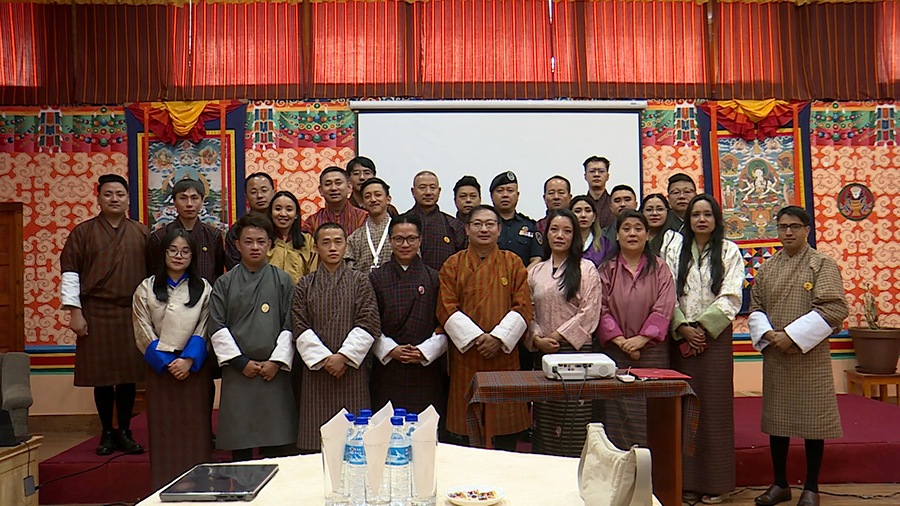
During the ongoing consultation on the first draft of the Copyright Bill, artists, filmmakers and industry representatives raised concerns over piracy and weak enforcement.
Although copyright violations are widespread, they say the violations are often treated lightly due to the lack of stronger laws to protect the rights of creators and owners.
“The existing Act is very lenient, and because of that, many people commit copyright infringement. Many cases are treated as civil cases, and proving them as criminal offences becomes difficult. Because of this, people tend to take copyright issues lightly since they do not see it as a serious issue,” said Tandin Tshering, sales and marketing head, Samuh.
“When we screen movies in theatres, people record them on their phones and leak them, causing huge losses to the production team. I am not sure whether this happens because people lack awareness about copyright or because the Act itself is weak,” said Kezang Dorji, an actor.
“People think there are no monetary penalties and believe it is alright to use our content freely. But this is against the law. Many are also unaware of the hardships artists go through to create music. In reality shows, participants simply choose songs and perform them without seeking prior permission,” said Choeying Jatsho, a music producer with M-Studio.
Artists and creators shared that technology is changing faster than the law itself and that the law must be made stronger and clearer.
Choeying Jatsho said, “We are seeing songs being remade using AI these days, and we do not know whether that is allowed or not. These are issues that need to be included in the Act because we are likely to see more issues like these in the future.”
Tandin Tshering said, “We need to strengthen the law. There should be a clear distinction between civil and criminal cases because right now it is confusing right now. The Act was established in 2001, and now it is 2026. A lot has changed and developed over the years.”
To address these gaps, the Department of Media, Creative Industry and Intellectual Property has been drafting the Copyright Bill. The bill is expected to be submitted to the Cabinet in September.
Officials are collecting feedback from relevant stakeholders, which will be used to refine the draft.
The bill includes stronger penalties for infringement, border enforcement measures, and provisions allowing authorities to seize and destroy pirated goods.
Deki Lhazom