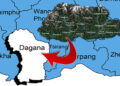
 Many hospitals and health centres in the country are not designed to be disability-friendly. As a result, visiting a hospital has long been a challenge for persons with disabilities. Many either depend on others for assistance or avoid seeking care altogether. This is beginning to change. Dagapela Hospital in Dagana has been upgraded and is now accessible to persons with disabilities.
More than 330 persons with disabilities live in Dagana, giving the district the fourth-highest prevalence in the country. As many of them seek health care at Dagapela Hospital, accessible and inclusive infrastructure has become essential.
To address this, the “Inclusive and Future Smart: Transforming the Public Sector for Improved Service Delivery” project has upgraded facilities at the hospital.
The hospital now has ramps, accessible washrooms, dedicated parking spaces, handrails, disability-friendly signage, and improved waiting areas. These upgrades will help persons with disabilities move around the hospital more easily and access health services more independently.
The initiative supports Dagana district’s goal of becoming a model inclusive district.
 Officials inaugurated the upgraded facilities on Wednesday.
UNDP Resident Representative Mohammad Younus said the milestone goes beyond infrastructure. He said, it represents a shift in thinking-a recognition that public services must serve all, especially those too often left at the margins. He added that inclusive development means more than policy; it means doors that truly open for everyone.
Similarly, Executive Director of the Disabled People’s Organisation of Bhutan, Kinley Wangchuk, said that Dagana is a flag bearer of inclusion. He added that its actions and ambitions are a powerful testament to what’s possible when leadership, vision, and collaboration come together.
The project is a collaboration between the Office of Cabinet Affairs and Strategic Coordination, the Disabled People’s Organisation, and UNDP.
The UNDP funded the project with support from its Funding Window Partners, the governments of Denmark, Luxembourg, and the Republic of Korea.
Pema Tshewang, Dagana