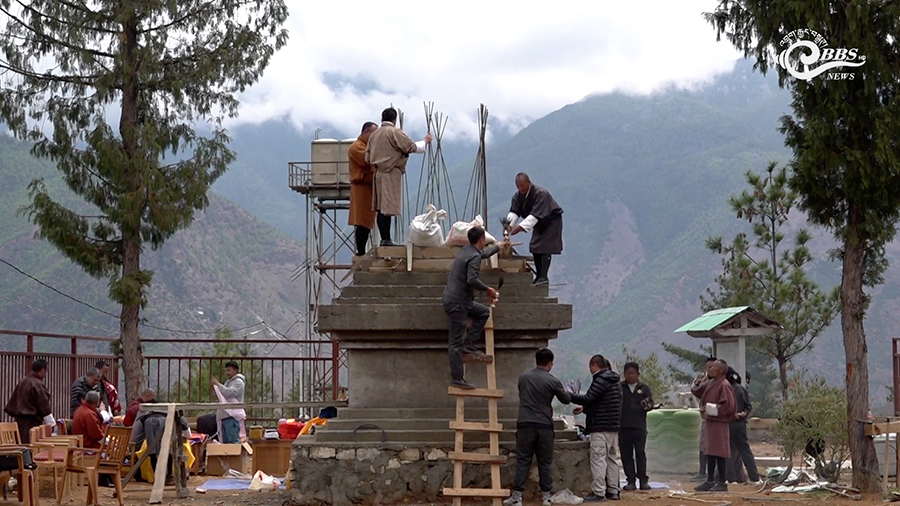
 From the rice fields of Paro to farming communities across Bhutan, the legacy of Dasho Keiji Nishioka continues to live on, not just in the fields but in the lives of farmers. Today, that legacy is being renewed, as the Nishioka Chorten in Paro is undergoing renovation to honour Dasho’s lasting contributions in transforming Bhutan’s agriculture.
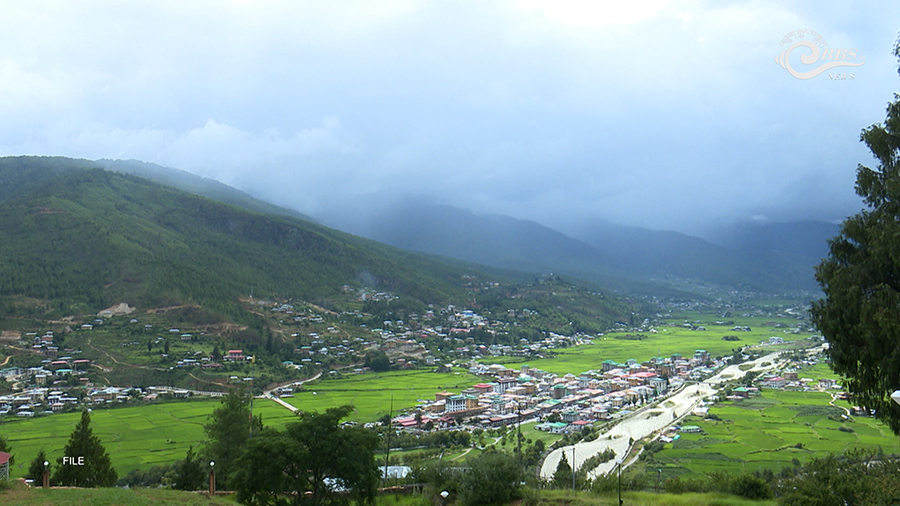 For the people of Paro, Dasho Nishioka’s contributions are not distant history but lived experience, felt in the fields, tools, and farming systems that continue to support livelihoods today.
Locals say his work directly transformed how agriculture is practised in the district, bringing both opportunity and lasting change.
“The people of Paro are grateful for the development Dasho Nishioka brought. He initiated the import of farm machinery, and Paro was the first district to benefit from this initiative. So, the people of Paro remember him fondly,” said Lungnyi Gup Jamtsho
Officials in the agriculture sector say that what began as a few introduced technologies has now evolved into a nationwide system that supports farmers, with institutions continuing to build on the foundation he laid.
“The farm machinery that Dasho introduced has come a long way, making work easier for farmers in their fields. Continuing his legacy, we still rent out farm machinery to support farmers, which benefits them,” said Kelzang Namgay, the officiating CEO of the Farm Machinery Corporation Limited.
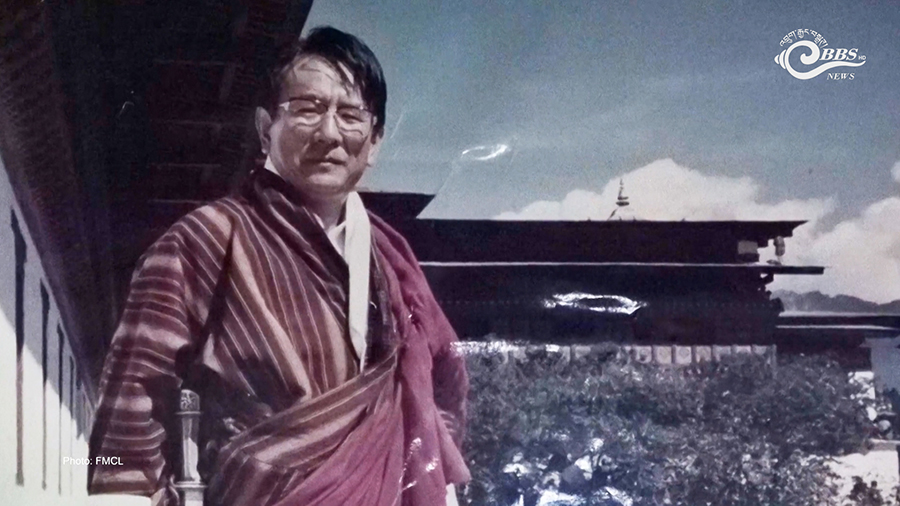 Keiji Nishioka arrived in Bhutan in 1964 as an agricultural and horticultural expert, at a time when the country was just beginning its journey toward modernisation. Over nearly three decades, he worked closely with farmers, introducing high-yield Japanese rice varieties, improving cultivation techniques, and promoting crops such as apples and asparagus. His efforts not only improved productivity but also reshaped farming practices across the country, laying the groundwork for agricultural mechanisation and development.
In recognition of his extraordinary service, His Majesty the Fourth Druk Gyalpo conferred upon him the title of Dasho in 1980. He was also posthumously awarded the Druk Thuksey medal in 1999. Today, his legacy lives on, not just in policy and practice, but in the everyday lives of farmers who continue to benefit from the systems he helped build.
The ongoing renovation of the Nishioka chorten and its surroundings aims to preserve that legacy.
The site, built in 1993 and frequently visited by Japanese residents and volunteers, stands as a symbol of Bhutan–Japan friendship and a place of reflection for the people of Paro, especially those who witnessed his work firsthand.
Culture Officer Riki said, “The previous chorten needed repairs and lacked proper structure. So, we began renovation works last year, and work is currently underway to create a better space and an improved chorten.”
Renovation works, which began in November last year with a budget of Nu 6.1 M, include new fencing, a gate, improved pathways, and basic facilities. Authorities say the project is expected to be completed by the end of this month.
Paro District Administration, along with the Agriculture Machinery and Technology Centre and the Farm Machinery Centre, is carrying out the renovation with funds from His Majesty’s Secretariat.
The renovation is expected to create a more welcoming space for visitors, strengthening the chorten’s role as a place of reflection and cultural connection.
Karma Samten Wangda, Paro