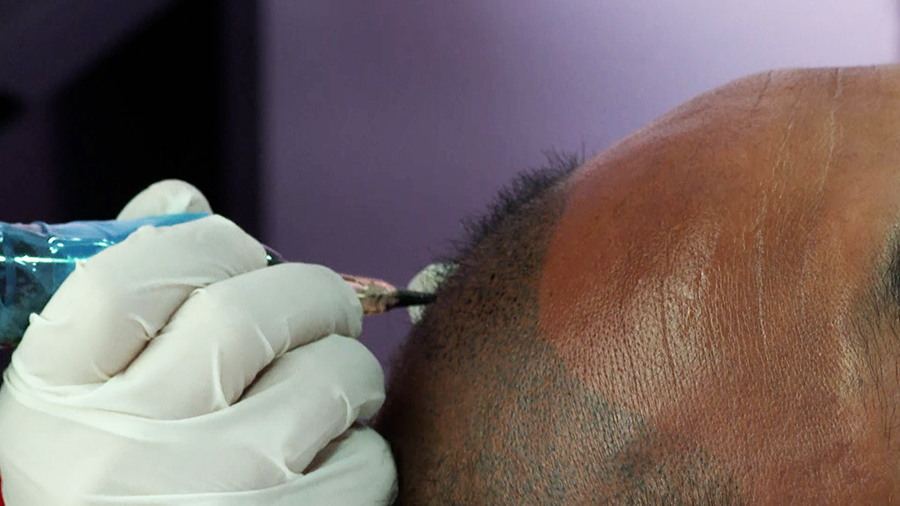
 Four months after introducing scalp micropigmentation or SMP, a beauty spa in Thimphu is drawing growing attention. It has become a popular destination for people experiencing hair loss. SMP is a cosmetic treatment that uses tiny dots on the scalp to make hair look fuller or cover bald areas.
It is sometimes also called a hair tattoo. Thin, small needles are used to deposit tiny dots of pigment on the scalp. These dots give the appearance of thicker hair.
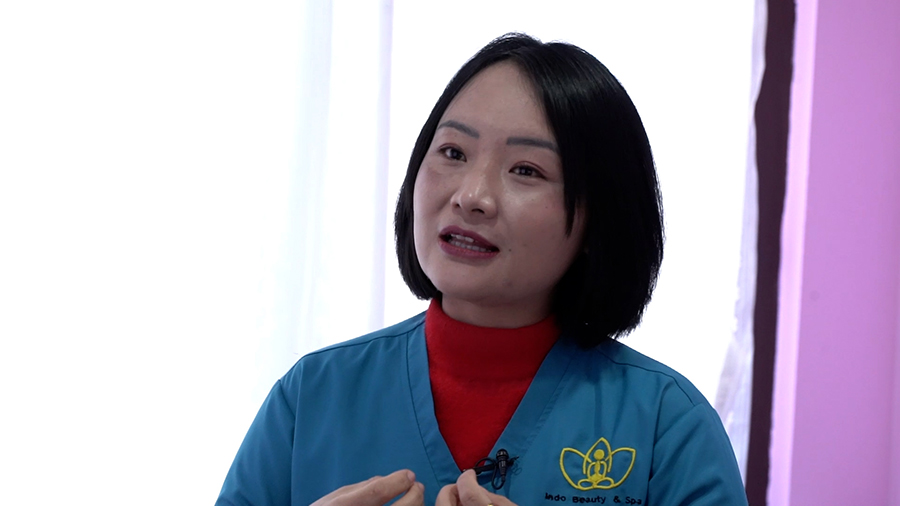
Ugyen Wangmo is the woman behind the service. She said she was trained in Bangkok. She added that people must undergo three session, with each session two weeks apart. The cost depends on the extent of hair loss.
“SMP is believed to offer two benefits. Firstly, it can create the appearance of fuller hair by covering areas of hair loss. Secondly, there will be natural hair growth.”
The claim that pigmentation promotes hair growth has drawn many people to her spa. She says she has treated more than hundred clients so far.
Jigme, a client said, “After watching on social media, I saw they were showing the result of hair growth after the pigmentation. Therefore, I visited her. In the past, I used different types of cosmetics, however that did not give me a good result. After two weeks, I feel there is a little bit of hair growth on my head.”
Another client said, “I came to know through TikTok and I am visiting here today. This is my first time. The results are posted on TikTok. And on TikTok I found that people who came here are saying that the hair is growing.”
But science says otherwise.
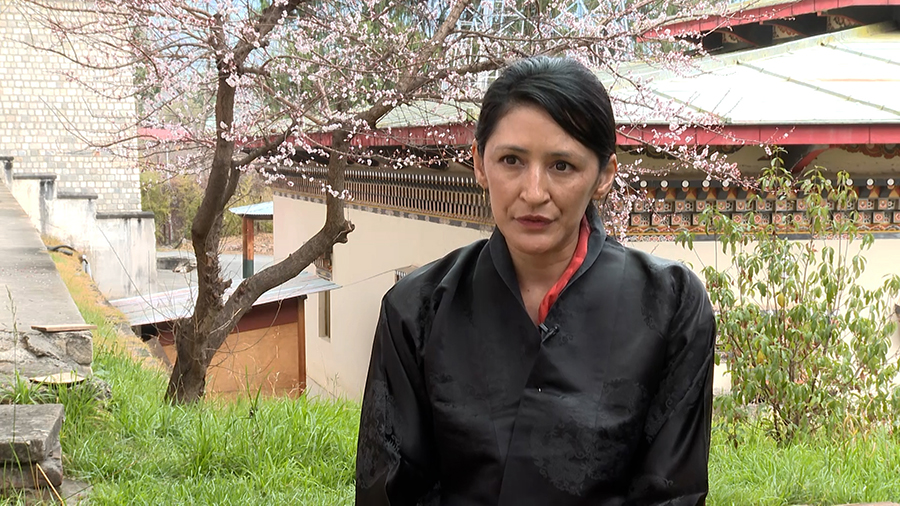
Dr Ambika Pradhan, Dermatologist at JDWNRH said, “Scalp micro pigmentation is a camouflage treatment. So basically it’s like giving a tattoo, but a little different from tattoo. We need to understand that when we do SMP, the hair is not going to regrow. You are just giving an appearance of having hair.”
And there are health risks if the procedure is not done properly. Doctors say people should consult a dermatologist before deciding to undergo the process. She added that the people with infections, psoriasis, diabetes or other medical conditions may not be suitable for the procedure.
The health ministry said the service is not authorised and has not been technically cleared in Bhutan. Currently, there are no guidelines regulating these services. Action will be taken if such services are found operating during inspections.
But Ugyen said semi-permanent makeup procedures are already carried out across the country, and SMP also falls under this category. Semi-permanent makeup is a cosmetic procedure in which pigment is placed into the upper layers of the skin to create the appearance of makeup, such as fuller eyebrows, eyeliner or lip colour.
She also follows strict hygiene and safety measures before carrying out the procedure. She uses sterile single-use needles, wears gloves, disinfects equipment, and carefully checks the client’s scalp for any cuts, infection or irritation.
For now, while the debate on its efficacy and legality continues, the service has helped people build confidence and revert a process often considered natural.
Karma Wangdi