
Nearly 560 students have benefited from the ESP education loan scheme as of last month. Half of them are pursuing nursing courses, reflecting a growing interest in the healthcare sector. The government initiated the ESP education loan scheme to encourage students to pursue an undergraduate degree or TVET courses in Bhutan and India.
The students are enrolled across 47 colleges and institutes, 15 in Bhutan and 32 in India.
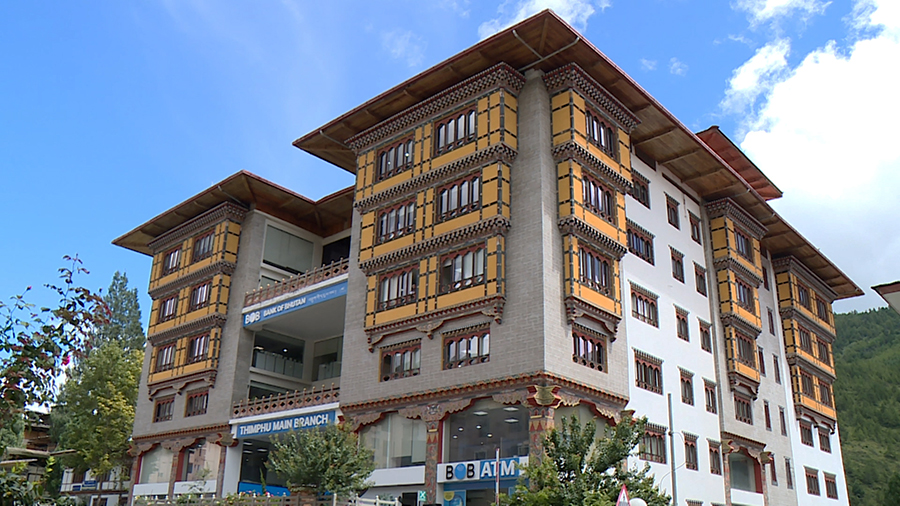 The loan can be accessed through the Bank of Bhutan for students under 25.
On average, each student has taken a loan of about Nu 800,000 with an interest rate of 4 per cent per annum.
During the recent Meet the Press session, the Ministry of Industry, Commerce and Employment said that enrolling students in-country will help strengthen higher education institutions in the country by supporting the development of quality programmes and facilities.
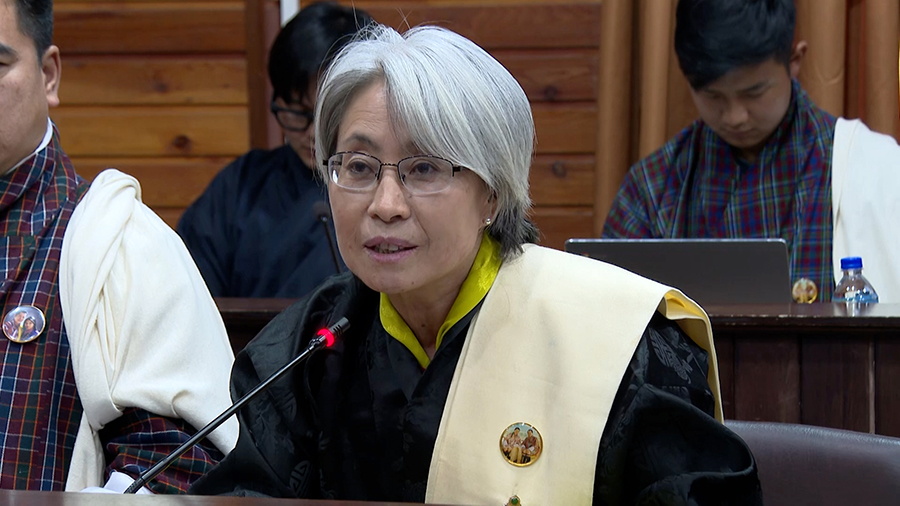
MoICE Secretary Tashi Wangmo said,“ This loan is based on merit, combined with a family income ceiling of Nu 500,000 per year, ensuring that support reaches actual students from genuinely low-income households. Secondly, the scheme is not restricted to one child per family, but rather if two or even three children from the same low-income household qualify on merit, but lack financial means.”
The government allocated Nu 600 M for the ESP Education Loan Scheme.
Students who have completed Class 12 and wish to pursue full-time courses can open a loan account in their name, provided they have a guarantor who can be either their parents, relatives or guardians.
The secretary said, “The biggest barrier preventing capable young people from pursuing higher education or training abroad was not necessarily merit, but access to finance. To address this issue more structurally, the government launched the Education and Training Loan Scheme under the ESP in June 2025.”
The Secretary added that the government has carefully designed the public financing scheme to avoid accelerating the ongoing out-migration of Bhutanese youth to Australia.
“During the design of this programme, it became clear that students seeking education in destination countries like Australia already have considerable access to financing through banks and private financial institutions, often facilitated by education consultancies.”
Additionally, students will have to begin repaying the loans after completing their course, with a one-year grace period. However, in cases of non-completion, withdrawal, or discontinuation of studies, repayment must begin immediately after notifying the Bank.
Kinzang Lhadon