 Climate change and erratic rainfall are drying up irrigation and drinking water sources around the world. The story is no different here at home. Some farmers have been reeling every year with poor harvests. But, a new solution is beginning to change that.
Earlier years, some farmers used to remain idle during this period of vegetable cultivation due to a shortage of irrigation water supply. However, since they started receiving irrigation water on time this year, farmers are now able to begin their vegetable cultivation work as scheduled. Residents say that some farmers even work from early morning until late evening in their fields these days.
83 year old Sangay Zangmo from Bhalue in Punakha is busy removing weeds from her field where chilli is grown.
In the past, Sangay would not complete chili plantation even at this time due to a shortage of irrigation water. But this year, she is able to complete the plantation earlier and has now even finished the first round of weeding.
Sangay Zangmo from Bhalue, Chhubu Gewog said, “The water now comes directly to our field during the daytime. With this reliable water supply, the chili plants are growing well, and I can carry out the weeding properly. I also have to send food along with Nu 150 to my granddaughter at school once a week. That is why I am working.”
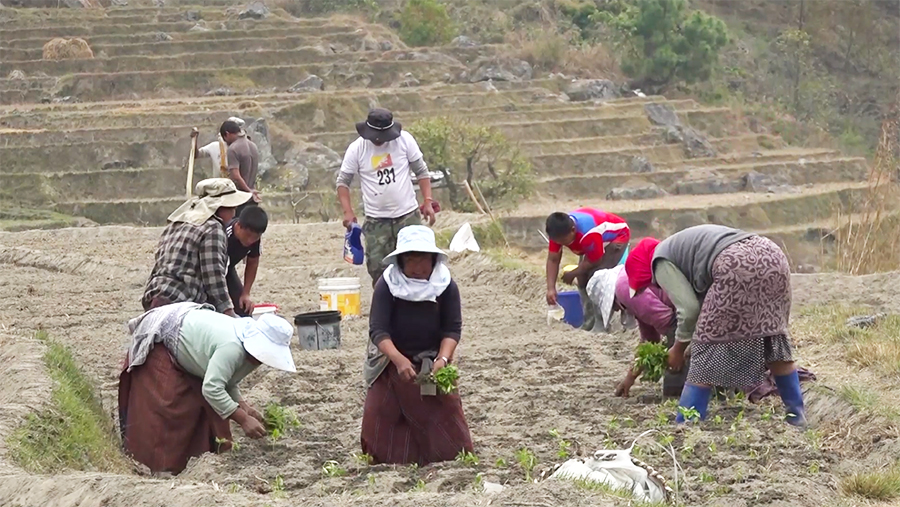 Like her, most farmers can be seen busy in their chilli fields today. Their smiles say it all. They no longer face water shortages.
Earlier, they used to fetch irrigation water from nearby available sources, which declined every year. They had to rely mostly on rainwater.
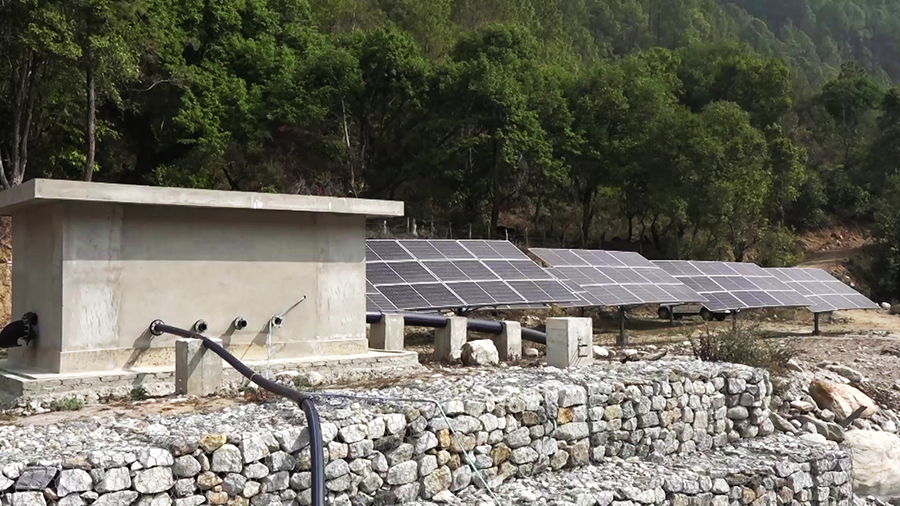
But this has changed everything. A Nu 10 M Solar Lift Irrigation System. It uses solar power to pump water from rivers to farms, without relying on electricity or fuel.
The water is pumped from Mochhu. The Bhutan Trust Fund for Environmental Conservation and the government constructed the system. And farmers have been benefiting from it since January.
Bhalue Tshogpa Phuba said, “Farmers who used to cultivate vegetables on only one plot of land have now expanded their cultivation to two or three plots. Our people have gained great inspiration and are now giving more priority to agricultural work.”
Damchoe from Bhalue said, “The work is going well. It has become much more convenient to carry out different kinds of agricultural activities now that we have a sufficient irrigation water supply. Last year, I could not plant chili saplings on more than four terraces of my land. However, this time I have planted chili saplings and other vegetables on more than one acre of land.”
Likewise, Kinley Pem said, “Earlier, we had to stay idle during sunny days due to the lack of irrigation water supply. However, this time we are working hard under the sun, as the irrigation water flows abundantly during sunny days. I have even completed planting my chili saplings. We would like to thank the government for providing us the irrigation water supply support.”
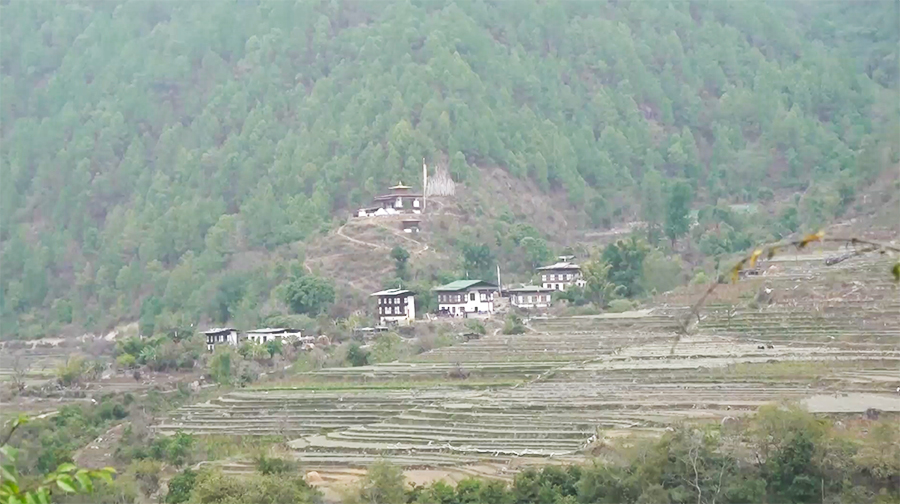 The new system is benefiting more than thirty households to water about 80 acres of agricultural land.
As Bhutan strengthens its climate resilience, this technology is helping turn those aspirations into reality for its people and the nation.
Changa Dorji, Punakha