
 Female youths and residents in urban areas continue to face greater challenges in finding jobs. This is according to the National Statistics Bureau’s fourth quarter Labour Force Survey report for 2025. It shows that the female youth unemployment rate stands significantly higher at around 26 per cent, compared to roughly 15 per cent for males.
The report reveals that key reasons for unemployment include a lack of adequate qualifications and experience, being a fresh graduate, and mismatches between qualifications and available jobs. These challenges affect both genders in the labour market.
The youth unemployment rate is notably higher in urban areas at 27.1 per cent, compared to 16 per cent in rural Bhutan.
The overall unemployment rate has also increased to 3.8 in the fourth quarter, up from 3.2 in the third quarter.
Out of the total working-age population, 64.6 per cent are economically active.
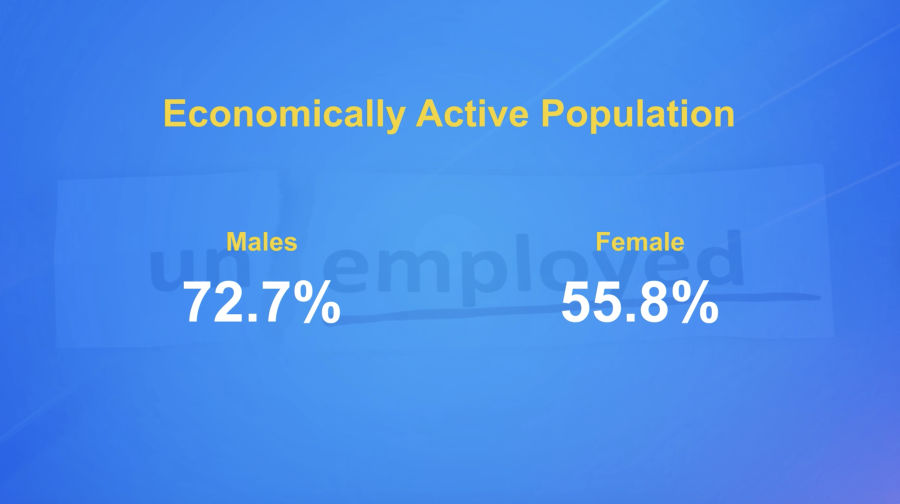
While 72.7 per cent of working-age males are economically active, the figure for females is significantly lower at 55.8 per cent.
The agriculture sector continues to dominate employment, accounting for 46.3 per cent, followed by the services sector at 40.9 per cent, and the industry sector at 12.7 per cent.
Overall, rural areas make up a larger share of the workforce, with 66.6 per cent engaged in economic activities, while urban areas account for 33.4 per cent.
The survey was conducted across 19 districts in November last year, covering nearly 3,000 households.
Deki Lhazom
Edited by Kipchu