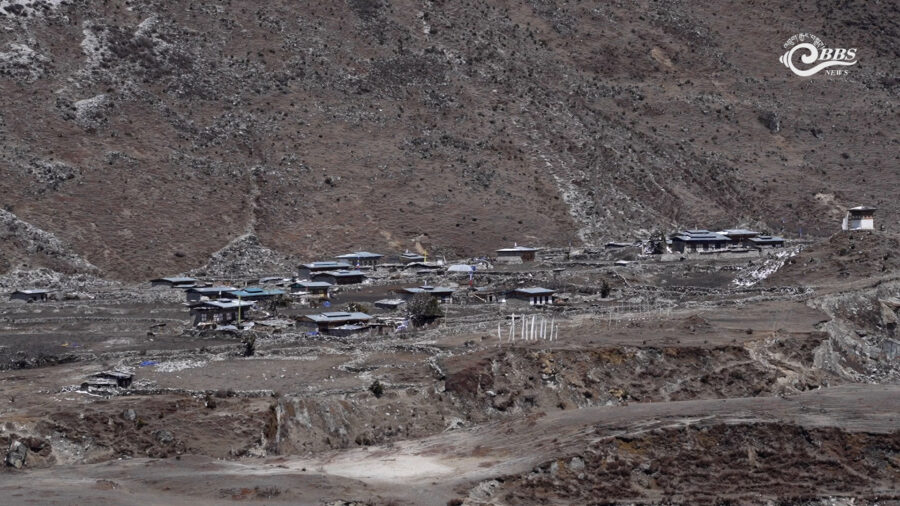
 Nestled in the far north of Bhutan, Lunana is known for its remote landscape and rapidly receding glaciers. But beyond these visible changes, another transformation is quietly unfolding. Over the years, traditional gender roles have gradually begun to shift, with more men now sharing household and farm work that was once largely done by women. The change is gradual, but for families here, it is making everyday life a little easier.
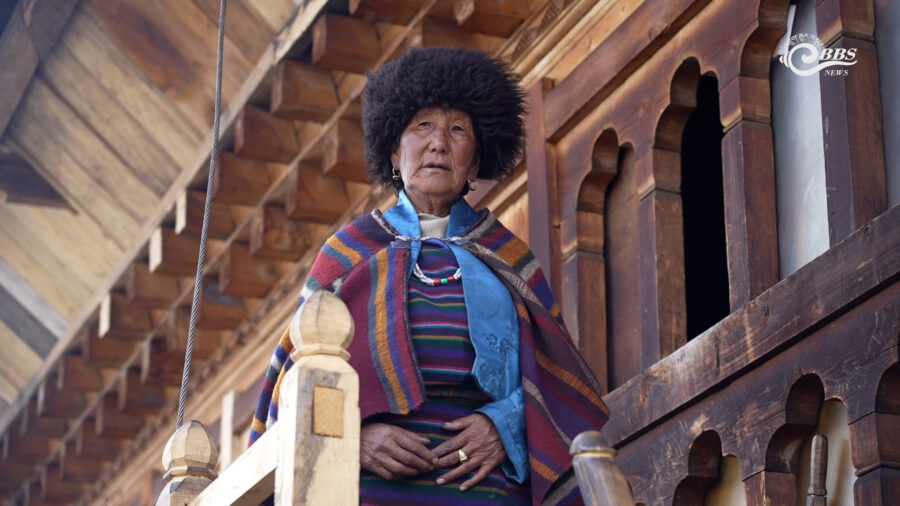
For Dorji Wangmo, one of the senior citizens of the community, the change is something she has witnessed over decades.
She remembers a time when most of the household and farm work fell on women.
She said, “Women did all the chores, while men did not have much work except during sowing. Even then, women had to dig alongside men after the fields were ploughed. When we went to buy rations, women had to carry the loads too. After returning to the village, men did not help much. From sowing the grains until the food reached the plate, women did almost all the work.”
For Dorji, the difference is visible today, a change she has seen unfold before her eyes.
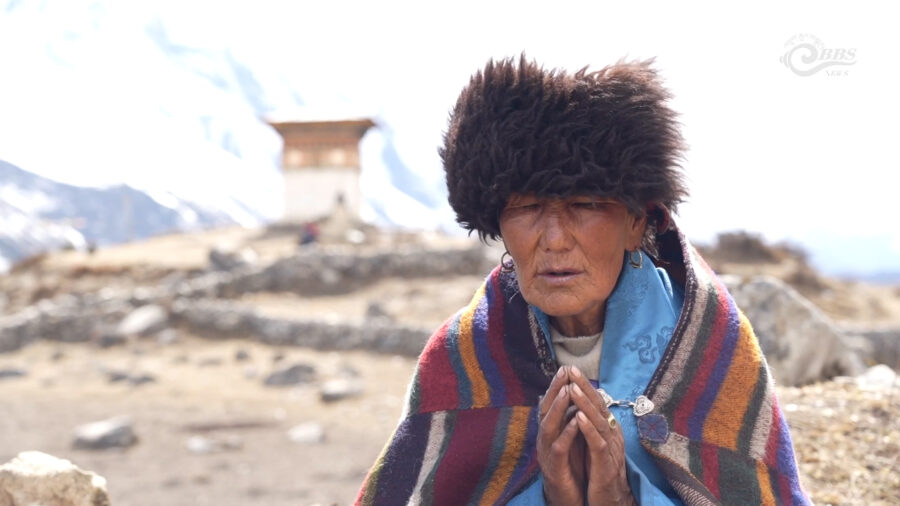 “Our parents suffered and died living this way. I am almost 70 now, and I have experienced it myself. But the younger generation has it a little differently. With horses, even men help with chores such as carrying manure to the fields. It is better for women now.”
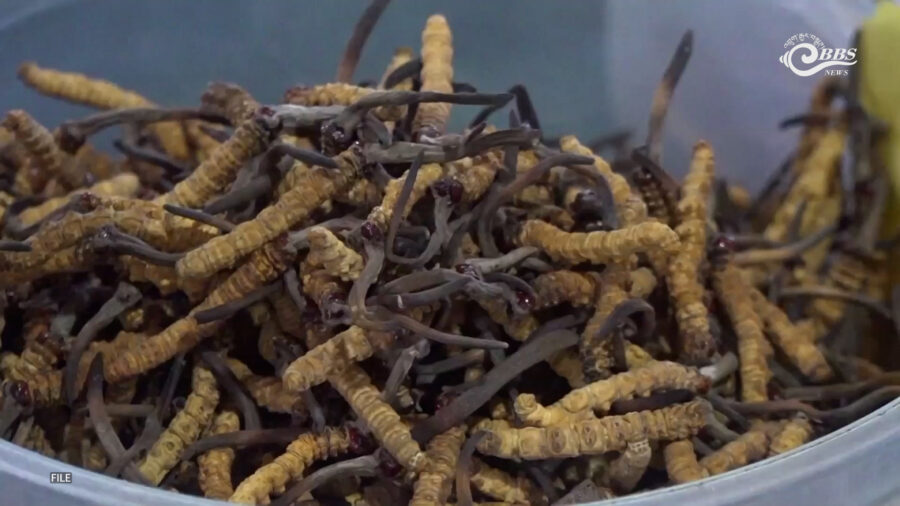 Many residents attribute this change to the legalisation of cordyceps harvesting in 2004 under the Royal Command of His Majesty the Fourth Druk Gyalpo.
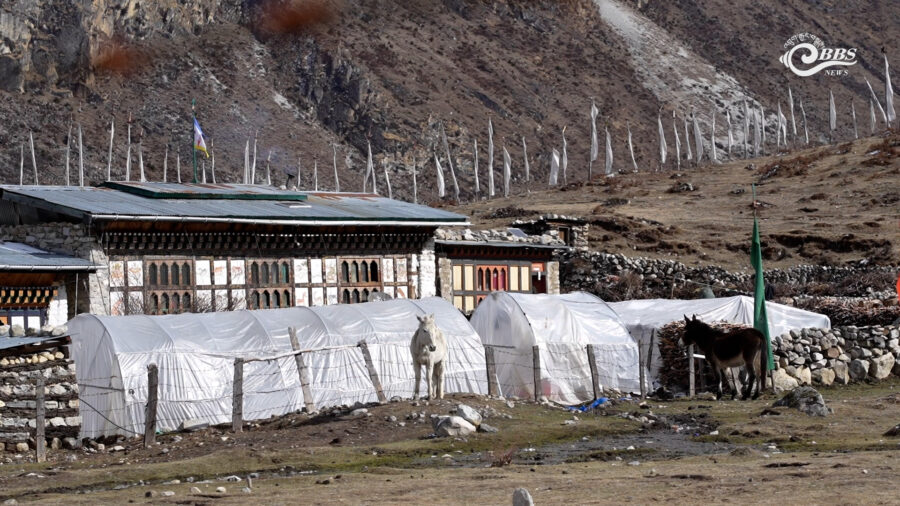 They say changes began to unfold after they were able to afford horses with income they earned from the cordyceps.
“In the past, we did not own horses and only had yaks. So, most of the chores were the responsibility of women. They collected firewood and did the harvesting, while men mainly ploughed the fields. After cordyceps harvesting was legalised, we had a source of income and could afford to buy horses. Now, men also do much of the work,” said Namgay Dorji, a resident of Thangza-Toenchoe.
Another resident Lhakpa Tshering said, “In the past, we did not own horses, so women had to do all the chores, including collecting firewood. Now, horses can carry manure, and during the cultivation season, both men and women work together.”
A 2022 report by UNDP Bhutan also found that women’s lives had changed with the income generated from cordyceps.
According to the report, the domestic burden on women eased, while the gender gap narrowed as the community benefited from the prized fungus.
“In the past, life was difficult for women. They had all the chores, and there were also problems when men drank. Now, it is better for women. Things have become more equal after cordyceps harvesting was legalised,” said Phurpa Dema, also a resident.
But it is not only about horses. Better incomes have also meant access to facilities and resources that have made everyday life easier.
Before they became common, women had to collect manure, prepare fields, gather firewood and manage household responsibilities often without the tools or means to make the work easier.
Thangza-Toenchoe Tshogpa Nima Dorji said, “We did not have a bukhari, wood-burning stove in the past, and collecting firewood for cooking and fodder for cattle was difficult, especially for women. Without horses, women did almost all the chores. Now, men also share some of the work that was traditionally done by women.”
The income from cordyceps also gave women greater economic independence.
 And since the introduction of helicopter services in 2015, access to food supplies and other essentials has become easier, with flights connecting Lunana to Punakha and Thimphu in around 30 minutes.
In this remote community, the shift may be gradual, but for the women who have lived through both periods, it is a change they can feel every day.
Devika Pradhan
Edited by Sonam Wangdi