
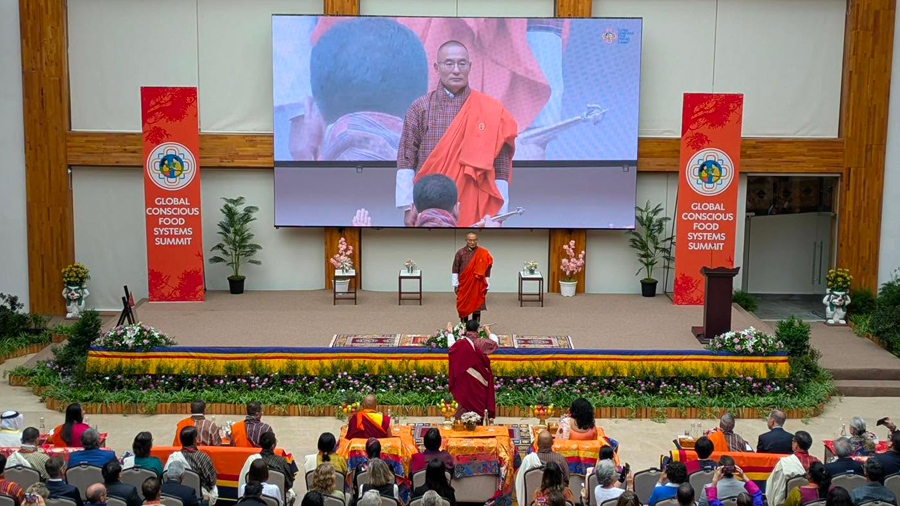
 The global food system is facing mounting pressure from climate change and environmental degradation to hunger and changing patterns of consumption. In an effort to find solutions, more than 400 people from 60 countries gathered in Paro today for the first Global Conscious Food Systems Summit. Conscious food systems is an emerging global movement seeking to rethink not only how food is produced, but also how it is consumed, valued and connected to human wellbeing.
The strengthening El Niño, a natural weather pattern, could bring extreme weather to many parts of the world. Experts say it is likely to strengthen over the rest of 2026.
And it is adding pressure to the global food system, threatening droughts, erratic rainfall and crop losses.
Something needs to be done. This international meeting is seeking answers by rethinking how food is produced, consumed and valued, and its links to health, culture and nature.
Climate change disrupts agriculture, and changing consumption patterns put further pressure on natural resources.
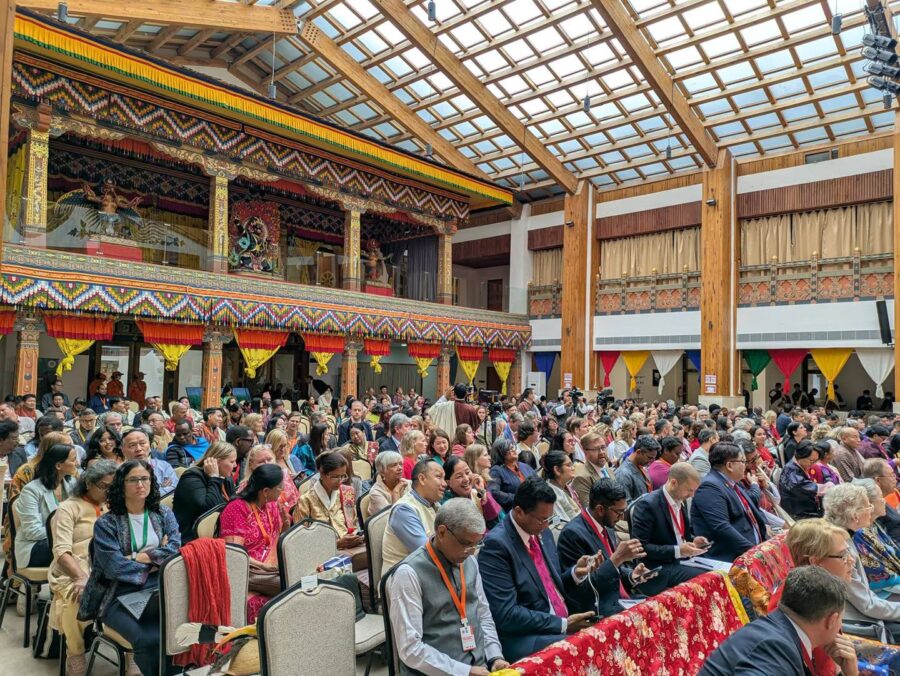 The opening day focused on the role of consciousness and inner change in responding to what participants described as a wider global polycrisis.
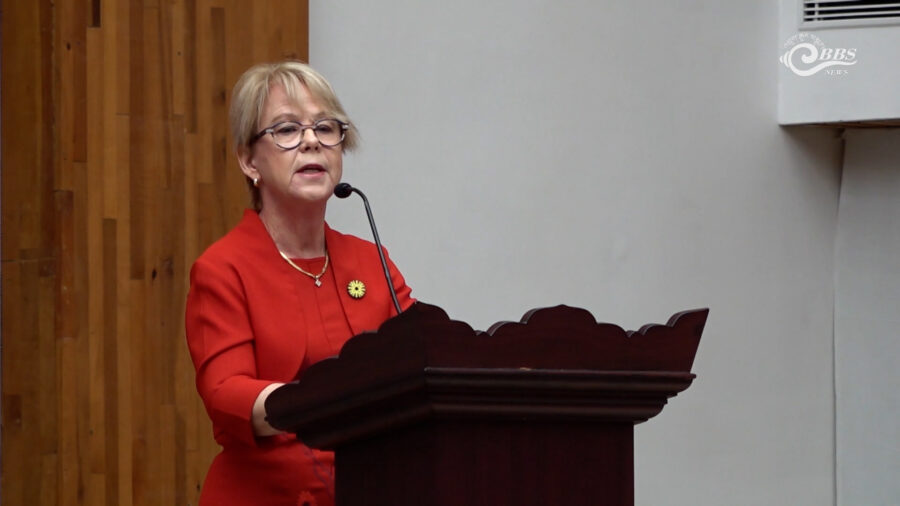
“When people, nature and policies work together, change is possible,” said Beate Trankmann, UNDP Deputy Regional Director for Asia-Pacific. “UNDP stands ready to strengthen the framework that you are all creating, to turn values into action and consciousness into change. With policies, investments and partnerships for food systems that feed everyone without costing us the earth.”
The discussion also brought attention to the individual side of food systems. Participants were introduced to conscious eating through a guided mindful-eating practice, encouraging greater awareness of the relationship between food, the body and the choices people make.
The day’s high-level discussions also turned to how leadership and collective action could translate these ideas into systemic change.
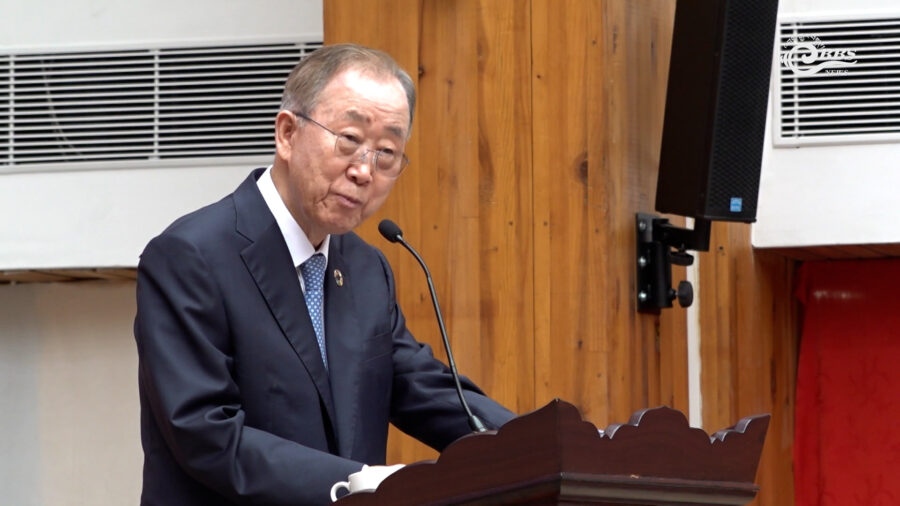
Ban Ki-moon, the 8th UN Secretary-General, said, “Food security has become inseparable from climate security. This new reality demands that we fundamentally rethink how food is produced, distributed, consumed and valued, especially with the United Nations warning that more than 49 million people may face acute hunger by the end of the year. Bhutan is prepared to be one of the places where some of these ideas are tested.”
For Bhutan, the summit is also an opportunity to explore whether these ideas can be tested in practice.

Prime Minister Tshering Tobgay said Bhutan is prepared to serve as a place where approaches to conscious food systems can be tried, measured and shared.
“If we test honestly, if we measure carefully, if we learn openly and if we share generously, this summit can become more than just a gathering. It can become a community of practice, a place where ideas move to action and where action produces knowledge that others can use.”
Over the next three days, participants will discuss sustainable food production, indigenous knowledge, farmer wellbeing, nutrition, and the link between consumers and markets.
Karma Samten Wangda, Paro
Edited by Tandin Phuntsho