
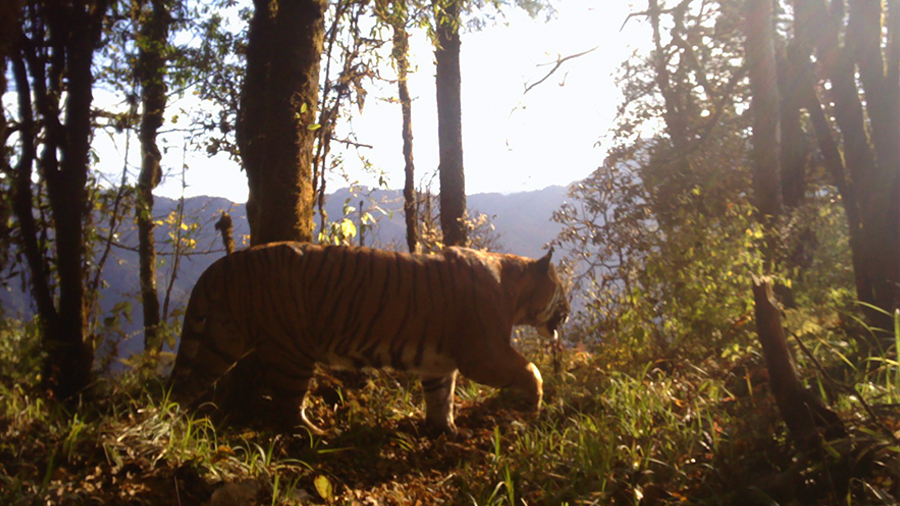
 Nubi in Trongsa is one of the country’s major human-tiger conflict hotspots. As the area lies within the migratory paths and biological corridors connecting two national parks, residents frequently lose their livestock to tiger depredation. To encourage human-tiger coexistence, three new community projects were launched yesterday coinciding with Global Tiger Day.
Nubi Gewog sits directly within the biological corridor connecting the Wangchuck Centennial Park and Jigme Singye Wangchuck National Park. Tigers use these corridors to move between the two protected areas, bringing them into close contact with nearby communities. Between 2020 and 2024, the community reported 360 cases of livestock killed by tigers.
Trongsa and Bumthang together have 21 tigers, with the majority of big cats in Nubi Gewog.
The pilot initiatives are expected to reduce such incidents.
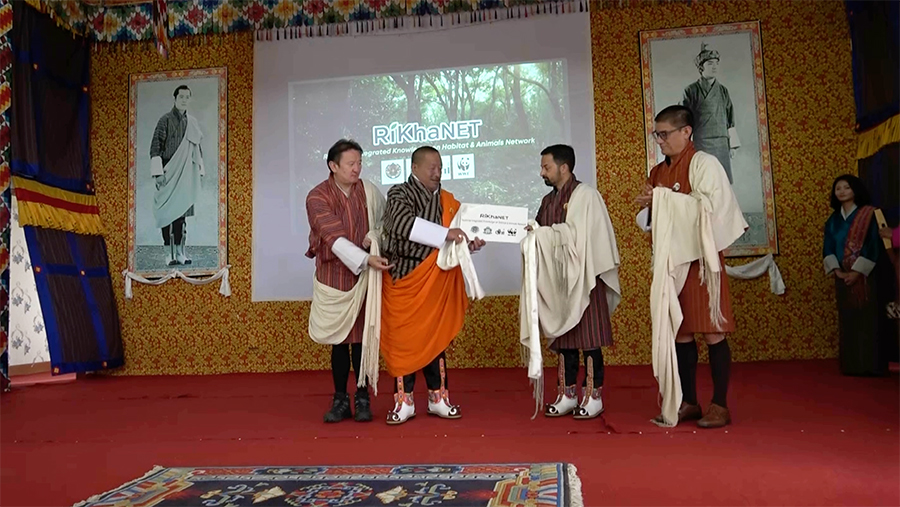 RiKhaNET, one of the pilot initiatives, is expected to help forest officials and communities prevent human-tiger encounters before they occur.
The system uses artificial intelligence, field sensors and existing ecological data to predict conflict hotspots and issue early warnings.
 Another project is the Tiger Impact Certificate, a results-based mechanism that rewards communities for verified conservation outcomes such as protecting tigers and support maintain tiger population.
A certification framework is being developed. Once a community earns the certificate, it can be sold to donor partners and the money will be used to fund community development projects and local conservation efforts.
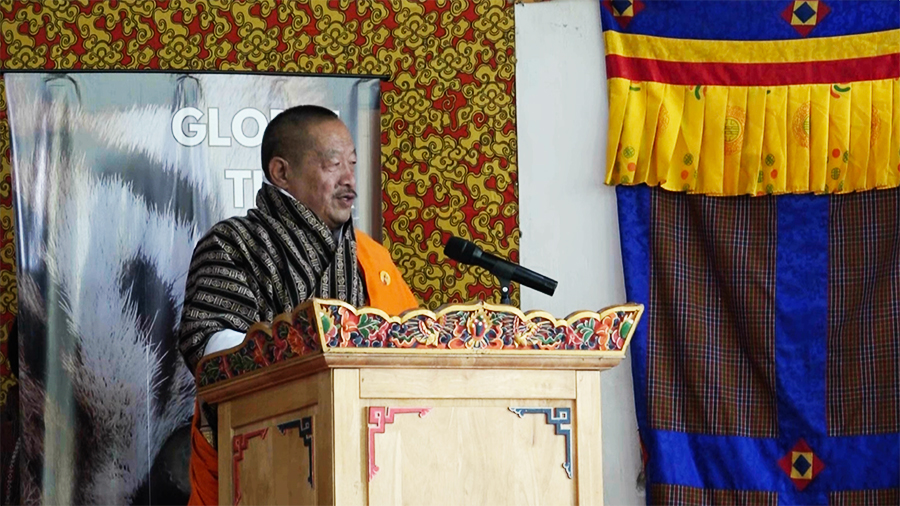 Energy and Natural Resources Minister Gem Tshering said, “In many places, people wish they had tigers, but they don’t have them. In the future, places where tigers still exist could become destinations for tourists. Just as people travel to visit sacred sites, many visitors may come to see tigers once they know they can be found here.”
 The third initiative is a partnership between WWF-Bhutan and Yangphel Adventure Travels to revive a 90-kilometre ancient trail through 14 villages in Nubi.
The project aims to promote nature-based tourism that creates income for local communities while encouraging protection of forests and wildlife.
According to WWF-Bhutan, the initiatives are designed not only to reduce human-tiger conflict but also to position biodiversity conservation as a driver of local economic development.
WWF-BHUTAN Country Director Chimi Rinzin said, “It’s important not to see tigers only as a problem. If we protect them, they can become one of the country’s greatest assets. As the Dzongda mentioned, these projects have started in Nubi Gewog, but they will eventually be expanded to other gewogs so that more communities can benefit.”
According to the National Tiger Survey 2021-2022, Bhutan is home to 131 tigers, up from 103 reported in the 2014-2015 survey report.
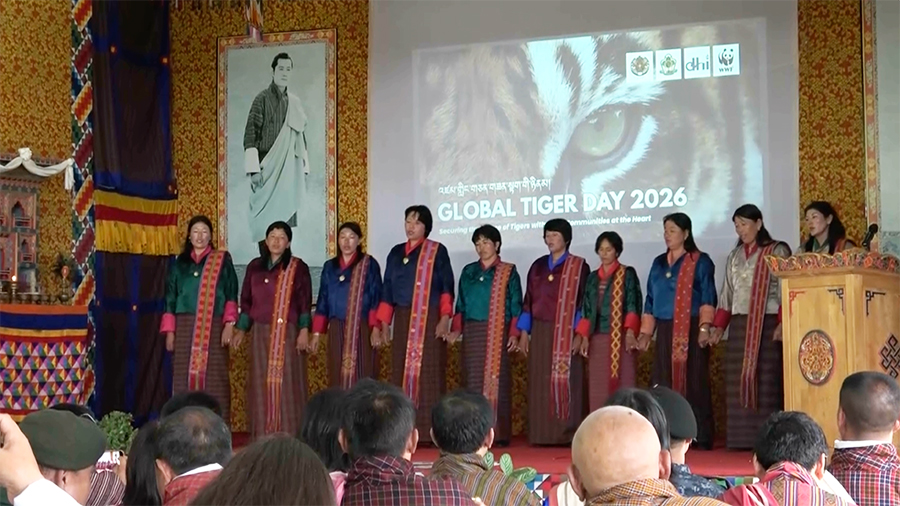 Together, the initiatives are expected to strengthen collaboration among stakeholders and provide practical solutions that support long-term human-tiger coexistence.
Thinley Dorji, Bumthang
Edited by Phub Gyem