
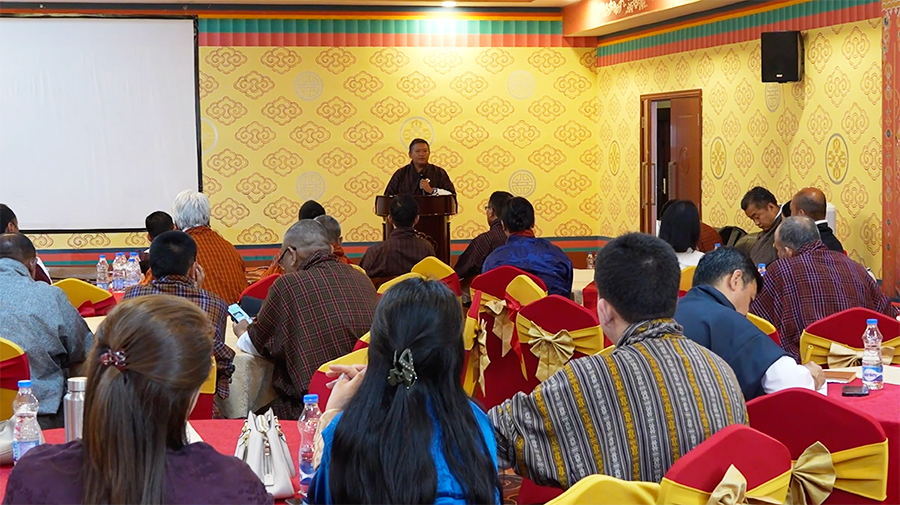
 Hotel and restaurant owners called for greater clarity and consistency in policies affecting the hospitality sector. Hoteliers raised concerns over issues ranging from hotel classification, assessment, and certification, among others, during a Special Annual General Meeting of the Hotel and Restaurant Association of Bhutan (HRAB). The meeting brought together over 60 hotel owners and general managers.
One of the major concerns for hoteliers is whether the existing requirements are practical for all hotels, given the differences in location, property design, and tourist flow.
For instance, hoteliers in Bumthang are finding it difficult to meet the tourism department’s requirement to maintain a certain number of permanent staff, as the district receives tourists on a seasonal basis. Hotel Classification System for Bhutan 2024 mandates a minimum of seven up to 10 permanent staff for every 10 rooms depending on each hotel’s star ratings.
They said that with lower occupancy and revenue during the off-season, retaining permanent staff and paying their salaries becomes a challenge.
Some hotels have instead been hiring and training local workers temporarily. However, hoteliers said these workers are not recognised under the Department of Tourism’s requirement.

“In a year, six months are considered the off-season, while tourists come mainly during the other six months. It is basically seasonal. However, the government’s and the Department of Tourism’s requirement to maintain permanent staff is challenging for us, as we face financial constraints and have no means to pay them. Some hotels even close during the off-season and allow their staff to return home. Therefore, I would be grateful if the department allows some flexibility with the hotel classification requirements,” said Ugyen Dorji, a hotel owner in Thimphu.
Hoteliers also questioned whether traditional Bhutanese designs are being adequately considered during hotel assessments. They add some properties, particularly the old ones, may not fit the standard requirements because of their architectural features.
Moreover, they called for greater consistency in assessments, saying hotel classification should be based on clear and standardised criteria rather than differing interpretations by individual assessors.
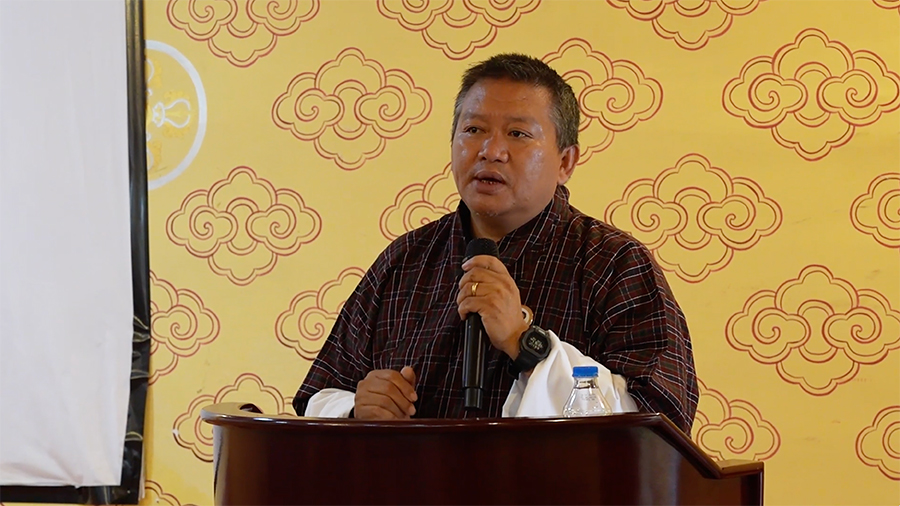
“The implementation of any new policy always brings challenges at first. Over the past 10 years, the Department of Tourism has changed the assessment policy three times. HRAB was indeed consulted, but implementation has created challenges and inconveniences. We are now working towards improving it,” said Ugyen Tenzin, the HRAB’s chairman.
“The new assessment requires us to spend money in several areas. Given the situation we are already in, where business is not doing well, this only adds to our difficulties. We are being asked to renovate and upgrade our hotels for the assessment, but many of us are facing financial challenges,” said Lily Wangchuk, the founder and president of 33 Soksoom Centre for Well-being & Happiness.
They also pointed out that hotels have their own trained internal assessors, but their assessments are not taken into account during the classification process.
According to officials from the Department of Tourism, the 2024 Hotel Classification Guidelines were revised in consultation with the HRAB, considering their feedback.
Officials also said there is scope to address some of the issues after the certification process. They said the issues can be reviewed once the certification committee completes its work. A feedback mechanism will also be developed to allow hoteliers to provide input and facilitate future improvements.
The classification system is intended to ensure that hotels meet minimum requirements for infrastructure, facilities, service quality, hygiene, safety, and staffing.
Sonam Yuden & Kelzang Chhophyel
Edited by Phub Gyem