 With determination, the right support and equal opportunities, disability does not have to limit a person’s potential. In Wangdue Phodrang, two women living with disabilities are proving just that. By running their own businesses, they are earning a living, gaining confidence, and showing that independence is possible when barriers are removed.
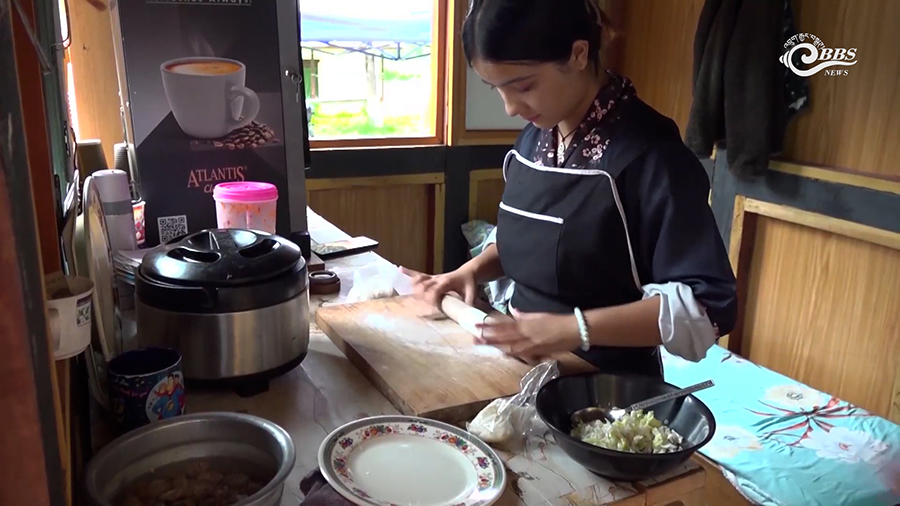
21-year-old Sumitra Acharya was born with hearing and speech impairments. After completing class 10 at the Wangsel Institute for the Deaf in Paro, she received three-month government-supported bakery training in Thimphu.
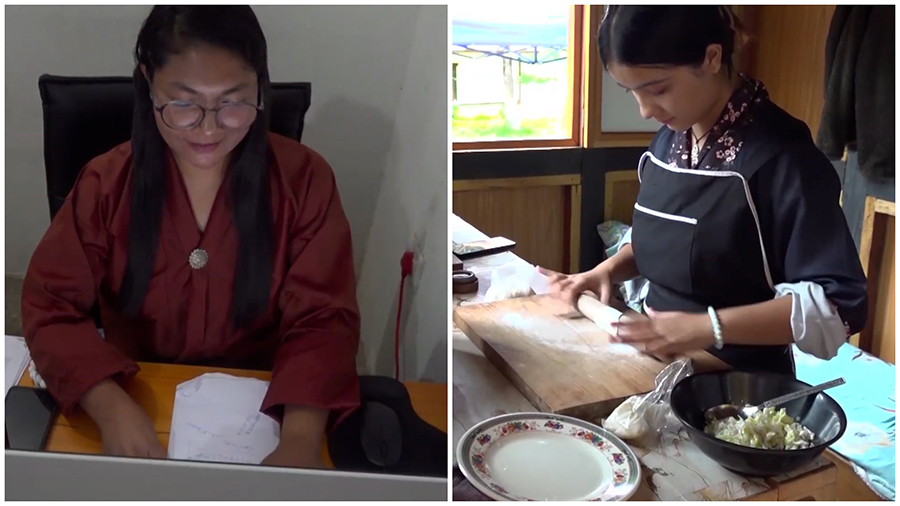
Drawing on the tailoring and baking skills she learned, Sumitra, with the support of her parents, opened a small coffee shop in Bajo about a year ago.
Every morning, her father drops her at the shop, where she prepares momos, coffee and other snacks for customers. Her business now provides her with a steady source of income.
Although she cannot speak, Sumitra communicates with customers by writing, while her mother assists her during busy hours.
“I am happy with my business with a good customer turnout. The income is equally good. I even started saving. I do not regret not being able to speak and hear; I can communicate with my customers through writing. My parents have always supported me.”
Her current shop is too small to operate a bakery and her family hopes to find a larger space so she can expand her business.
“We are supporting our daughter with her work so she can stand on her feet. We may not be always there to help her. So, we want her to become independent and secure her future,” said Ganga Bahadur Archarya, Sumitra’s Father.
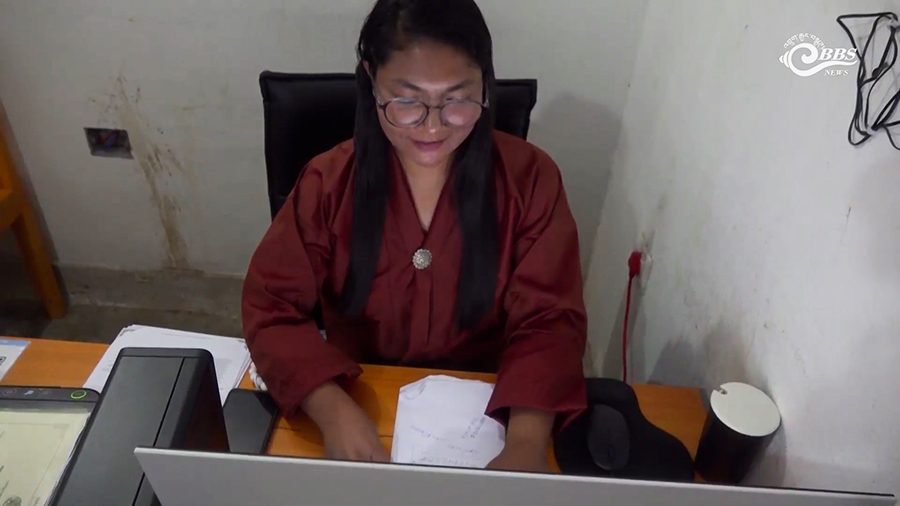
Like Sumitra, 31-year-old Mumta Biswa has also built a livelihood through entrepreneurship. Living with paralysis on the right side of her body since childhood, Mumta completed class 12 before joining government-supported training programme that helped her develop business skills.
Today, she runs “One Stop Service and Information Centre” in Bajo, providing online services to the public. Working with her left hand, she earns between Nu 10,000 and 20,000 a month, depending on the season.
“It depends on the individual. If one is willing, what’s the problem with working? Likewise, I have worked with one hand since childhood, so I am comfortable doing my job. I can focus on my work and earn enough to support myself.”
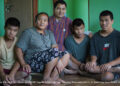
As the eldest sibling, Mumta also helps support her parents and her young brother, who is also living with a disability.
Both Sumitra and Mumta received assistance to establish their businesses from a private company called ‘Entrepreneur of Chhukha’, while the Bajo municipal office provides them with free business space.
Their journey shows that with skills, support and equal opportunities, people living with disabilities can build independent lives and contribute meaningfully to their communities.
Changa Dorji, Wangdue Phodrang
Edited by Sonam Pem