
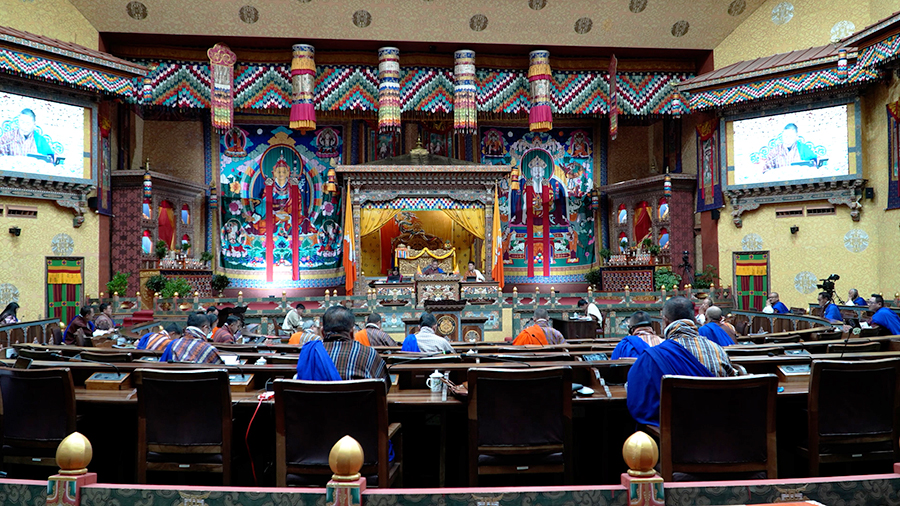
 The National Assembly has unanimously adopted a motion calling for stronger child protection measures, tougher laws against sexual offences involving children and greater accountability to ensure justice for child survivors of abuse.
The motion was put forward by the National Assembly’s Women, Children and Youth Committee amid growing concerns over sexual offences and violence against children.
Police recorded 59 cases of rape involving children above 12 years last year, along with 35 cases of child molestation and eight cases of statutory rape.
Between 2022 and 2025, police recorded 550 sexual offence cases nationwide, with cases increasing each year.
The PEMA Secretariat also recorded 661 cases of violence against children between June 2023 and September this year. More than 67 per cent of these cases involved sexual violence.
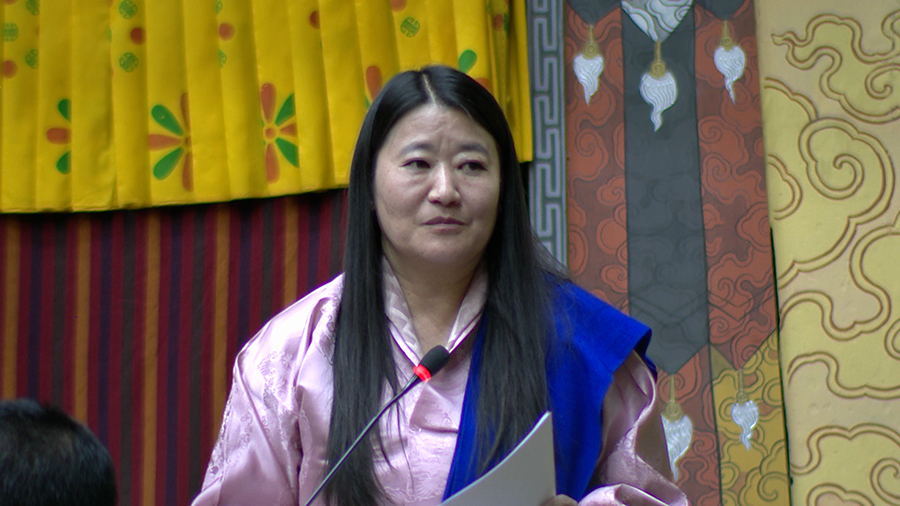 Presenting the motion, Dorji Wangmo, Member of the Women, Children and Youth Committee, said the recent Kabisa case, in which a 12-year-old girl was raped and murdered, had raised serious concerns about the country’s existing child protection systems.
She said people were questioning whether the current safeguards were strong enough, while others were calling for changes to the laws. However, she said, such crimes against children were not new in Bhutan.
The committee recommends better coordination among relevant agencies, stronger investigations, improved forensic and DNA testing, and the establishment of a professional Child Protection Service to monitor children at risk.
It also calls for improved safety for children travelling to and from school, stronger awareness programmes, effective maintenance of the Sex Offender Registry, and timely medical, psychological and legal support for survivors.
The committee further recommends reviewing existing child protection laws, including the Penal Code, to identify legal gaps and strengthen penalties for sexual offences against children.
The review should also cover sentencing, clarity of legal provisions, grooming, compensation for survivors, protection of their identities and child-friendly justice.
Dorji Wangmo urged members of Parliament to take collective action, saying the country had already lost many children to such crimes.
“How many more lives must be lost before we act? Every life, every child, is precious. If we cannot provide them with the best possible protection, then it means we have failed them,” she said.
Meanwhile, Home Minister Lungten Dorji informed the House that the Office of the Attorney General (OAG) has been tasked with reviewing the legal framework.
The review will focus on proportionate sentencing for offenders, care and protection of children, a survivor-centred approach to justice, and stronger coordination between the police and the public.
The OAG has requested four months to complete the review.
According to the Home Minister, the first four weeks will involve a diagnostic study and the establishment of a Law Review Committee to review the Penal Code of Bhutan.
From the fifth to the tenth week, relevant agencies, including the National Commission for Women and Children, the PEMA Secretariat, the Royal Bhutan Police and the Ministry of Home Affairs, will hold consultations and work towards concrete outcomes.
The review findings will be consolidated and finalised between the eleventh and sixteenth weeks. The draft will then be submitted to the Government for consideration between the seventeenth and twentieth weeks.
The National Assembly unanimously adopted the motion and directed the Government to present an Action Taken Report during the next summer session.
Sonam Yuden & Tashi Dekar
Edited by Sonam Pem