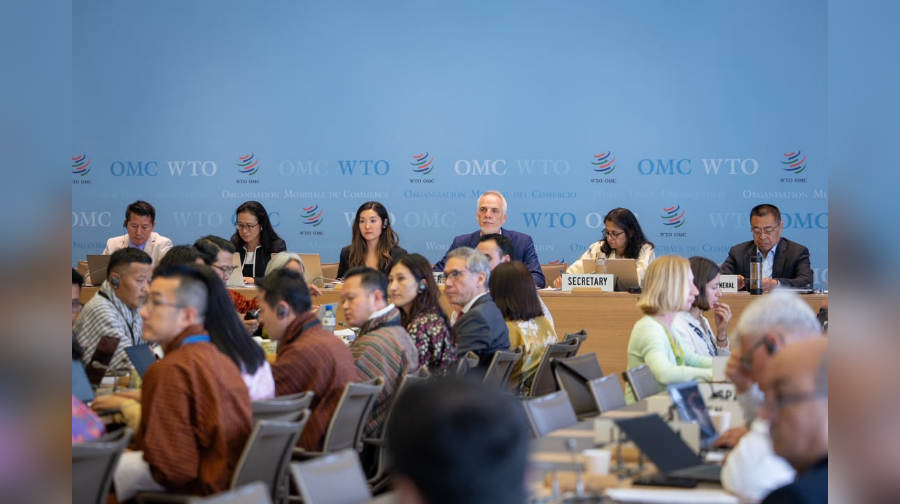
Bhutan is formally back at the negotiating table to join the World Trade Organisation (WTO), 18 years after talks last stalled. Led by the Minister for Industry, Commerce and Employment, the Bhutanese delegation attended the 5th Working Party Meeting on the country’s accession in Geneva, Switzerland, on Thursday. The team comprised the ministry’s secretary, senior representatives of the Gelephu Mindfulness City (GMC), and the Working Party Team from the trade department and other key government agencies.
Speaking to BBS, Minister Namgyal Dorji said, “The successful convening of the Working Party Meeting marks a historic milestone in the country’s accession journey.”
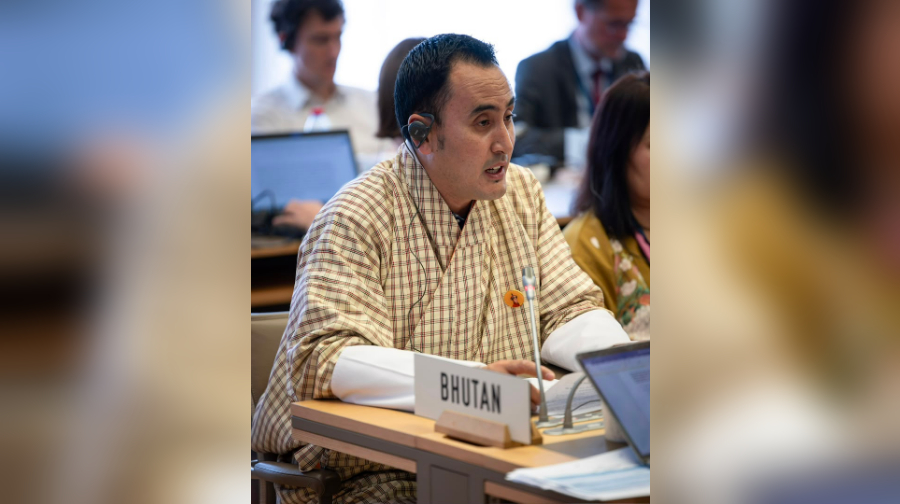
He said the hiatus enabled Bhutan to learn more, strengthen its institutions, and become better prepared for WTO membership.
“Reforms were undertaken during the period, including improvements to the trade and investment environment, modernisation of laws, stronger public institutions, and efforts to diversify the economy,” the minister told WTO members.
Bhutan’s WTO accession journey began in 1999 with the establishment of its Working Party. Four rounds of formal talks were held between 2003 and 2008. Earlier media reports stated that the process has been slow and calculated due to several factors, including the country’s desire to protect its unique economic, cultural, and environmental characteristics while opening up to global trade.
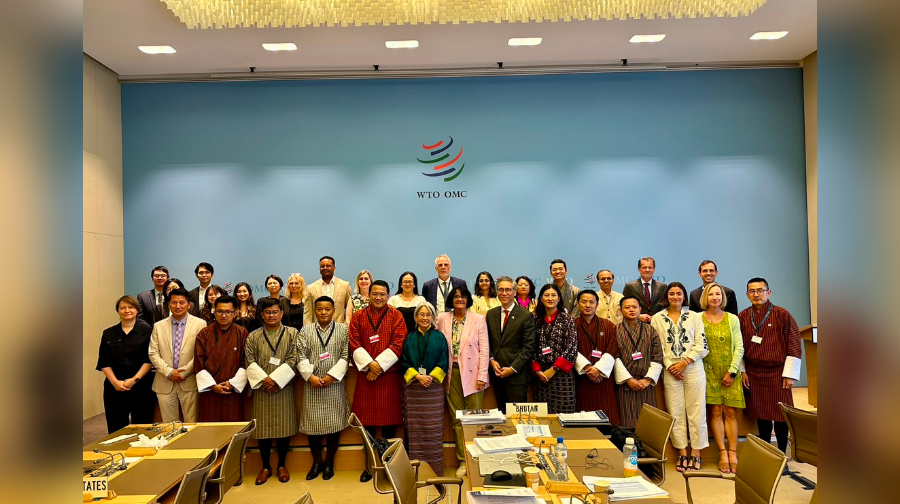
However, the cabinet approved the resumption in June 2025 following extensive national preparations. According to the press release from the Ministry of Industry, Commerce and Employment, 19 accession-related documents covering Bhutan’s trade regime, laws, regulations, institutions and market access commitments were updated, validated and circulated ahead of the meeting.
The Working Party examines whether Bhutan’s trade laws and regulations are compatible with the WTO rules. At the same time, Bhutan negotiates separately with interested countries over trade in goods and services. For goods, the negotiations can determine tariff ceilings that Bhutan would be allowed to impose. Meanwhile, for services, the talks determine which sectors foreign providers may enter and under what conditions.
As per the press release, during the meeting, the minister highlighted Bhutan’s structural challenges as a small, landlocked developing country that recently graduated from the Least Developed Country category. As such, members were asked to ensure their expectations and demands reflect the country’s development needs as the accession negotiations progress.
According to experts, joining the WTO would give Bhutan more predictable access to foreign markets, clearer trade rules, and better trade and investment opportunities. On the other hand, aligning domestic policies with WTO rules, disruption of local industries following international markets’ exposure, and compliance and obligation costs for institutions are some challenges they identify following the move.
According to Minister Namgyal Dorji, the successful resumption of the process marks an important step in the country’s ongoing economic development.
“Bhutan remains committed to pursuing an accession outcome that is balanced, practical, and supportive of long-term development by fostering a more open, transparent and predictable business environment, strengthening confidence among investors and trading partners, promoting private sector growth, and creating greater opportunities for economic growth, trade, and employment.”
The government’s roadmap targets WTO membership by the end of 2028. However, the date remains conditional on Bhutan concluding the negotiations and meeting the agreed requirements.
The next stages are expected to include further questions from WTO members, negotiations on goods and services, possible changes to domestic laws and agreement on the final accession package.
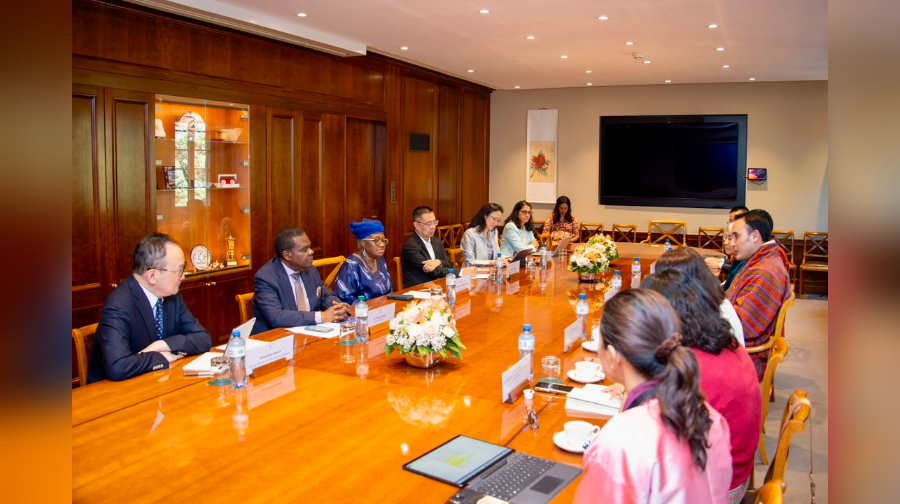
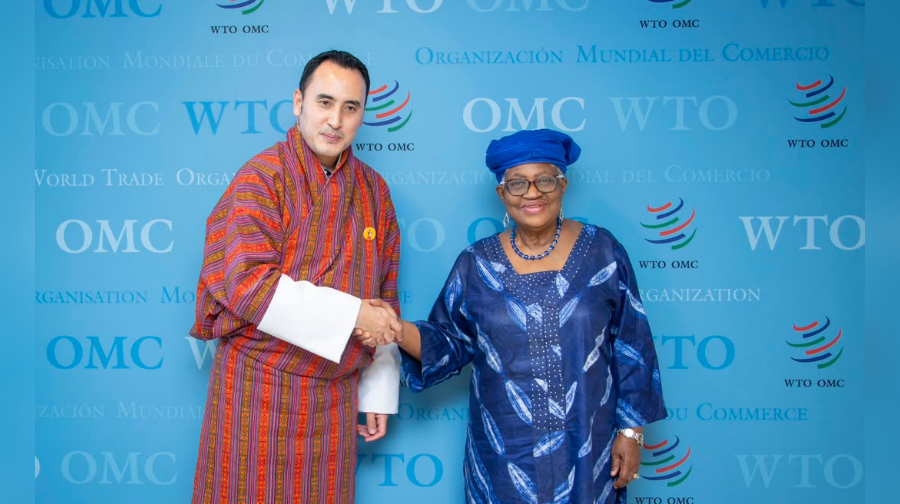
On the sidelines of the Working Party Meeting, the Bhutanese delegation held several bilateral meetings with WTO senior executives, including its Director-General.
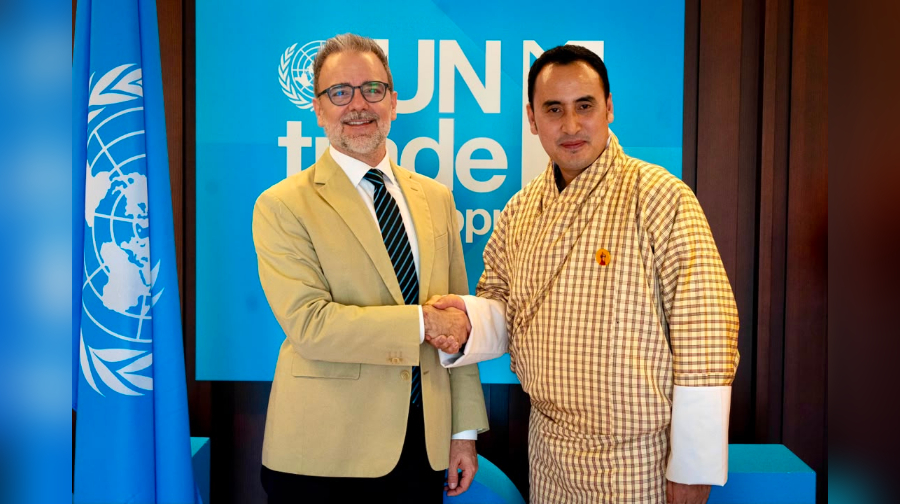
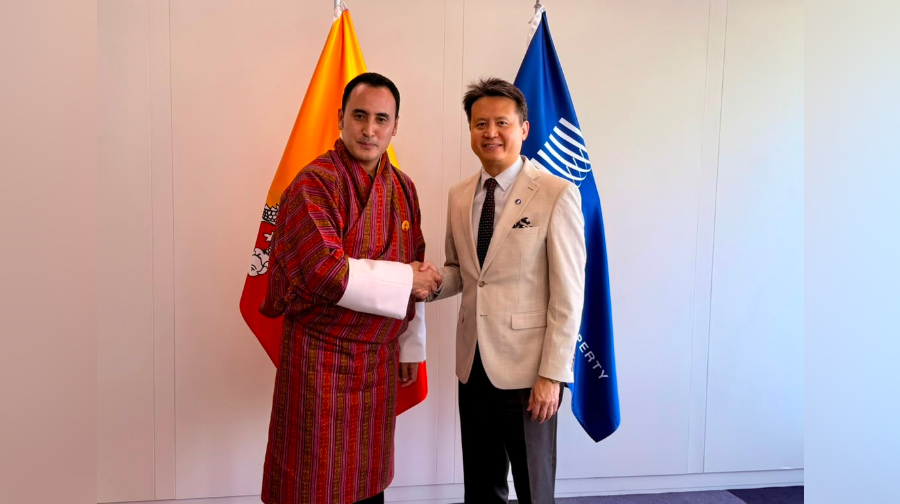
They also met with the Director-General of the World Intellectual Property Organisation, Acting Secretary-General of the UN Trade and Development (UNCTAD), Ambassador and Permanent Representative of Austria to the WTO and Chair of Bhutan’s WTO Working Party. Besides, bilateral market access negotiations between the Bhutanese delegation and interested WTO Members to advance Bhutan’s accession process also took place.
Meanwhile, as the negotiations continue, for Bhutanese citizens and businesses, the central question is not only when Bhutan joins the WTO. It is equally about what commitments Bhutan makes and whether the final agreement protects national development priorities while opening meaningful opportunities for trade and employment.
Sonam Wangdi