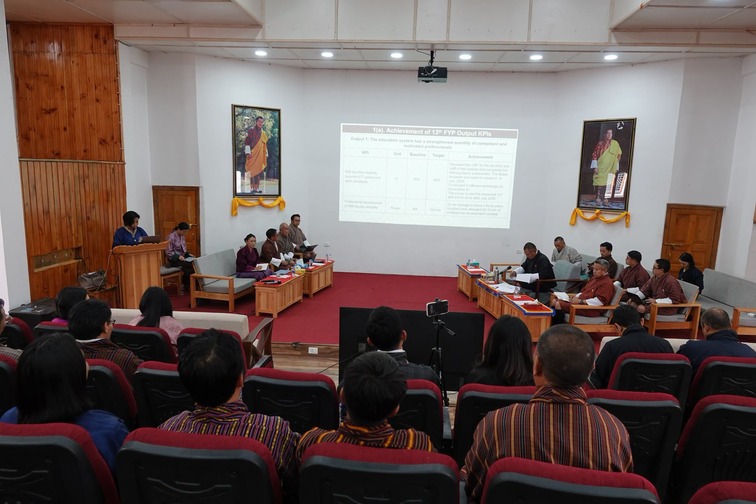
 The Royal Institute of Management wants to open its doors to fee-paying international students for the first time. The institute has proposed attracting students from across the region, starting with short leadership courses built around mindfulness and cultural immersion, to raise revenue and lift its profile in the regional education market. The plan was put forward at the mid-term review.
The Royal Institute of Management, the country’s apex management training institute, has proposed enrolling fee-paying international students, setting it as a new key performance indicator under the 13th Five-Year Plan. At present, the institute hosts only exchange students. Under the proposal, the RIM aims to attract between 10 and 15 fee-paying international students over the next few years.
According to the management, attracting fee-paying students would help raise its profile in the regional education market, particularly in South Asia. The institute says it would also add academic diversity, strengthen its standing as a professional training centre, and generate revenue to support its long-term financial sustainability.
But the institute cannot open all its programmes to international students yet. It plans to begin with short-term courses tailored to international participants, while working towards the international accreditation that its longer programmes would need.
“We cannot sell all our programmes because we need international accreditation first. Before moving to the long-term programmes, we would like to sell some short-term programmes, such as leadership development programmes that incorporate mindfulness sessions and cultural immersion. So, we are going to start with the short programmes and then, after getting some of our programmes accredited, maybe we will be able to attract regular students, at least 10 to 15 in the next few years,” said Tshering Yangden, Director General, Royal Institute of Management.
The institute has already upgraded about 80 per cent of its academic facilities, infrastructure, and learning resources to meet modern standards. The campus has also been undergoing development under the 13th Five-Year Plan, partly with assistance from the Indian government. The institute is confident that these improvements, together with future accreditation, will help it compete in the international education market.
Namgay Wangdi
Edited by Sonam Wangdi