
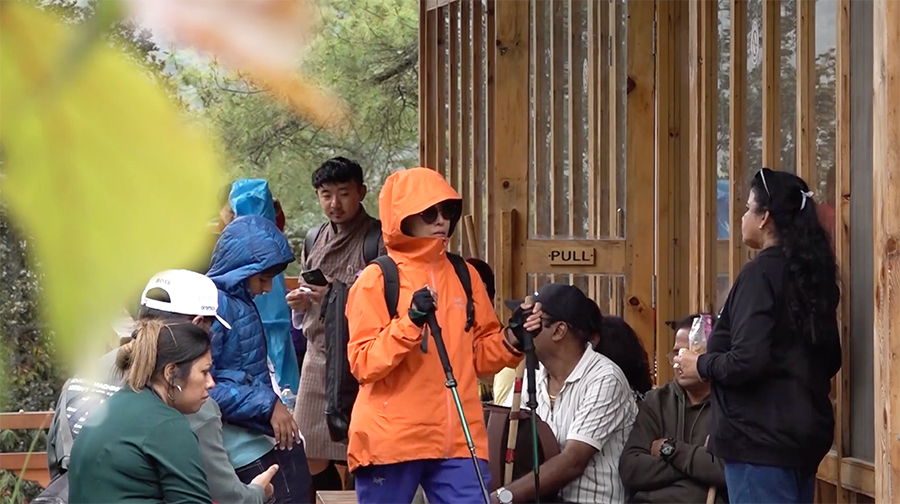
 Paro’s national monument sites are seeing a steady rise in visitor numbers, turning centuries-old monasteries into major contributors to the district’s tourism revenue. From Taktsang to Kyichu Lhakhang and Dungtse Lhakhang, both footfall and earnings have increased significantly over the past two years. The latest figures show a strong upward trend, reflecting Paro’s growing position as one of Bhutan’s key cultural tourism hubs.
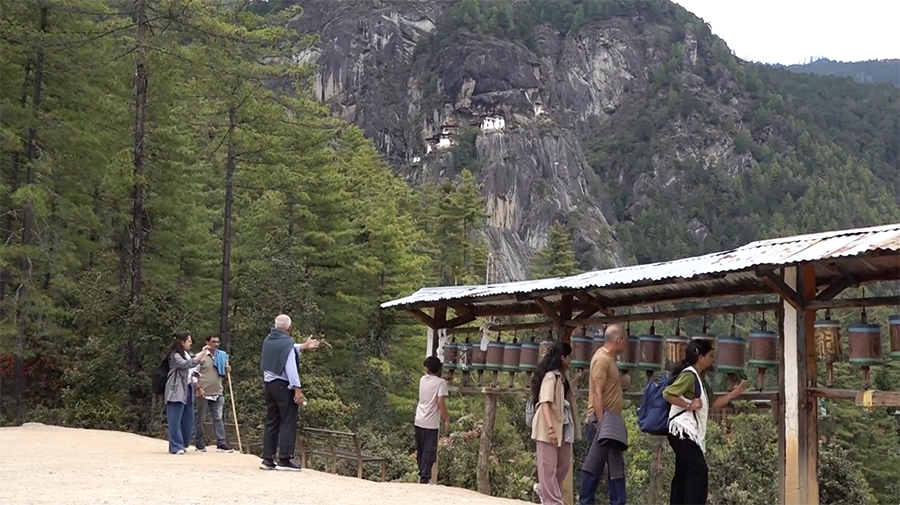 Paro Taktsang, Bhutan’s most iconic monastery, continues to anchor the district’s cultural tourism economy.
According to revenue records, the monastery generated more than Nu 69 M from over 70,000 visitors in 2024. The figures rose sharply to more than Nu 106 M collected from over 108,000 visitors last year.
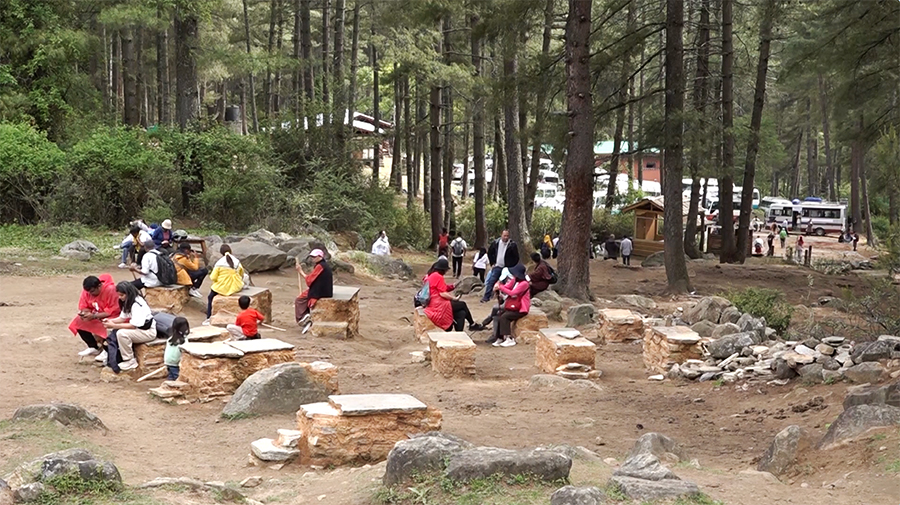 International and regional tourists visiting Taktsang currently pay an entry fee of Nu 1,000 for adults and Nu 500 for children between six and 17 years old.
In just the first four months of this year alone, Taktsang has already recorded more than 38,000 visitors and generated over Nu 37 M, indicating another strong tourism year ahead.
Similarly, visitors have to pay Nu 500 while visiting Kyichu lhakhang and Dungtse Lhakhang. Children are charged half the adult rate across all sites.
Kyichu Lhakhang, one of Bhutan’s oldest and most sacred temples, is also witnessing steady growth in visitor arrivals.
Unlike Taktsang’s physically demanding pilgrimage trail, Kyichu attracts a broader mix of visitors, including elderly pilgrims, cultural tourists, and regional travelers seeking shorter spiritual visits.
The temple recorded over 28,000 visitors in 2024, generating nearly Nu 14 M in revenue. Last year, arrivals increased further to more than 36,000 visitors, pushing revenue beyond Nu 18 M.
And till April this year, Kyichu has already welcomed over 12,000 visitors and generated more than Nu 6 M.
Unlike Taktsang and Kyichu lhakhang, Dungtse Lhakhang was only recently recognized as a national monument. The 15th-century temple is known for its rare murals and spiritual symbolism. Though it only started collecting entry fees at the start of this year, it recorded more than 1,500 visitors and generated around Nu 750,000 within its first four months this year.
Meanwhile, the increasing number of visitors is also translating into more business activity like cafés, guides, horse handlers, transport services, and souvenir vendors around the area.
Rinchen Dorji, Manager of Taktshang Café said, “Since the café began on June 8, 2022, the number of visitors has increased drastically. Now, there are at least 300 visitors visiting Taktsang daily.”
Authorities are also exploring ways to diversify Paro’s heritage tourism circuit by developing and promoting additional monument sites across the district to reduce pressure and congestion at heavily visited locations.
The entry fee system was introduced by the department of tourism to help preserve Bhutan’s living heritage, conserve these timeless cultural treasures, and enhance visitor experiences.
Karma Samten Wangda