 Bhutan’s traditional arts are drawing attention far beyond its borders. A growing number of international learners are visiting the country to master centuries-old skills rooted in culture and spirituality. Among them is Rita from Taiwan, who has returned to Bhutan for the second time to deepen her skills in traditional painting. Her journey reflects a broader global appreciation for Bhutan’s rich artistic heritage.
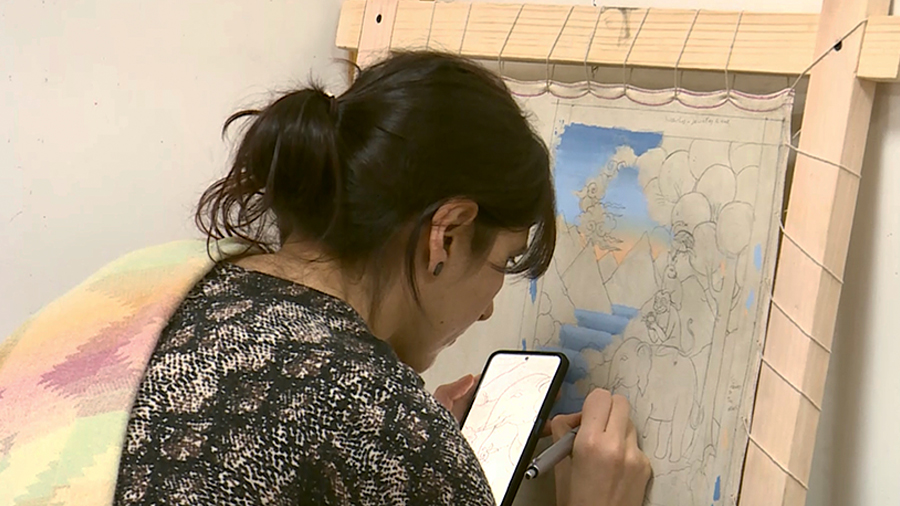
In a quiet studio filled with the scent of pigments and the careful strokes of brushes, a story of passion is unfolding, one that has travelled across borders to find its place in Bhutan.
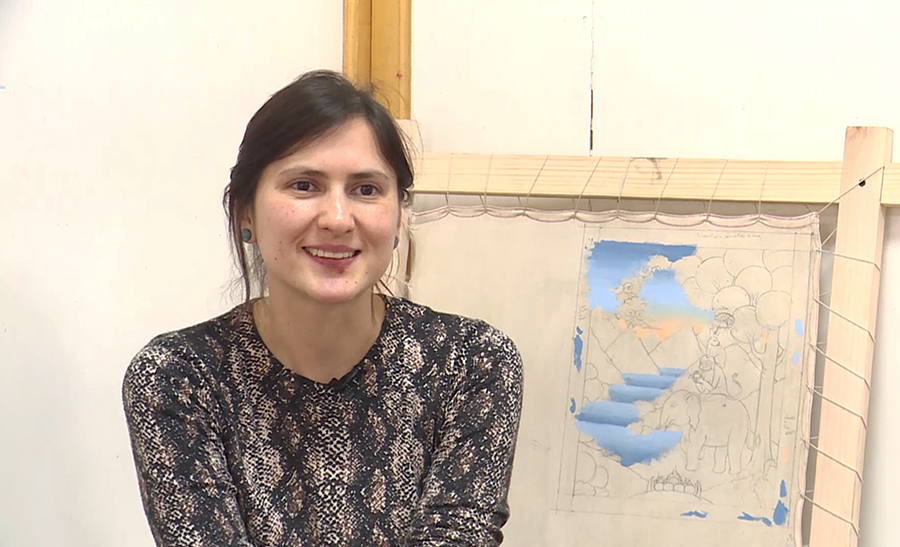 Rita says she has always wanted to paint, and for the past two years, she has been painting Tibetan thangkas in her home country.
Her journey of interest in Bhutanese traditional painting began last year when she took part in the education and skills development ministry’s Bhutan Skills Programme. What started as a learning experience soon became something more meaningful.
“I wanted to experience Bhutanese painting through this programme. It is my second time, and the last time I came, it was fun. And also, I wanted to wear Kira again,” says Rita.
Her passion has brought her back with a clear goal this time.
This year, her aim is to learn how to paint Thuenpa Puenzhi, the “Four Harmonious Friends,” a well-known Buddhist painting that symbolises harmony and cooperation among different beings.
As she carefully studies each line and form, she is not just learning a technique, but embracing a philosophy deeply rooted in Buddhism and Bhutanese culture.
For Rita, traditional painting is more than an art form; it is a spiritual practice. She says she finds solace in painting, where each brushstroke becomes a moment of calm and reflection. “This is adding to my knowledge of thangka painting. Bhutanese painting has different techniques, and I will apply them in my own work. In Taiwan, thangka painting is not really popular, but in Bhutan, it is very popular and deeply ingrained in culture and religion.”
With such global interest in cultural and skills-based learning, Bhutan’s traditional arts are now reaching new audiences through structured training programmes.
As more foreigners like Rita return to Bhutan to refine their craft, the country’s TVET sector is quietly becoming a bridge between tradition and global appreciation.
Sangay Chozom