
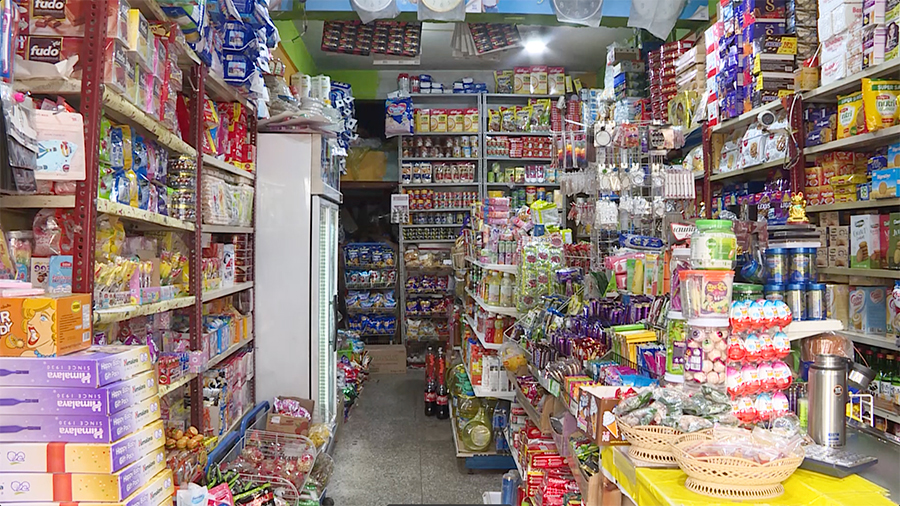
 Prices of goods and services are expected to increase further. According to the World Bank’s Bhutan Development Update report released today, the overall inflation will increase to 5.2 per cent in the current financial year and 5.6 per cent in 2026-2027 financial year, driven by higher food and oil prices.
Prices of essential goods are climbing, putting additional pressure on household budgets.
January this year recorded a noticeable spike in inflation. Inflation has more sharply increased to 5.8 per cent in January this year compared to 3.1 per cent in January last year.
World Bank’s Bhutan Development Update attributes the sharp rise in the Consumer Price Index in January this year to higher costs of food, beverages, and tobacco.
The increase follows major tax reforms introduced earlier this year.
The report highlights challenges during the transition to the new Goods and Services Tax, or GST, system. It notes that some businesses charged GST on old stocks, while previously unregistered businesses began collecting GST, contributing to price increases.
“It is not unusual for countries introducing sales taxes to face administrative challenges as the system stabilises. Existing taxation frameworks are suddenly brought under a new system, which can create risks like double taxation. Sometimes, retailers are simply unsure how to implement the new rules. We are monitoring the situation closely,” said Xavier Furtado, the country manager, World Bank Group.
Adding to the pressure, there have been reports of double taxation on some imported goods, where both sales tax and GST were applied. This has further pushed up prices, affecting consumers already facing rising living costs.
According to the report, fuel prices have risen due to the Middle East conflict, and this is expected to push inflation up by about 0.5 percentage points.
The World Bank warns that although the government has introduced a National Fuel Price Smoothing Framework, a prolonged increase in fuel prices could further drive up inflation, slow economic growth, and affect people’s daily lives by reducing household spending.
On average, the consumer price index rose to 3.5 per cent last year from 2.8 per cent in 2024.
Samten Dolkar