
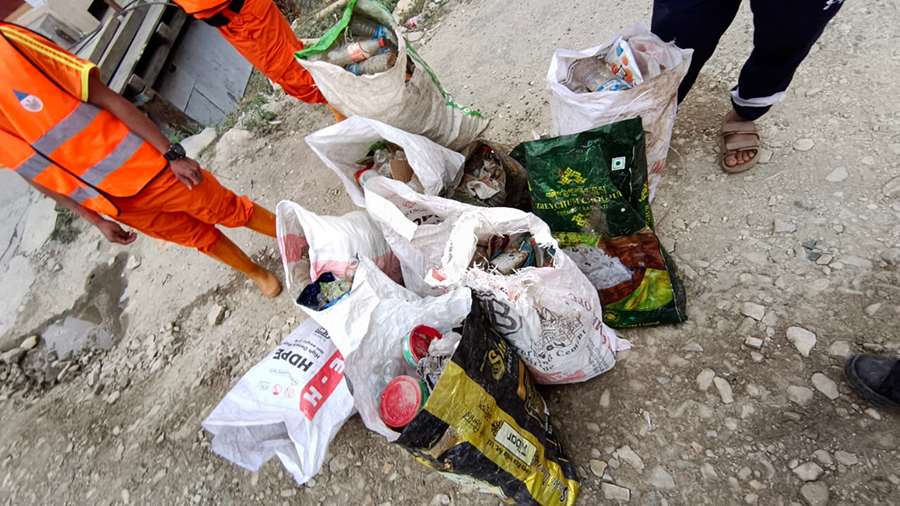
 What began last year as a clean-up drive is slowly turning into something bigger, an effort to bring life back to the rivers. Since January this year, volunteers have collected more than 24,500 kilograms of waste from streams across the country in the ongoing nationwide river-cleaning campaign. That’s roughly the weight of four to five fully loaded pickup trucks. Around 120 De-suup volunteers are working across the country to clean streams and rivers.
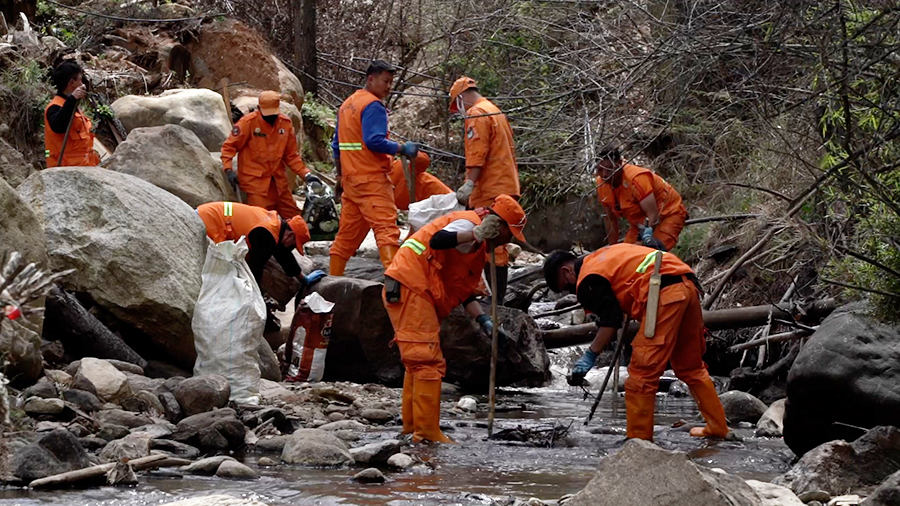 Groups of De-suup volunteers, in their familiar orange uniforms, step into narrow streams, pulling out plastic bottles, wrappers, and other waste trapped between rocks. What looks like a simple cleanup is part of a much larger national effort to restore and protect the country’s rivers.
The campaign will run through 2028, bringing in volunteers, civil servants and local leaders across the country. After that, the monitoring will be handed over to the districts, thromdes and relevant agencies.
According to the campaign’s coordinator, the campaign is already making a difference.
“Following last year’s campaign, monitoring was carried out, and it showed positive results. Many people reported that rivers and streams appeared cleaner and in better condition. The campaign has already covered most districts, with only four to five remaining, which are expected to be included within the next six months,” said Gyeltshen Dukpa, National Coordinator, Nationwide River Cleaning Campaign.
For the volunteers, it’s not just about picking up trash. There’s another part to it; they are also raising awareness among the people, emphasising that human activities are a major cause of river pollution.
“Waste in streams is mostly found near residential areas, around bridges, and in places where people frequently gather. While cleaning, we also raise awareness among residents living near these streams,” said Sangay Dorji, Volunteer, Nationwide River Cleaning Campaign.
The campaign is growing. More areas, more volunteers and more conversations. And it’s not stopping anytime soon. What started with streams is now moving toward rivers across the country.
Sangay Chozom
Edited by Sonam Pem