
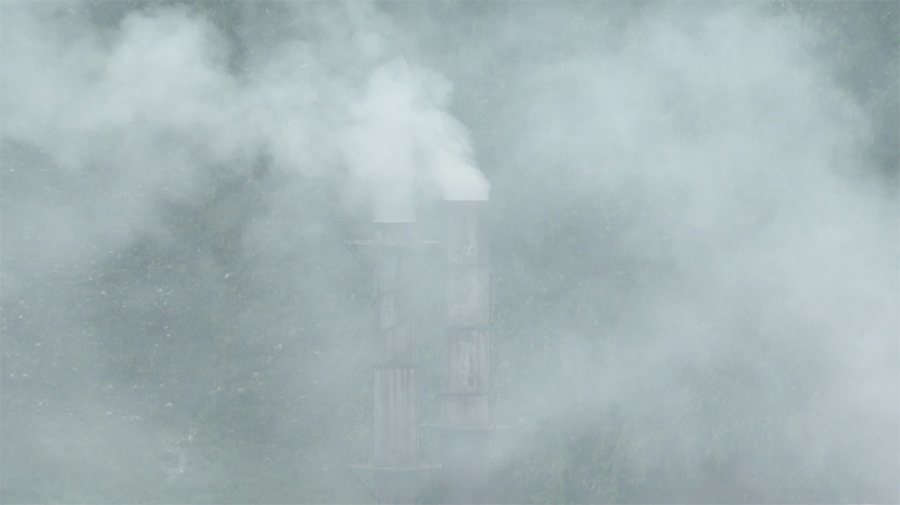
 People living near the Pasakha Industrial Estate in Phuentshogling are already bearing the brunt of air pollution caused by factories. With little done to compensate affected communities, residents continue to wait for relevant authorities to take action. However, the lack of sufficient data and research on the impacts of air pollution has made it difficult to address the issue.
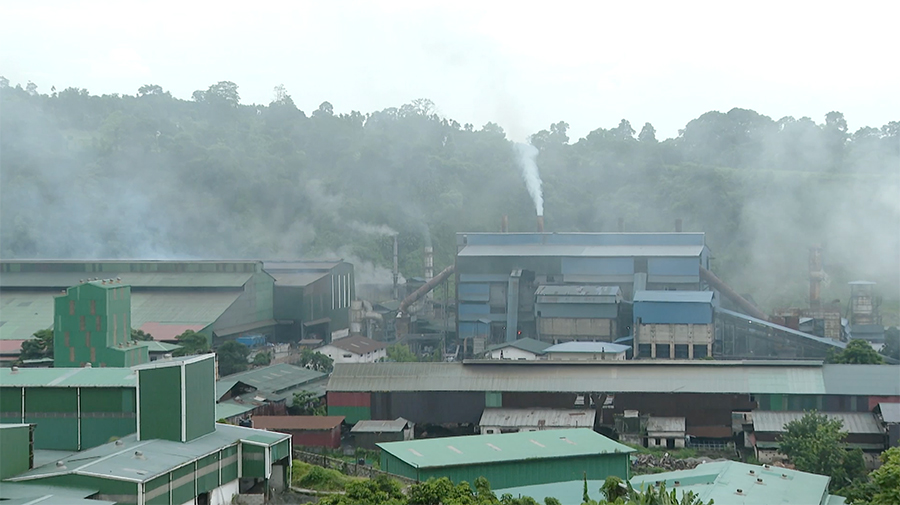
Among those speaking about the situation is a worker from one of Pasakha’s factories. The worker agreed to share their experience on condition of anonymity.
According to the worker, exposure to smoke and dust has become routine for many employees inside the industrial estate.
“Most of the employees suffer from TB,” the worker said. “They inhale smoke and dust from the factories every day. No children have been reported with TB, but those working in the factories suffer from it.”
Nearly 40 factories operate in the Pasakha Industrial Estate. The industries have created jobs and contributed to economic growth in Phuentshogling. But for residents of nearby villages in Samphelling Gewog, the growth has also brought environmental concerns.
The anonymous worker says pollution becomes particularly noticeable during winter.
In the past, families in the area grew vegetables during the colder months. Today, the worker says dust and chemical particles settle on crops, homes, and clothes.
“We dry our clothes outside and they get covered with dust,” the worker said. “Children wear those clothes and they may get allergies or fall sick. It is not just dust. There is also a smell from the chemicals.”
The worker says children breathe in the polluted air every day.
“Children cannot stay inside all the time. They have to go outside and learn and play.”
Some factory workers receive protective gear, according to the worker, but many labourers work without adequate protection. This leaves them more exposed to smoke and dust inside factory premises.
Residents living close to the industrial estate say they have seen major changes over the years.
69-year-old Jagay Rai has lived in Sengyegang long before the factories arrived. He remembers a different landscape before industries arrived in Pasakha.
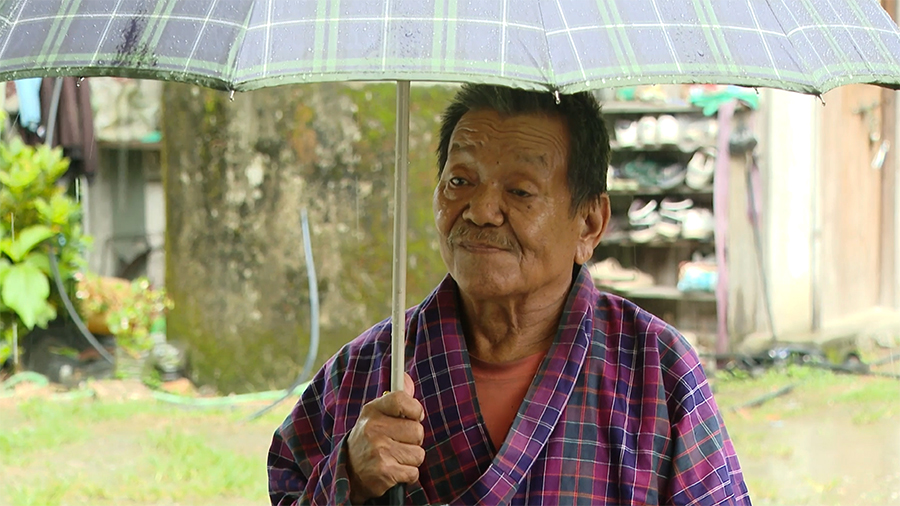
“There was nothing here back then,” Jagay Rai said. “It was just our village and our farms. We used to grow areca nut, maize and other vegetables. Now we don’t even have clean drinking water. Everything is being destroyed by chemicals. In those days, we didn’t even know what chemicals were, as we were illiterate.”
He says thick smoke and dust from factory chimneys settle on clothes and roofs. Noise from heavy vehicles has become part of daily life.
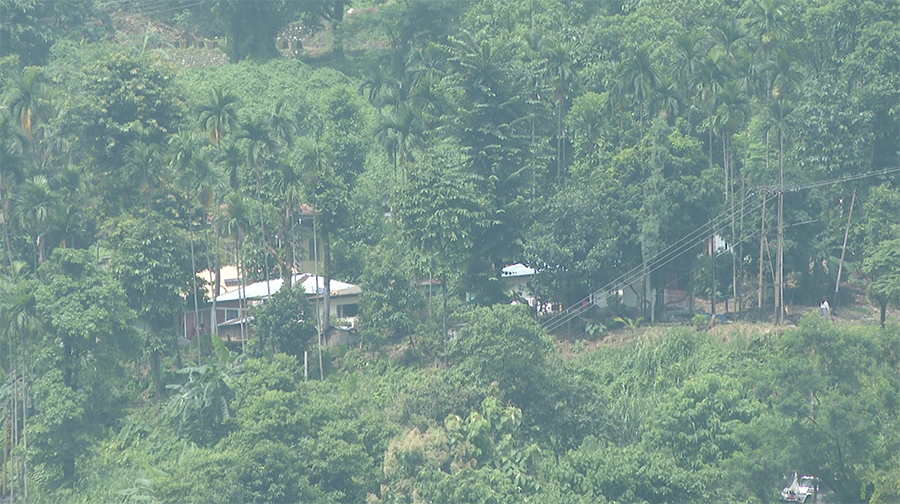
He says smoke and dust from factory chimneys settle on rooftops and clothes. Heavy vehicles passing through the area have also added noise to daily life.
Agriculture, once the main livelihood, has become increasingly difficult.
The anonymous worker says crops sometimes grow initially but fail just before they bear fruit.
“They grow but when they are about to fruit, they die like we have poured hot water on them,” the worker said.
Some families still eat vegetables they grow themselves, although they wash them carefully because of the dust.
Farmers also try to maintain organic farming practices using their own manure. However, the worker says pollution from factories makes it difficult to keep crops truly organic.
Agriculture officials have encouraged villagers to diversify crops. But according to the worker, many residents see little benefit because pollution continues to affect farming.
Areca nut remains the main crop for many families. Yet even this crop faces challenges. The worker says wild animals damage some plantations, while pollution appears to affect fruiting in others.
Despite these impacts, residents claim they have received neither compensation nor any support from the factories.
Samphelling Mangmi Khemraj Limbu said, “People are losing interest in agriculture. In the villages, even the CGI sheets on our roofs are getting damaged. They start rusting within just two years. The water, too, gets contaminated because of dust particles. I believe air pollution is affecting our health. We have raised these concerns several times, even through the gewog office, but so far, no relevant office or agency has taken any action.”
Phuentshogling Thrompon Uttar Kumar Rai said, “If someone is making a profit while others are suffering, that’s not right. Everyone should benefit. In that sense, the affected people deserve some form of compensation, whether in cash or kind. It doesn’t necessarily have to be a direct cash payment; support through corporate social responsibility initiatives would also make a difference. Otherwise, at the very least, those living in the area should be given employment opportunities.”
BBS reached out to the Association of Bhutanese Industries to confirm about Corporate Social Responsibility and emission control within the factories. However, we have yet to receive a response.
Without research and data, the problem remains invisible.
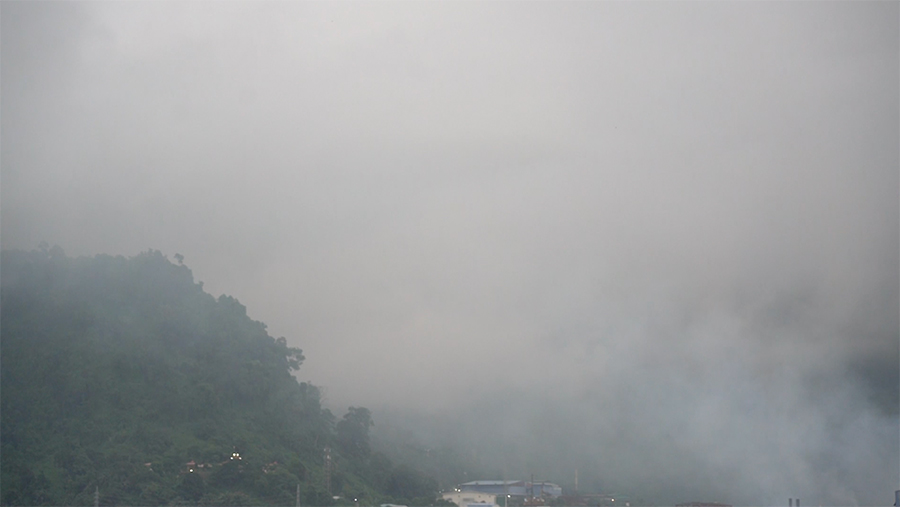 Health officials admit that no research has ever been carried out to determine the impact of pollution on people’s health or livelihoods in Pasakha.
“The one glaring gap is the lack of information for us as a service provider, health provider, particularly, to provide the most effective responses. We do not have, at this point, adequate information. Especially when it comes to environmental health issues,” said Dr Dorji Tshering, the Chief Medical Officer with Phuentshogling Hospital.
The absence of such evidence means communities continue to live without regular health monitoring or targeted interventions.
Residents say the last time they underwent a medical check-up was during the Nationwide Non-Communicable Disease Screening held last year.
“There are no clear policies for us to follow or use as guidance to support the communities. Right now, it’s quite confusing because when policies are unclear, it becomes difficult to take proper action,” said Uttar Kumar Rai, Phuentshogling Thrompon.
For now, the Department of Industry monitors factories daily.
According to the department, ten companies have been penalised for excessive emissions, illegal waste dumping, and not complying with environmental standards. But without proper data, the long-term effects on health and livelihoods remain unaddressed.
For residents of Samphelling Gewog, life continues under a cloud of uncertainty. Until research is carried out and policies enforced, communities will have to live with pollution, waiting for concrete action.
Tshering Zam & Sangay Chezom