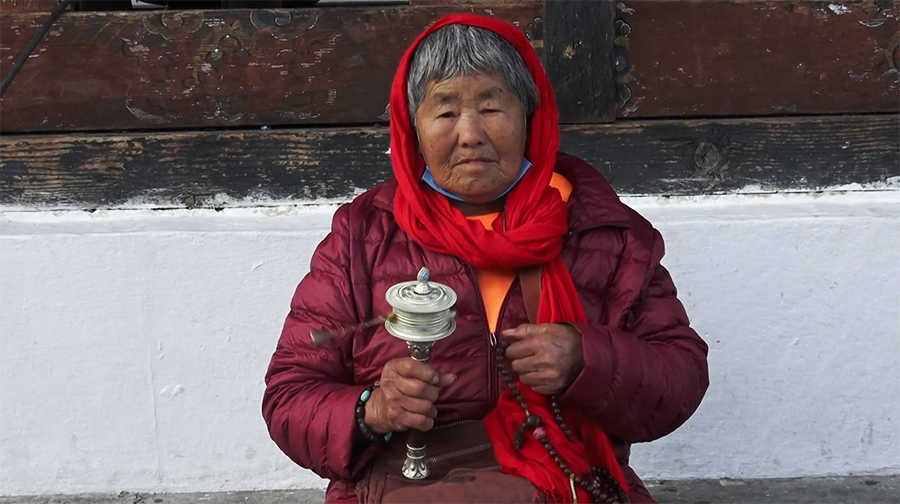
 Bhutan is expected to become an ageing society by 2028, with more than seven per cent of its population projected to be over the age of 65, according to the World Bank’s latest report on demographic change in South Asia.
The report warns that South Asian countries, including Bhutan, are ageing before becoming high-income countries, which could put pressure on their economies and social services.
Bhutan’s working-age population is projected to peak around 2031. After that, economic growth could slow as the number of working people decreases while the number of older dependents increases.
This demographic shift is expected to challenge the government in funding social pensions, developing long-term care infrastructure and providing healthcare for a growing elderly population.
To address these challenges, the World Bank recommends growing private businesses and increasing women’s participation in the workforce to create more jobs and support economic growth.
According to the report, 75 per cent of employed people work in government-related jobs, while only 16 per cent are employed by private businesses.
Meanwhile, one in three women aged 15 to 24 is not in employment, education or training because of family duties.
The report also states that regular salaried employees make up 34 per cent of Bhutan’s total workforce, while others are informally employed without contributory pension coverage.
Informally employed people are those whose work is not regulated, taxed or protected by national labour laws, and who lack standard social security benefits or employment rights.
To address this gap, the World Bank recommends introducing non-contributory social pensions. These are government-funded payments for older people who have not contributed enough to formal pension schemes, particularly those from humble backgrounds.
Bhutan is currently the only country in South Asia without a formal non-contributory social pension system, although it has the Kidu system to support people in need.
The report also recommends enhancing community health centres and introducing formal training and certification programmes for caregivers and geriatric nurses to improve care for the elderly.
As Bhutan moves towards becoming an ageing society, the challenge will be to support its growing elderly population while strengthening the economy, creating more jobs and building a social protection system.
Bhutan is expected to become an ageing society by 2028, with more than seven per cent of its population projected to be over the age of 65, according to the World Bank’s latest report on demographic change in South Asia.
The report warns that South Asian countries, including Bhutan, are ageing before becoming high-income countries, which could put pressure on their economies and social services.
Bhutan’s working-age population is projected to peak around 2031. After that, economic growth could slow as the number of working people decreases while the number of older dependents increases.
This demographic shift is expected to challenge the government in funding social pensions, developing long-term care infrastructure and providing healthcare for a growing elderly population.
To address these challenges, the World Bank recommends growing private businesses and increasing women’s participation in the workforce to create more jobs and support economic growth.
According to the report, 75 per cent of employed people work in government-related jobs, while only 16 per cent are employed by private businesses.
Meanwhile, one in three women aged 15 to 24 is not in employment, education or training because of family duties.
The report also states that regular salaried employees make up 34 per cent of Bhutan’s total workforce, while others are informally employed without contributory pension coverage.
Informally employed people are those whose work is not regulated, taxed or protected by national labour laws, and who lack standard social security benefits or employment rights.
To address this gap, the World Bank recommends introducing non-contributory social pensions. These are government-funded payments for older people who have not contributed enough to formal pension schemes, particularly those from humble backgrounds.
Bhutan is currently the only country in South Asia without a formal non-contributory social pension system, although it has the Kidu system to support people in need.
The report also recommends enhancing community health centres and introducing formal training and certification programmes for caregivers and geriatric nurses to improve care for the elderly.
As Bhutan moves towards becoming an ageing society, the challenge will be to support its growing elderly population while strengthening the economy, creating more jobs and building a social protection system.
Singye Dema
Edited by Tandin Phuntsho