
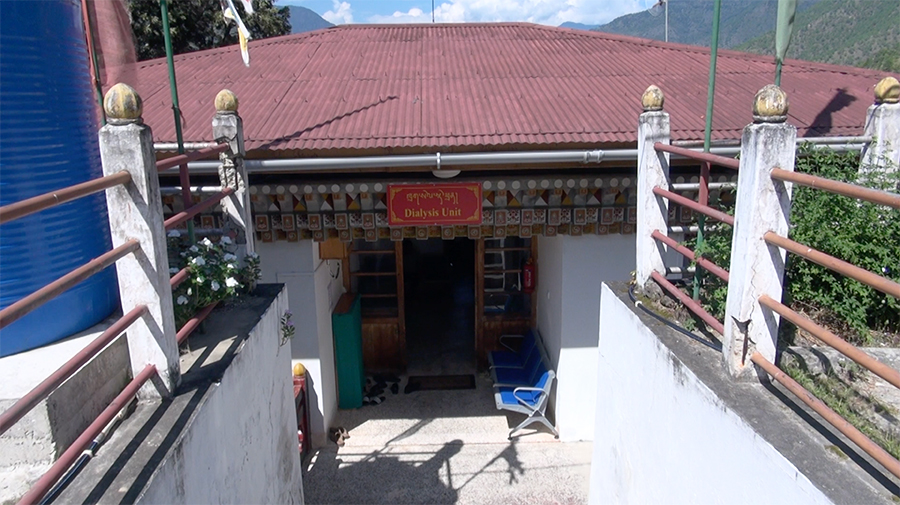
 Frequent breakdowns of the Reverse Osmosis (RO) machine at Trashigang Hospital are disrupting dialysis services, forcing kidney patients to travel to other hospitals for treatment.
The hospital began providing dialysis services about seven months ago. It currently treats ten patients from Trashigang, Trashi Yangtse and parts of Monggar.
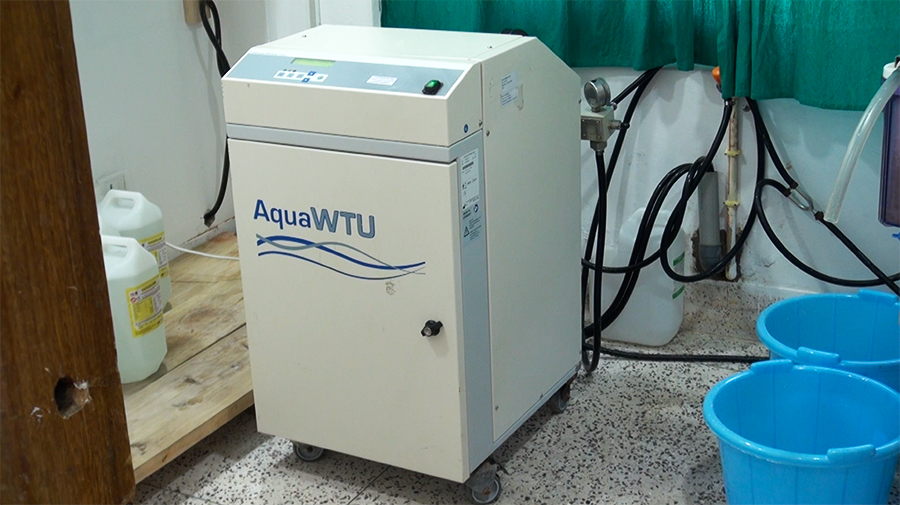 The RO machine purifies water to make it clean and safe for kidney dialysis. The purified water is mixed with special chemicals to prepare dialysis fluid, which helps remove waste products and excess salts from the blood during treatment.
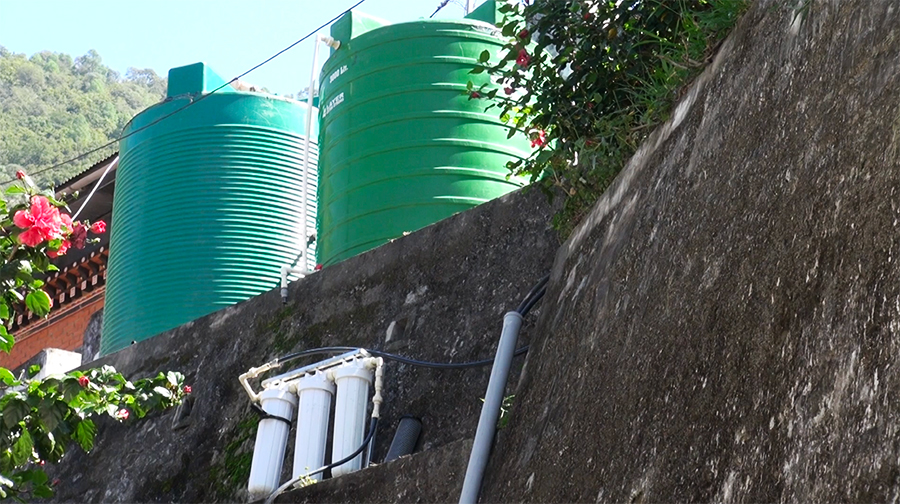 However, the hospital says poor water quality is contributing to the frequent breakdowns. Several water tanks have been installed to allow sediments to settle before the water enters the RO machine. But this has not been enough to prevent the problem. Officials also say ageing machines are contributing to the breakdowns.
For patients, the disruptions mean additional travel and uncertainty over treatment.
Naku, a kidney patient from Trashigang, says travelling to other hospitals for dialysis is difficult, especially for those without their own vehicles.
“Travelling is difficult for us, and having to go elsewhere for treatment makes us feel sad. It is easier when we have our own vehicles; otherwise, we struggle. Even when we manage to reach other hospitals, getting treatment is not always easy because they have their own scheduled patients. So, whenever our machine breaks down, we worry. Delayed dialysis causes breathing difficulties,” she added.
Yeshi Choden, an attendant from Trashigang, says she worries about her mother whenever she has to travel to another hospital for treatment.
“Although the hospital arranges for patients to receive treatment at other hospitals, I worry that something might happen to my mother while travelling.”
The hospital expects the problem to be resolved soon. It has urgently requested spare parts, with some already reaching Thimphu.
For a long-term solution, the hospital has secured funding, with World Bank assistance, to install a dedicated water treatment plant. The equipment is expected to arrive in December.
Until then, patients may continue to face disruptions to their dialysis treatment.
Sonam Darjay
Edited by Passang