
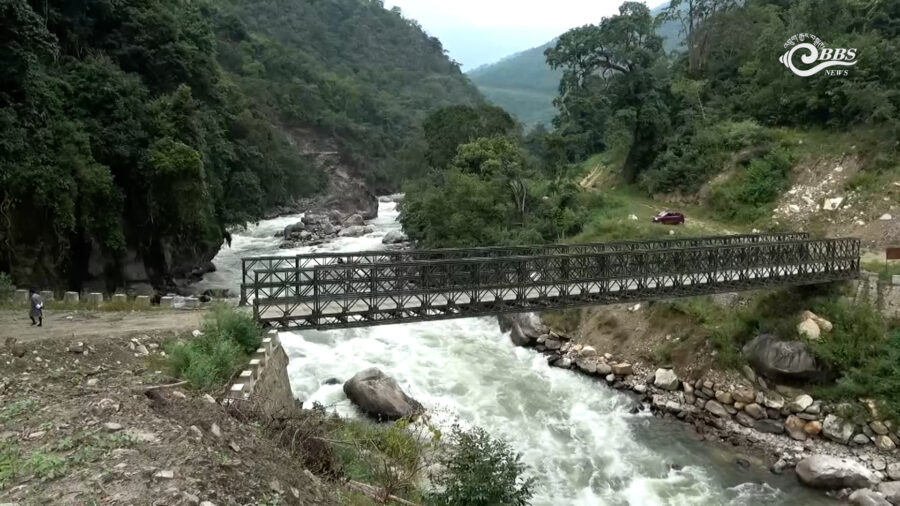
 For years, the Mangde River separated farmers in three villages of Langthil Gewog in Trongsa from their farmlands. A new 150-feet-long Bailey bridge at Bashaling has now made access easier for more than 70 households.
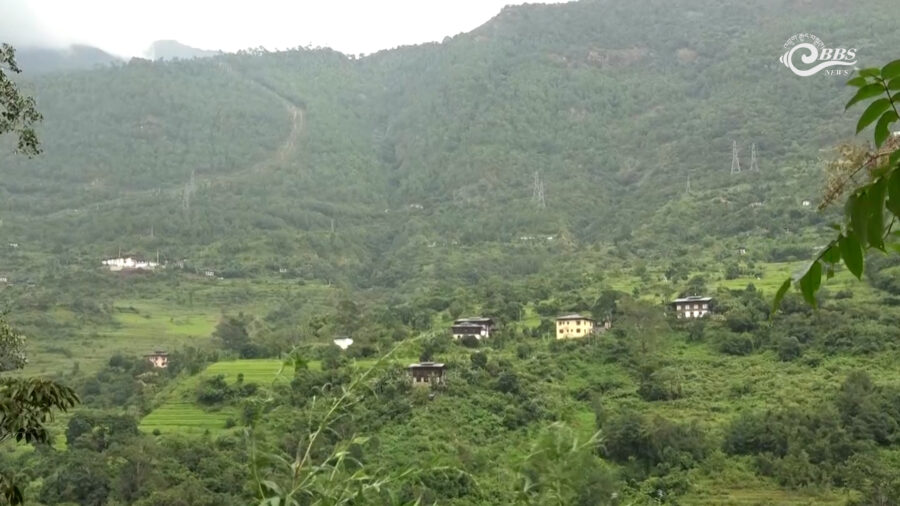 Without a motorable bridge, farmers had to walk for hours to reach their fields at Nang Nang, where many families from YungdrungCholing-Bayling have farmlands. The long journey made it difficult for farmers to stay and guard their crops, which were often damaged by wild animals.
Namgay from Bashaling, Langthil Gewog, Trongsa, said farmers previously struggled to transport their harvest and essential supplies.
“When there was no motorable bridge, we had to carry rice and other essential items on our backs. We had a suspension bridge, but carrying loads back and forth was difficult,” he said.
Similarly, Namgay Tshering from YungdrungCholing, Langthil Gewog, said the journey to the farms took several hours.
“We had to carry the loads on our backs. We had to walk almost four to five hours to reach our farms and return to the village,” he said.
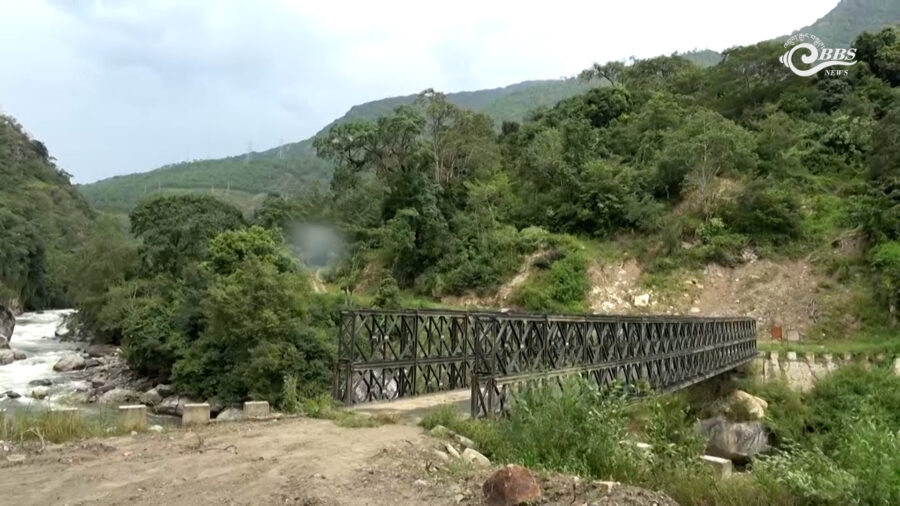 With the new bridge in place, farmers can now reach their farmlands more easily. The bridge was built at a cost of almost 23 million ngultrum, and construction took almost a year to complete. The Government of India funded the project under the High Impact Community Development Project.
Tenzin, Tshogpa of YungdrungCholing-Bayling Chiwog, said the bridge would benefit communities that depend on farming for their livelihoods.
“We depend on farming for our livelihood. We grow wheat, buckwheat, maize and other crops. So, this bridge has really benefited us,” he said.
Dorji Wangdi from Bayling, Langthil Gewog, said farmers were now considering expanding their farming activities and staying closer to their fields for longer periods.
“We are even thinking of cultivating paddy and staying there for six months. Those who cannot work can also travel by car and guard against wild animals,” he said.
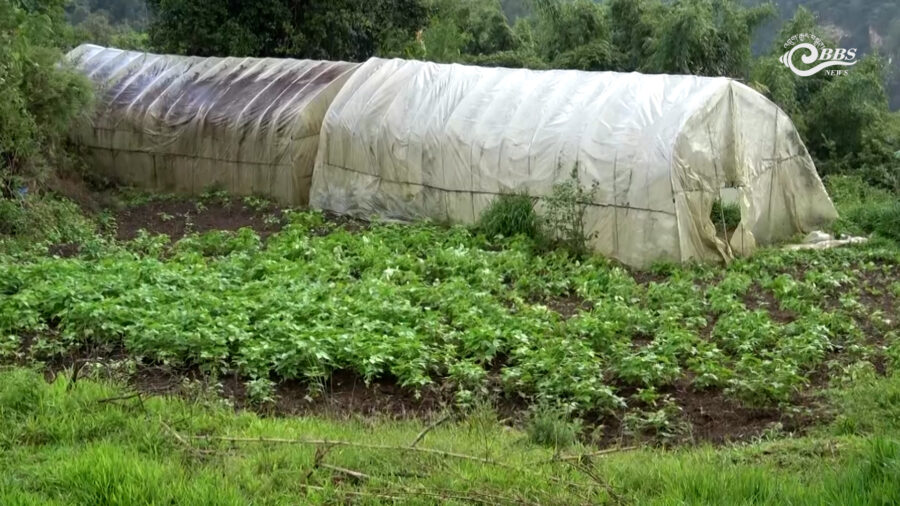 Farmers said the bridge would also give them an opportunity to mechanise farming and increase their income through better harvests.
Thinley Dorji, Trongsa