
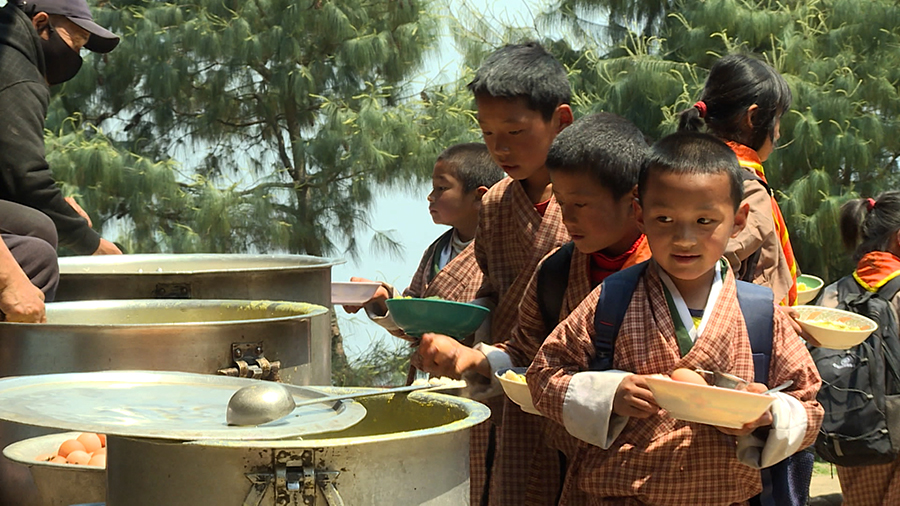
 Children are increasingly exposed to packaged snacks, sugary drinks and fast food, raising concerns about unhealthy eating habits and childhood obesity in Bhutan. Health authorities say addressing the issue requires collective efforts from parents, schools, businesses and policymakers to make healthier food more accessible and affordable.
Shops near schools sell a range of snacks, instant noodles, sugary drinks and fried foods, making them easily accessible to children despite efforts by schools to promote healthy eating.
Kinzang Pema Wangmo, a student of Ridaza Primary School in Monggar, said she sometimes wishes her school would serve the foods she likes, including French fries and drumsticks.
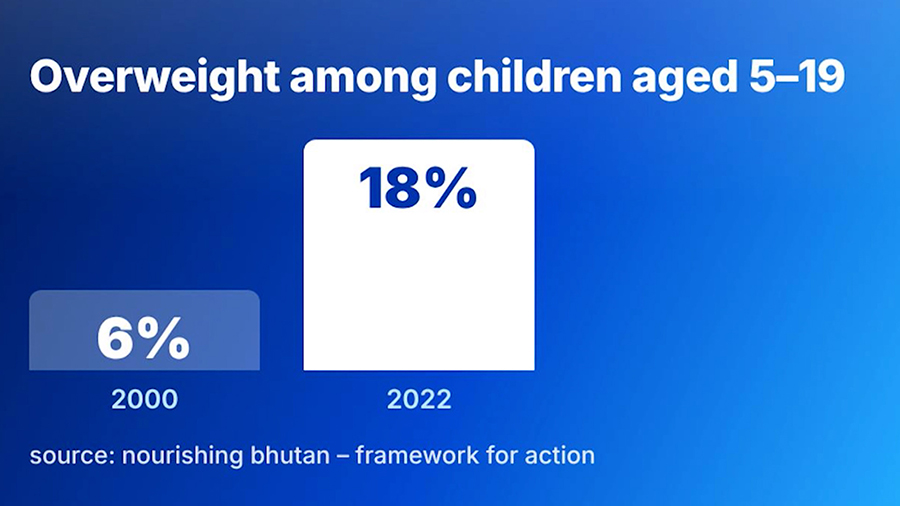 According to the Nourishing Bhutan: Framework for Action, published last year, the prevalence of overweight among children aged 5 to 19 increased threefold between 2000 and 2022, from six to 18 per cent.
Dietitians and nutrition specialists warn that many packaged and fried foods contain high amounts of added sugar, salt and calories, while some also contain unhealthy fats.

Tenzin Wangchuk, Clinical Dietitian and Head of the Department of Nutrition and Dietetics at JDWNRH, said frequent consumption of such foods could contribute to health problems among young people.
“Trans fat is nothing but a fried food and most packaged food has it. These foods give our body unwanted fat. These days, most adolescent comes here with non-alcoholic fatty liver diseases and metabolic related disease which is a liver disease,” he said.

Hari Prasad Pokhrel, Nutrition Specialist at the Ministry of Health, said excessive consumption of foods high in calories but low in nutritional value was contributing to rising overweight and obesity among schoolchildren.
“What happens is because you take too much of these empty calories, you actually start putting on weight and we have seen that over the years in our adolescent school population, more number of children are becoming overweight and obese,” he said.
Schools are trying to address the problem by promoting nutritious food and restricting junk food on their premises.
At Ridaza Primary School in Monggar, student captains check children at the school gate each morning. Junk food brought to school is collected and returned to students when they leave.
Singye, Principal of Ridaza Primary School, said the school discourages junk food because it can affect students’ eating habits.
“To encourage students to eat nutritious food, we do not let them eat or bring junk foods to school. The captains check at the gate every morning. If they have junk foods, we collect and give them when they leave school. They do not take it in school. If they eat junk food, they do not eat lunch,” he said.

Sangay Chophel, Chief Programme Officer of the Health and Wellbeing Division at the Ministry of Education and Skills Development (MoESD), said schools are instructed to restrict junk food and promote healthier eating habits.
“So, from the ministry, the instruction is very clear we have regarding no junk food. Then we promote green day in our schools and then we make sure that even for day scholars bring a healthy packed lunch to school,” he said.
Schools have also diversified their menus to include meat, eggs, milk, fruits and vegetables. According to the MoESD, there are more than 450 feeding schools in the country.
 By 2027, the ministry hopes to implement health-promoting schools, based on a World Health Organisation concept that encourages schools to strengthen their capacity as healthy settings for living, learning and working.
However, school authorities say controlling what children eat outside school remains a challenge.
Sangay Chophel said parents also need to play a role in encouraging healthy eating habits and limiting children’s access to junk food.
“So, within the school, we are able to restrict and control our students limit junk food. But the moment they are out of the school gate, it is very difficult for us to regulate. So, there, we really need our parents to look into it because we also encourage and inform our parents not to give pocket money to our students,” he said.
The availability and affordability of food outside school also influence children’s choices.
Kinley Dorji, Health and Nutrition Officer at UNICEF, said unhealthy food products are often cheaper than healthier alternatives.
“As the country develops, there are various products in the shops. For instance, in school canteens, students are sold noodles. In the shops too, the prices of these products are cheap, but healthier foods such as vegetables are expensive in the market,” he said.
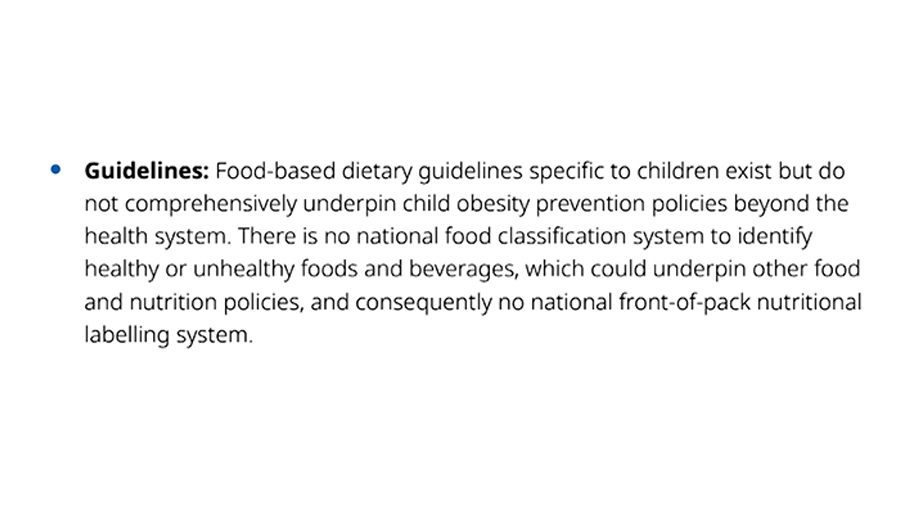 The Nourishing Bhutan: Framework for Action also states that while Bhutan has dietary guidelines for children, these are not fully reflected in obesity prevention policies outside the health sector.
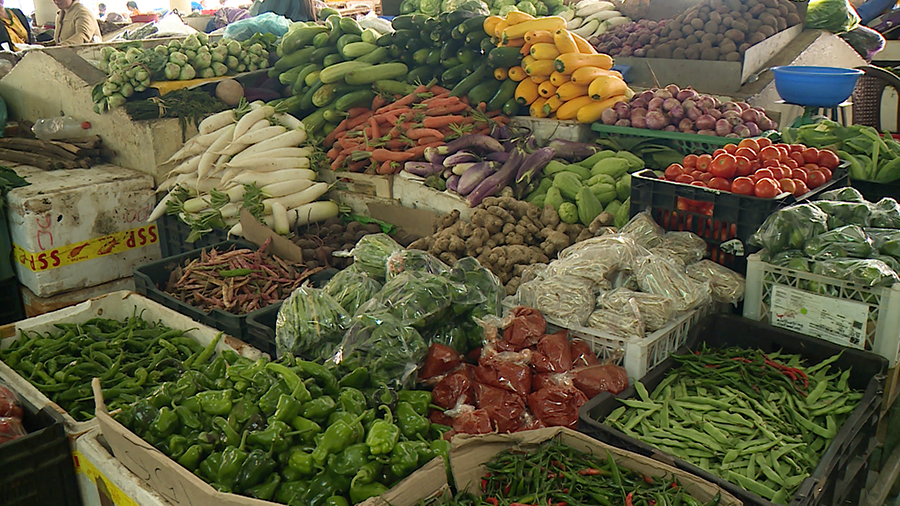 Addressing childhood obesity, therefore, requires more than school rules. Parents, schools, businesses and policymakers need to work together to make healthy food choices more accessible and affordable for children.
Sonam Yuden
Edited by Phub Gyem
This news story is produced in partnership with the Ministry of Health and UNICEF