
 A health system is only as strong as the people who keep it running. However, Bhutan continues to face a shortage of healthcare professionals. Although recruitment has increased in recent years, gaps remain. The Health Ministry is now developing a National Health Workforce Strategy to understand these gaps and plan for the workforce Bhutan needs.
According to the Health Ministry, Bhutan loses around 200 health professionals every year due to retirement and resignation, among other reasons. However, the ministry says that over the last two and a half years, recruitment numbers have doubled compared to the number of professionals leaving.
Bhutan should have nearly 3,000 general doctors, specialists and nurses. Today, there are only 2,300, leaving a shortage of about 700. Meanwhile, there are more health assistants than required.
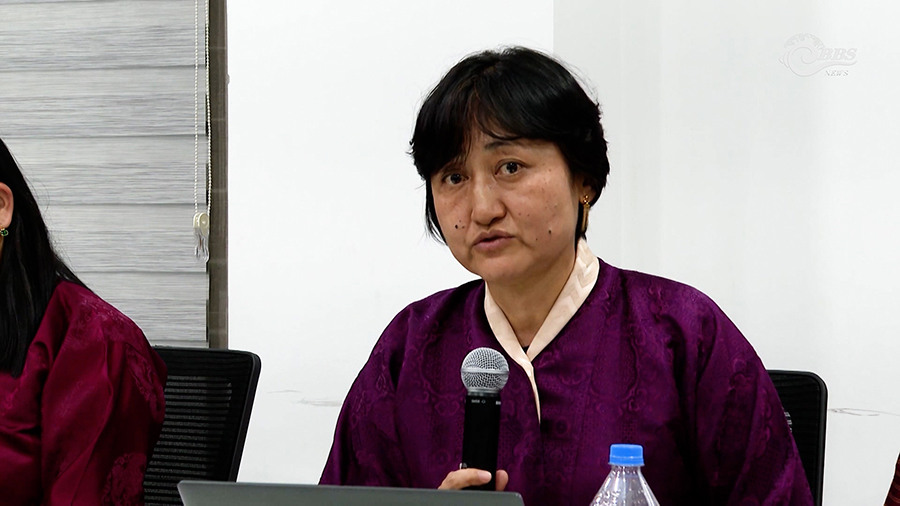
Speaking on the gaps, Dr Mimi Lhamu Mynak, President, NMS, said, “For specialists, against an approved standard of 376, we have only 237, that leaves us with a gap of 139 specialists. We have a gap of 120 general duty medical officers, and for nurses we have a 366 gap against the approved standards. With regard to HA, health assistants, there has been a negative balance of 52.”
She added that the Health Ministry is still in discussion with the Royal Civil Service Commission regarding the gap and recruitment numbers. However, the ministry said further analysis needs to be conducted.
“Right now, the Ministry of Health is also working on developing the National Health Workforce Strategy. That will give us a complete situational analysis of the health workforce in the country. And to develop that, we have requested the technical assistance of a human resource specialist who is specialised in human health so that the strategy would be properly developed,” said Dr Mimi Lhamu Mynak.
The ministry plans to finish the strategy this year, which will reveal the exact shortage of health professionals in the country.
For now, recruiting and retaining doctors and nurses will remain a priority to address staffing shortages.
Singye Dema