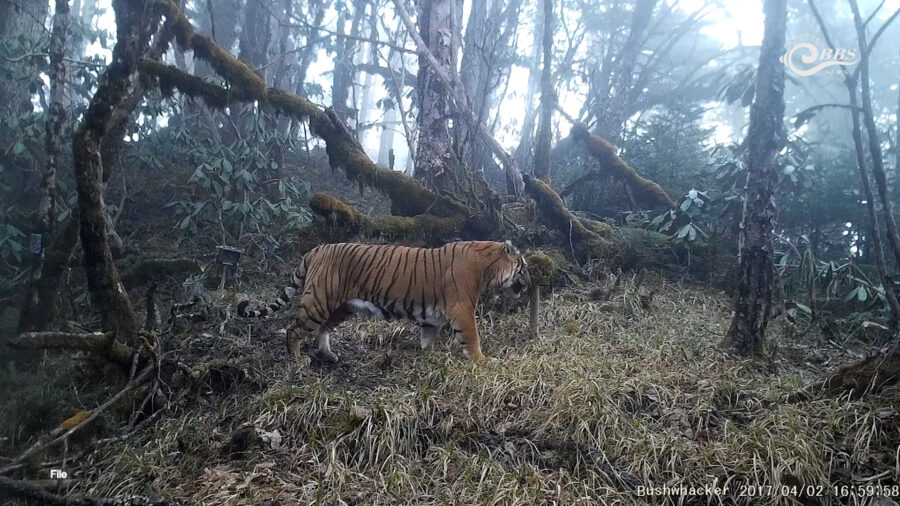
 Bhutan is home to 131 tigers, but their presence also brings challenges for communities living near the forests. They continue to lose their livestock. A Human-Tiger Co-existence Challenge is bringing together teams of Pelsups to develop practical solutions that could help people and tigers share the same landscape.
Between 2020 and 2024, Nubi gewog in Trongsa alone reported 360 cases of livestock killed by tigers. For communities living alongside tigers, conflict can mean losing livestock and income.
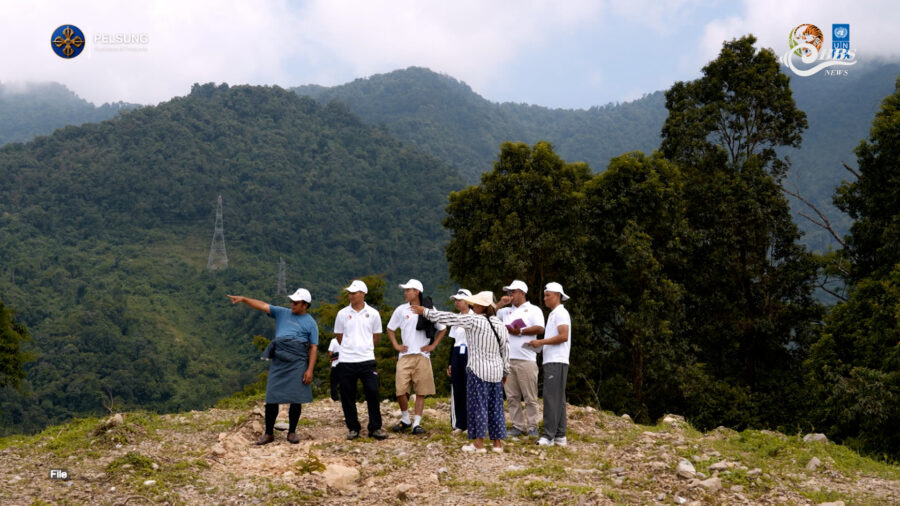 Four teams spent two weeks in communities across four districts. The field experience helped shape their proposals.
And today, the Pelsups are back, equipped with ground knowledge and maybe new ideas.
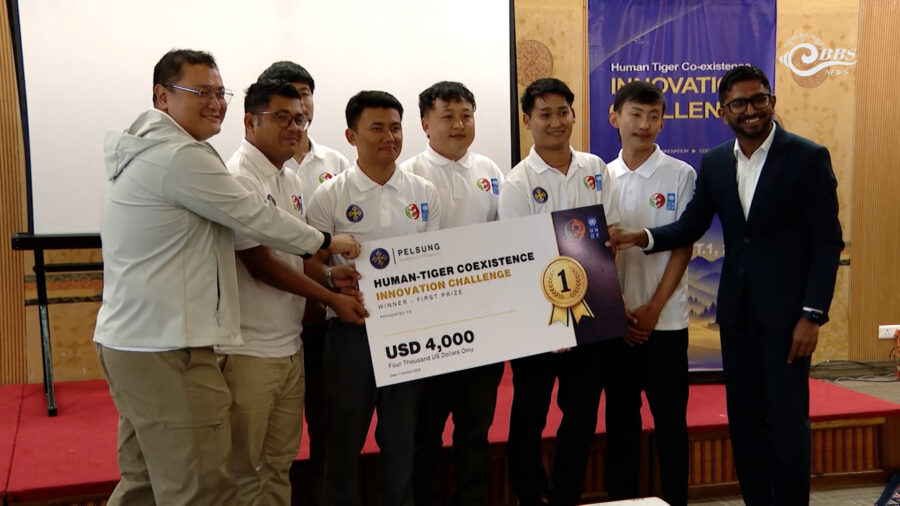 Team Both Belong won the challenge. Their idea focused on reducing the dependence on livestock. The team wants to help farmers become producers. The idea is to buy those raw materials and sell local products online. They will also have a website to collect donations for those affected.
“There were gaps in insurance policies, reporting systems and physical barriers such as electric fencing. But the biggest gap we noticed was in livelihoods. Our solution mainly targets villagers’ livelihoods. We want to improve their income so they do not have to depend heavily on cattle. We want to turn villagers into producers,” says Rangjung Dorji, from team Both Belong.
The runner-up team, Coexistence 10X, idea stood out for its practical approach to tiger conservation.
“We plan to restore tiger habitats, develop pastures and put up fencing so cattle do not enter tiger corridors where conflicts occur most,” said Bishnu Lal Biswa from team Coexistence 10X.
They were assessed on evidence, feasibility, sustainability and how their ideas could work in real communities.
“The whole purpose was to send them into communities for two weeks, understand their concerns about tigers and co-create solutions with them,” said Phub Dorji, Executive Director of Pelsung.
Organisers say the challenge was also about bringing young people and communities together to address human-wildlife conflict.
“We need creative thinking and innovation to address age-old problems. This challenge brought young people and local communities together to develop solutions to human-wildlife conflict,” said Fadhil Bakeer Markar, Deputy Resident Representative of UNDP Bhutan.
For the winners, the next step is to test whether their ideas can help people and tigers live safely alongside each other.
Anita Chhetri
Edited by Passang