
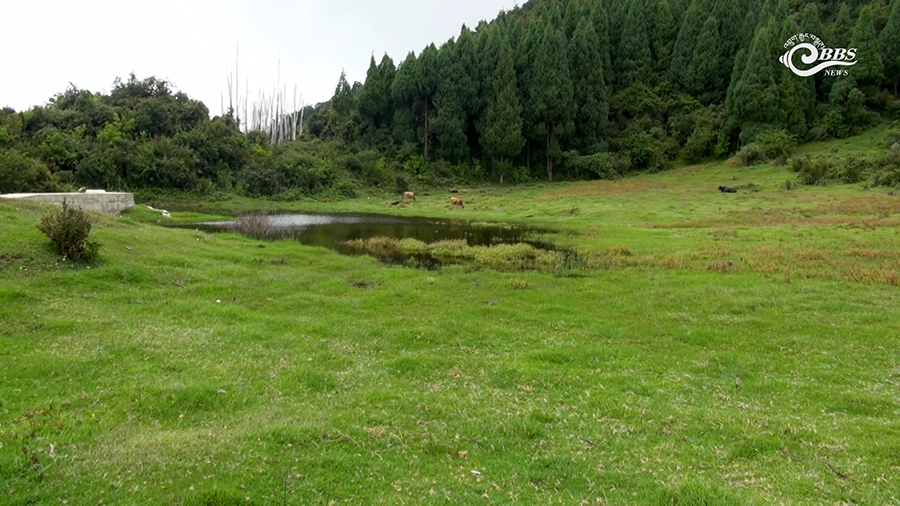
 A drying water source in Yangnyer Gewog, Trashigang, is showing signs of life again. Namtsang Tsho is holding more water, and some dried-up springs are beginning to flow, bringing renewed hope to communities that have faced water shortages for years.
After years of water shortages, residents say Namtsang Tsho is holding more water and some dried-up springs are beginning to flow again.
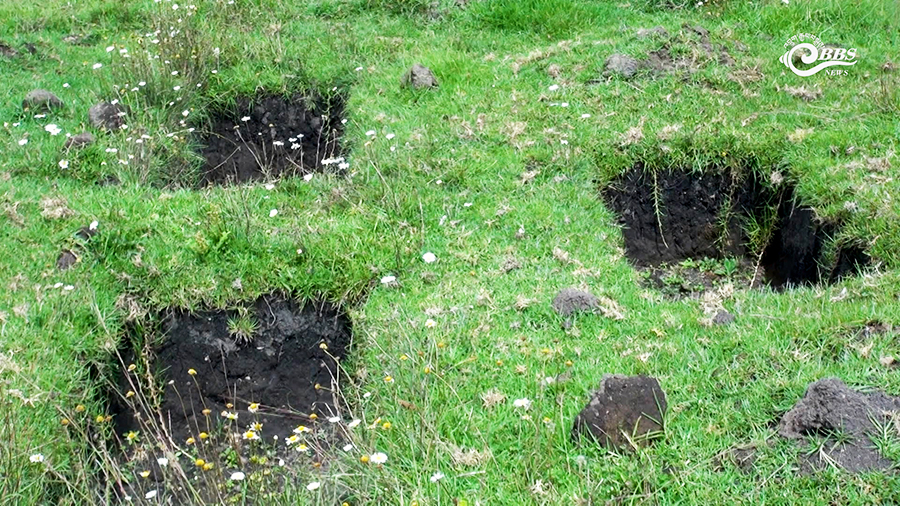 The revival began nearly five years ago, with ponds and trenches built on the hills above the village to store rainwater and help recharge the water source. Around 1,000 ponds and trenches have now been constructed in the upper mountain area.
This year, a retaining wall was constructed at Namtsang Tsho to help prevent water from flowing away quickly.
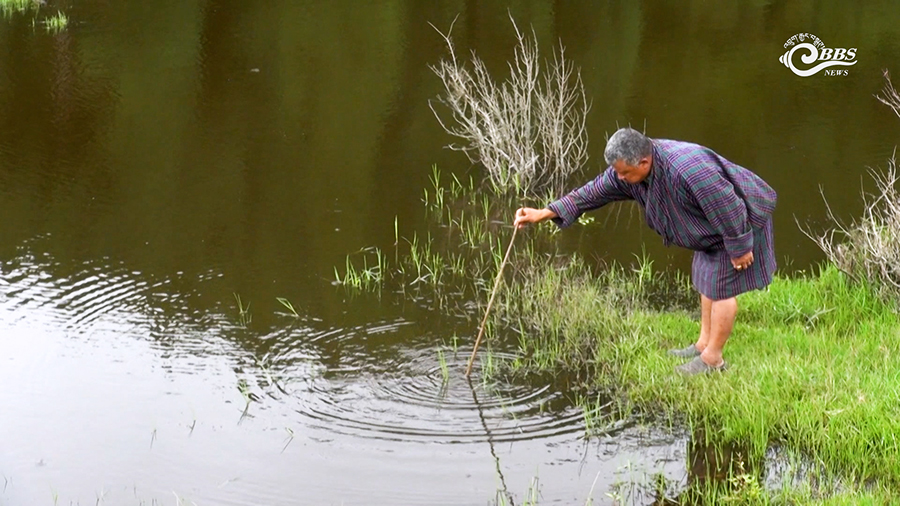 Residents say the impact is already visible. The lake is holding more water than in previous years, and a small amount of spring water has returned to some previously dried sources.
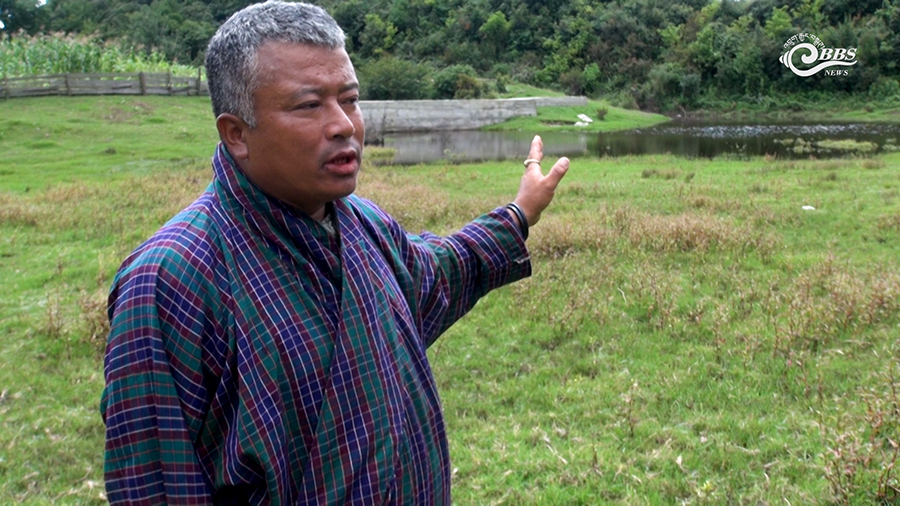
“Earlier, there was no retaining wall, so whenever it rained, the water would flow directly down the valley. After the ponds were constructed, we noticed an increase in the water level over the past few years. The water level of Namtsang Tsho has also increased compared to last year,” said Wangchuk, a resident of Yangnyer Gewog, Trashigang.
Namtsang Tsho was once the main source of drinking water for communities in Yangnyer. But as the lake started drying up more than a decade ago, the springs that supplied water to nearby villages also began to dry up.
To provide an alternative water source, the gewog provided water from Jamkhar Drang nearly three years ago.
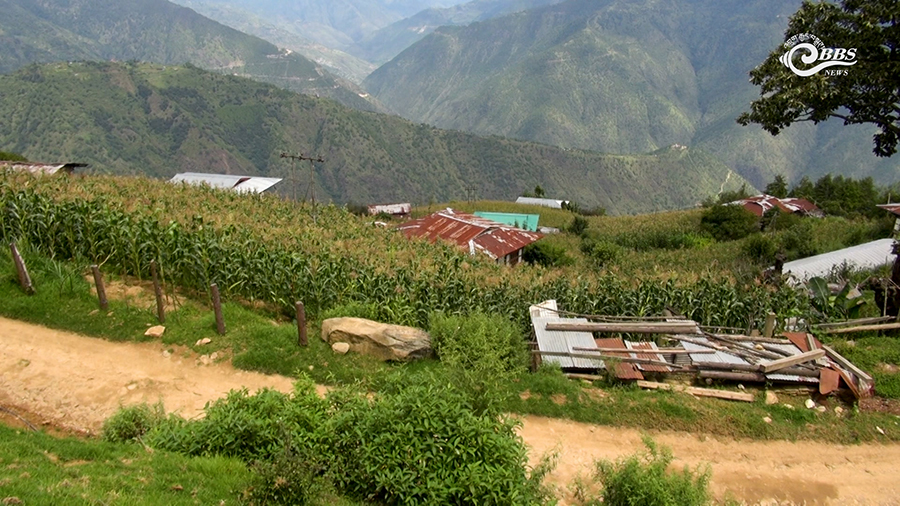 More than 150 households across four chiwogs now depend on the supply.
“If we did not have the current water supply, we would suffer a lot. However, the existing water supply also has problems. Since the water source is far away, we have to go through the deep forest, and sometimes frost damages the water pipeline, disrupting the supply,” said Ngawang Lhamo, another resident.
“Without a water supply, we cannot work properly. Even vegetables cannot grow well without sufficient water. Cardamom also does not grow well without water. The pods remain small and contain very few seeds. But with a good water supply, the cardamom fruits grow bigger and are filled with seeds. And if we get a water supply from our previous sources, I think that will benefit our children,” said Sanjay Choden, also a resident.
The revival is part of a pilot project aimed at reviving water sources through spring-shed management.
The Watershed Division under the Department of Forests and Park Services started the project in 2022. Since 2024, the Department of Water, under the Ministry of Energy and Natural Resources, has managed it in collaboration with ICIMOD.
For communities that have lived with water shortages for years, the returning water is more than a sign of revival. It renews hope for a more secure water supply.
Sonam Darjay, Trashigang
Edited by Sonam Pem