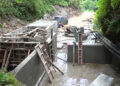
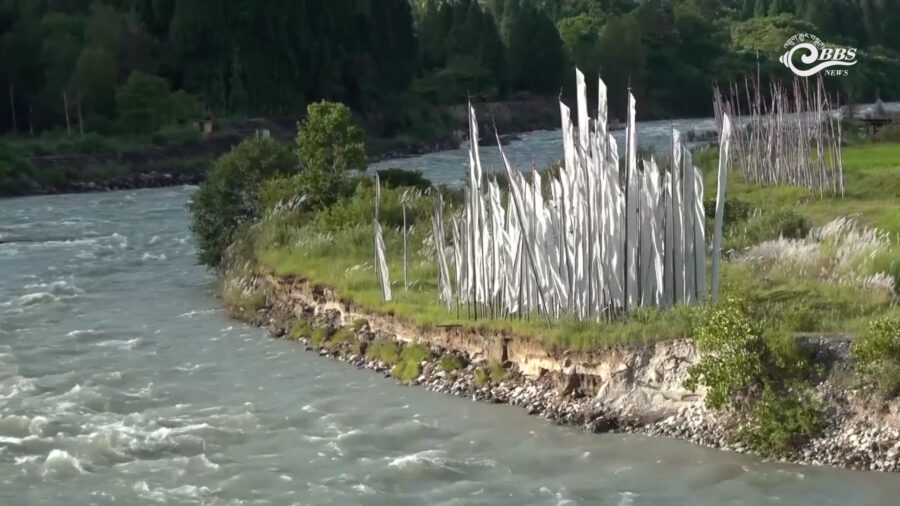
 More than a thousand people living along the Phochhu and Punatsangchhu rivers in Punakha have been reminded of what to do in the event of a Glacial Lake Outburst Flood. The awareness programme comes as potentially dangerous glacial lakes in Lunana continue to pose a risk to communities downstream. However, with a GLOF potentially arriving with little warning, officials say preparedness at the community level could make the difference between safety and disaster.
Phochhu is part of everyday life for people living along its banks. But upstream, beyond the settlements and deep in the Lunana mountains, lies a chain of glacial lakes that could pose a threat downstream.
Nine potentially dangerous lakes are located above the source of the Phochhu. Among them are Thorthormi and Raphstreng, two of the country’s major potentially dangerous glacial lakes.
The lakes are closely monitored. However, climate change is causing glaciers to retreat and altering conditions around glacial lakes, which can increase the risk of Glacial Lake Outburst Floods.
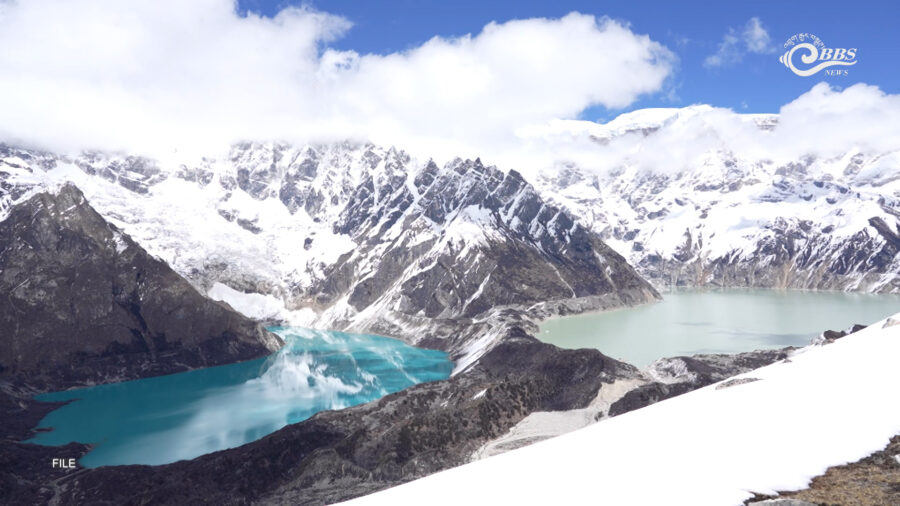 Thorthormi is considered one of the more susceptible lakes in the Lunana glacier complex. A 2023 study found it had the highest GLOF susceptibility score among the four lakes assessed in the area.
Studies on the Lunana glacier complex found that potential GLOFs could affect more than 16,000 people, along with infrastructure and agricultural land extending as far as 150 kilometres downstream.
The flood could reach the Punakha area in about six hours after the breach begins.
Officials say the exact scale and impact of a future GLOF, however, would depend on the size of the outburst and conditions at the time.
“From our perspective, we consider all nine lakes above the Phochhu to be potentially high-risk,” said Tshering Dorji, Department of Local Governance and Disaster Management’s programme officer.
“All these lakes are connected in a chain system. If one lake bursts, the floodwater could enter another lake and potentially trigger an outburst there as well. Therefore, we cannot determine which lake poses the highest risk, as an incident could occur from any of them. This is the main reason we are conducting awareness programmes, keeping this risk in mind and ensuring that the public is better prepared.”
The risk becomes particularly important during the monsoon, when heavy rainfall can increase river flows and add to the potential triggers of sudden flooding.
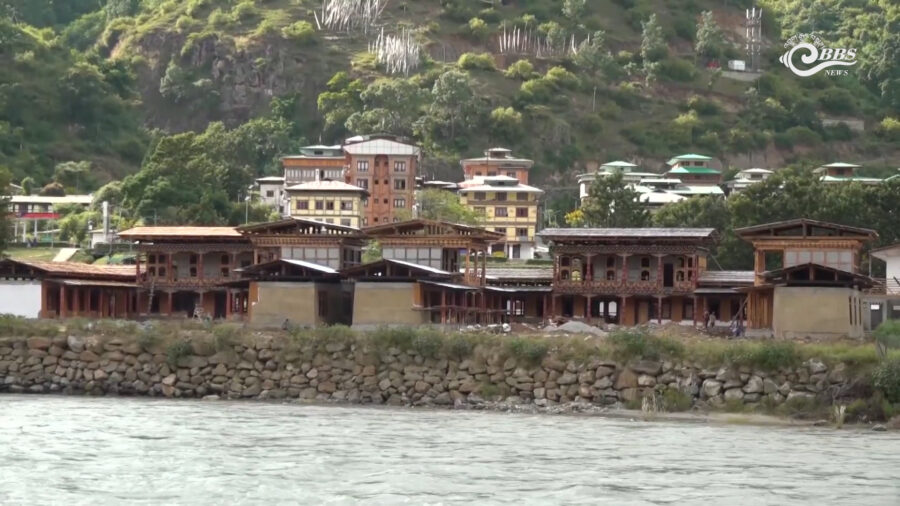 For communities living in this flood path, preparedness is therefore critical. So, the authorities conduct GLOF awareness programmes in Punakha every year.
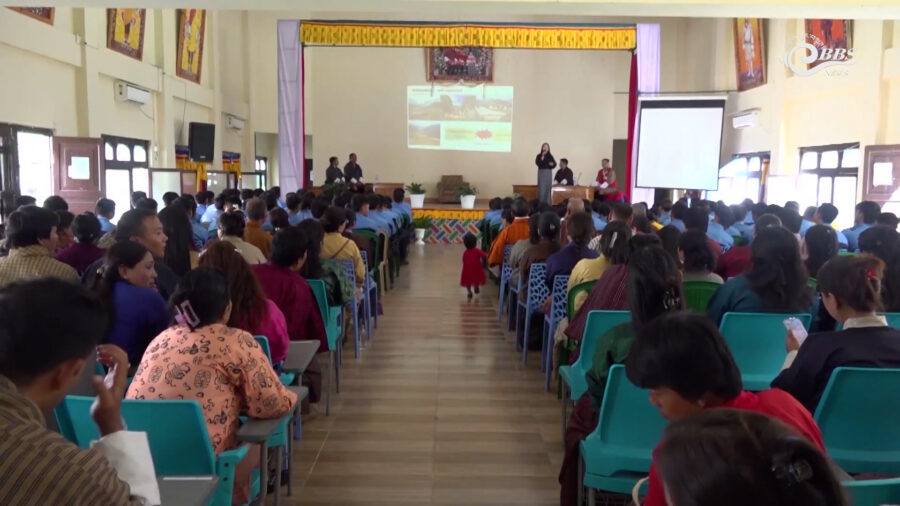 This year, officials from the Department of Local Government and Disaster Management, together with the Bhutan Red Cross Society and Punakha District Administration, conducted the advocacy programme at three locations in Punakha.
They were briefed on evacuation locations, transportation arrangements, communication networks and what they should do if a GLOF warning is issued.
Tshering Dorji said, “Many communities are living along the river. We are also creating a group called the ‘Community Support Group,’ led by the Chiwog Tshogpa. This will enable reliable community members to inform others and help them evacuate to safer places immediately after receiving information about a GLOF. We have also created a WhatsApp group and shared our contact numbers so that we can communicate quickly in case of an emergency.”
As part of the programme, residents also took part in an evacuation mock drill, allowing communities to practise how they would respond if a GLOF warning were issued.
Similar advocacy and awareness programmes will also be conducted for people living along the rivers in Wangdue Phodrang, as usual.
Preparedness cannot be limited to those living in high-risk areas. Every community should know where to go, whom to contact and what to do when an emergency strikes. Because when a disaster happens, knowing what to do and acting quickly can save lives.
Changa Dorji, Punakha
Edited by Sangay Chezom