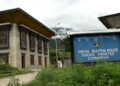
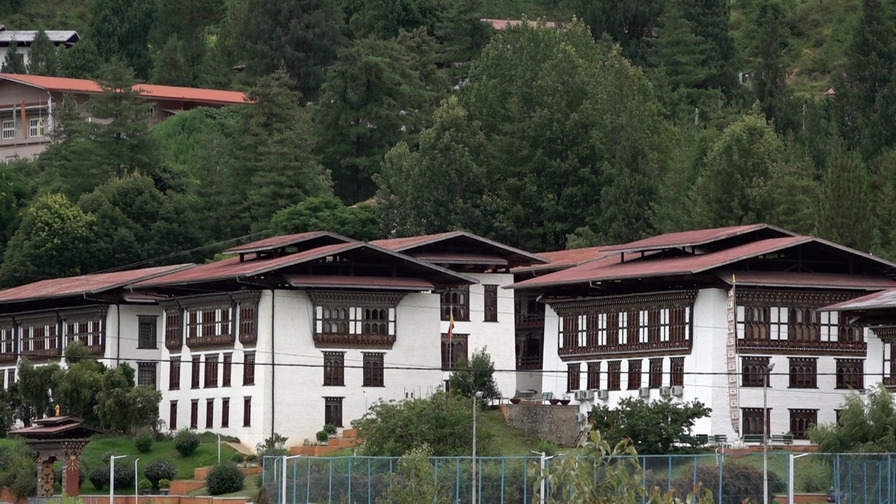
 Only ten B.Ed Primary Dzongkha graduates will be recruited into the education system through the civil service exam this year. This is the lowest number of vacancies announced for this group in the past five years. This year, there are 69 graduates from this programme in Paro College of Education.
Paro College of Education admits around 70 students each year into the B.Ed Primary Dzongkha programme. They have been doing so for the past seven years. The intake has remained relatively stable, based on projected teacher requirements and the employment trend over the years.
However, the latest vacancy announcement by the Royal Civil Service Commission has raised concerns among the graduates. There are only 10 vacancies this year.
In 2021, there were 50 vacancies. It went down by five in 2022.
The number increased sharply to 120 a year later, before crashing down to 30 in 2024. Last year, 35 vacancies were announced.
This year, however, the number has dropped drastically to just 10.
The graduates requesting anonymity said the announcement has left them uncertain about getting a job.
“There are around 70 graduates this year. But some graduates from last year will also compete with us, which increases the number to around 100 graduates taking the exam this year. We studied with the hope of becoming a teacher one day. But the vacancy has made us feel that there is very little opportunity for us.”
“There is a high risk of not getting a job. No matter how many different jobs we may take up, 30 to 40 per cent could still be left without employment.”
Graduates are now hoping that some changes might come through before the recruitment process is finalised.
Meanwhile, the Royal University of Bhutan did not anticipate the sharp decline. The university said student intake has been determined based on projected trends over the past several years, when at least 30 vacancies were generally announced for graduates. If the trend continues, it might have to make some changes.
Upon inquiry, the education ministry informed the college that there is currently no requirement for additional Dzongkha teachers. The college says it will hold internal discussions on the intake from next year and consult the Ministry accordingly.
The university and the college have in the past requested the Ministry to provide projections of teacher requirements. However, it could not be worked out due to the attrition of teachers, which has made it difficult to accurately project future teacher requirements.
During a Meet-the- Press session, the education minister also shared that some districts have more Dzongkha teachers than needed. We are yet to receive an official response from the ministry regarding the matter.
While reducing the intake of B.Ed Primary Dzongkha students may be one option being considered, the immediate question remains: what happens to the graduates who have already spent four years training to become Dzongkha teachers? With only 10 vacancies for 69 graduates this year, the larger question is whether students should bear the consequences of an unanticipated change in the job market.
Sonam Yuden
Edited by Tandin Phuntsho