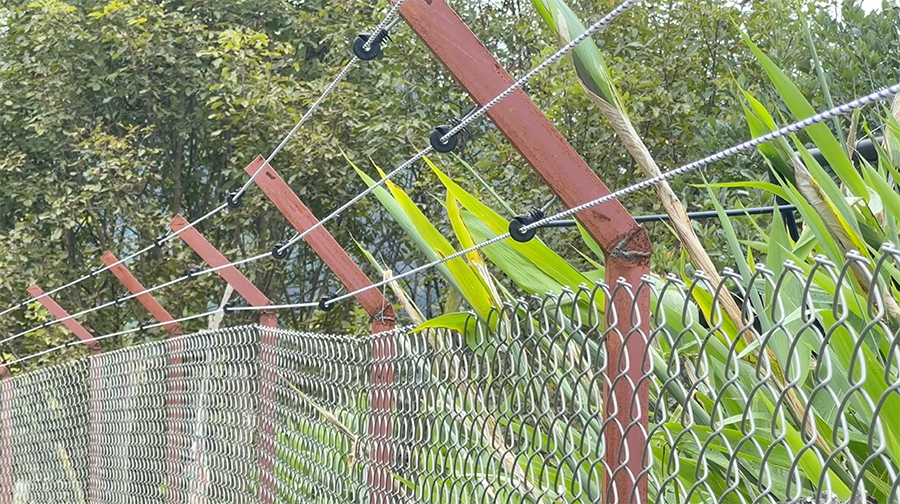
 A fence designed by farmers themselves is helping protect nearly 58 acres of farmland at Wangmakhar in Monggar from wildlife. The chain-link fence, combined with a low-current electric line, is keeping even monkeys out. With crop production nearly doubling this year, farmers are now looking to expand cultivation.
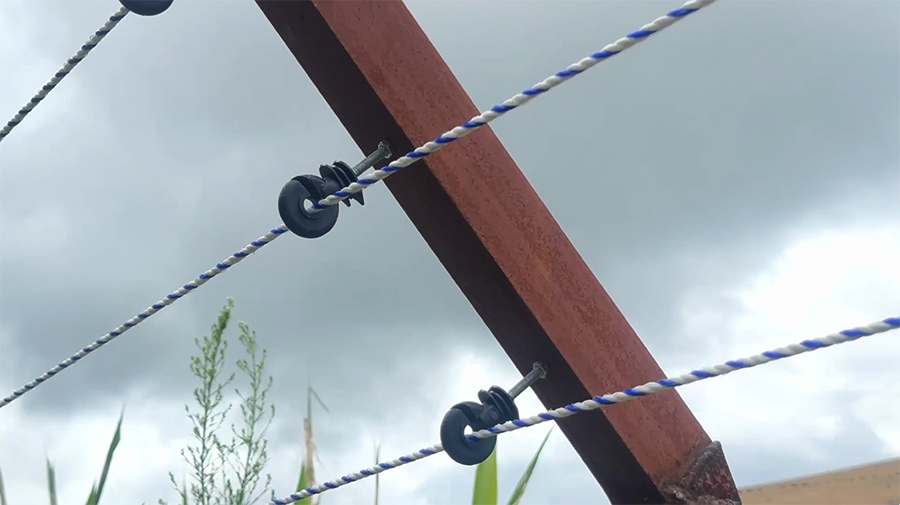 The farmers and the district’s agriculture sector gave the chain-link fence a design no ordinary fence has. They have bent the top of the fence outward and welded it themselves, after one member with welding skills offered to do the work.
The outward bend defeats the fence’s most persistent intruder: monkeys. They can no longer climb over the top.
A rust-free polymer wire runs along the bent section, carrying the electric current and adding another barrier for animals trying to get across.
“While we were building the fence, we discussed it and decided to make it strong,” said Ngawang Jamyang Dorji, a resident of the village. “We spent from our own pockets to improve it. One of our members knew how to weld, so he did the bending and welding work. We spent almost Nu 200,000 on this improvement.”
“As of now, no wild animals have attacked our farms. Recently, a troop of monkeys came very close to our farms, but they couldn’t cross the fence. It has been very effective,” said Nidup, another resident.
A solar panel powers the whole system, sending pulsed electric shocks along the line. A brief jolts of low current that scare animals off without harming them.
Gewog’s agriculture extension officer Lobzang Chophel said that the fence is more durable. “We used polymer wire, which is rust-free. It is imported from China. The electric cables also run over the chain-link fence, where there is less weed interference, so the current flows strongly. We are therefore positive that it will be effective in keeping wild animals at bay.”
The fence stretches almost four kilometres, enclosing the farmland of 56 households. The Government of India funded the fence, at a cost of over Nu 4.5 M, with beneficiaries contributing the labour.
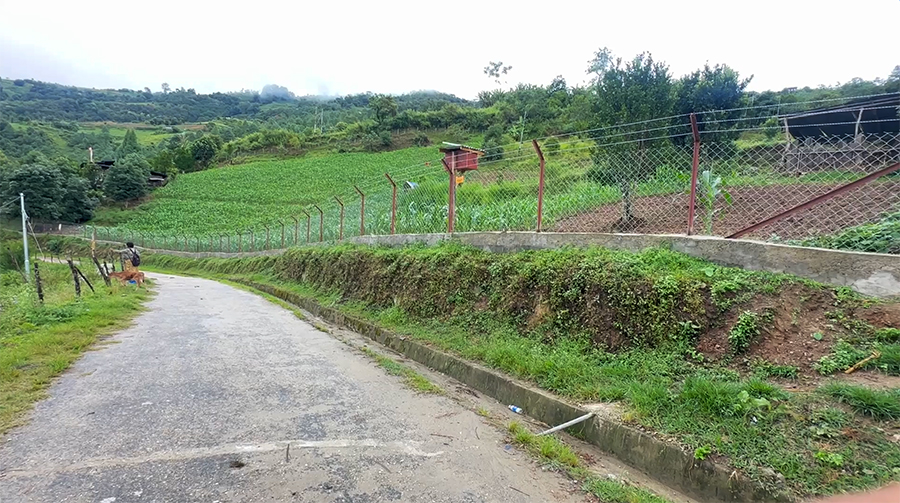 Wangmakhar is one of the vegetable-producing hubs in Chhali gewog. Its fertile land and temperate-to-subtropical climate support the cultivation of maize, potatoes, cabbage and a range of fruits. But human-wildlife conflict held farmers back for years.
Even with constant guarding, wild boars, deer, porcupines and monkeys once destroyed their crops. Many farmers grew only enough to feed their own households, selling whatever surplus survived.
Ngawang Jamyang Dorji said, “In the past, if we cultivated an acre of land, wild animals damaged almost 30 decimals worth of produce. Now, only birds attack our farms, while other animals are kept at bay. Because of the fence, our production doubled this season. We also made a good income from selling vegetables and maize products.”
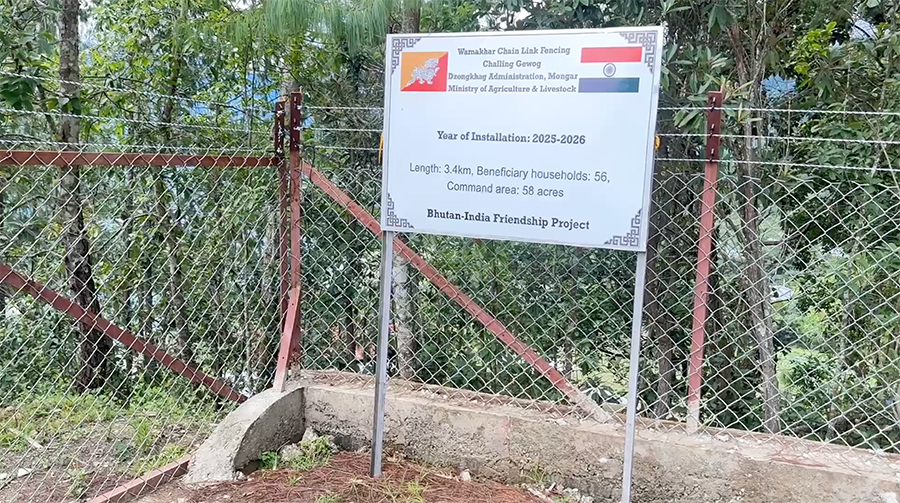 Since the fence’s recent inauguration, harvests have nearly doubled. Only birds still trouble the farms.
Dechen Tshomo, a resident, said they are looking forward to increasing cultivation now that they no longer have to worry about losing their harvest to wild animals.
“We are very happy and excited to increase cultivation on our farms. We now have a strong fence, and we are grateful to the government for that. We will increase our production,” added Nidup.
The gewog plans similar fencing across its remaining chiwogs. It has allocated Nu 9 M and secured close to Nu 30 M more from the Government of India to carry the work forward.
For many farmers, monkeys remain the toughest challenge. They climb over chain-link fences they already have. Wangmakhar’s experience suggests a fix need not be costly.
A few thousand more ngultrum, and a few more days of labour, may be all it takes to turn a chain-link fence into one monkeys cannot beat.
Namgay Wangchuk, Monggar
Edited by Sangay Chezom