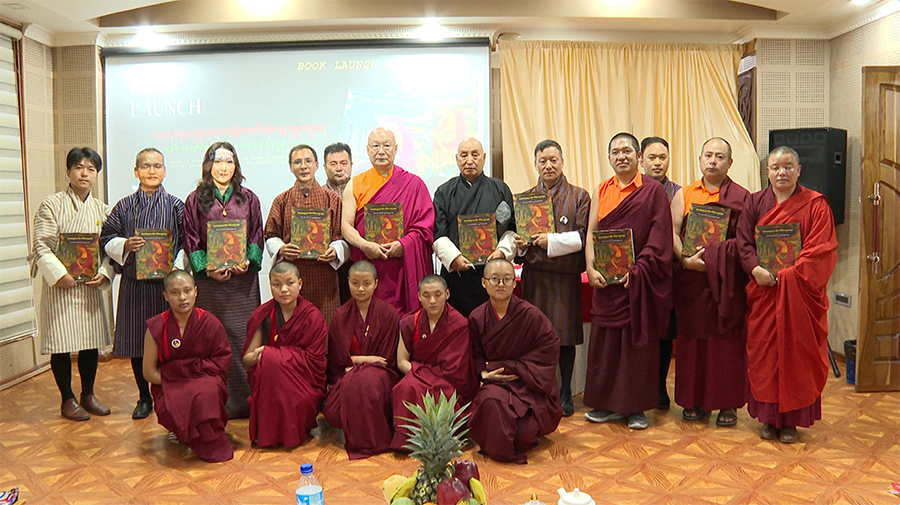
 For many rural communities in the country, conservation messages are more meaningful when they are rooted in faith and culture rather than science-backed research. Inspired by this insight, a group of Bhutanese have published a book that draws on Buddhist scriptures to show that protecting tigers begins with values people already hold. The book was launched today, coinciding with Global Tiger Day.
Long before cameras captured tigers roaming the country’s forests, they were already woven into the country’s spiritual heritage.
In many villages, respect for the animal did not begin with conservation campaigns or scientific studies. It came from stories and beliefs passed down through generations.
One of the researchers said that these traditions continue to shape how rural communities view wildlife today.

“During my research on environmental and climate change issues, I travelled to many rural communities. What I learned was that people were much easier to convince when we explained conservation through cultural and spiritual beliefs instead of talking about climate change or scientific facts,” said Dorji Gyeltshen, Researcher and Editor for the book, ‘Compendium of Traditional Wisdom on Tiger’.
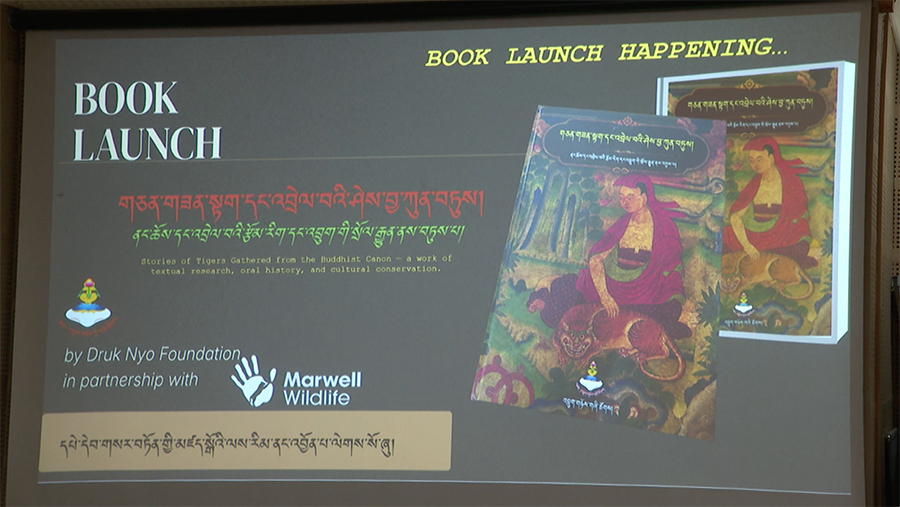 The publication by the Druk Nyo Foundation brings together Buddhist sacred texts, folklore and artistic depictions that highlight the tiger’s place in Bhutanese culture.
Rather than focusing only on the threats facing the species, the book reminds readers why the tiger has long been respected as a symbol of courage, compassion and harmony with nature.
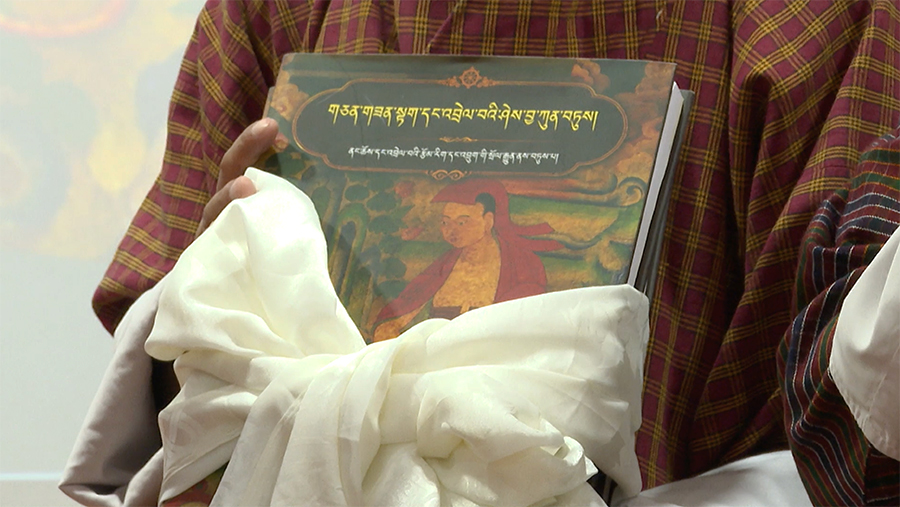 The authors hope the book will help people, including younger generations, rediscover the tiger’s cultural and spiritual significance alongside its ecological importance.
Dorji Gyeltshen said, “We hope that it will help in the conservation of tigers along with scientific ways of conservation efforts. Youths nowadays are aware through modern education but cultural and spiritual knowledge is also important and I think it is also easier to create awareness through it.”
By strengthening this connection, they believe communities will be more committed to conserving this globally endangered species.
Bhutan is home to 131 tigers, according to the National Tiger Survey Report 2021-2022.
For the country, tigers are a living symbol of the country’s faith, culture and wilderness.
As the nation works to safeguard the elusive big cat, this new book offers a reminder that conservation is strongest when it is rooted not only in science and policy, but also in the stories, beliefs and values that have guided Bhutanese society for generations.
Sangay Chozom
Edited by Phub Gyem