
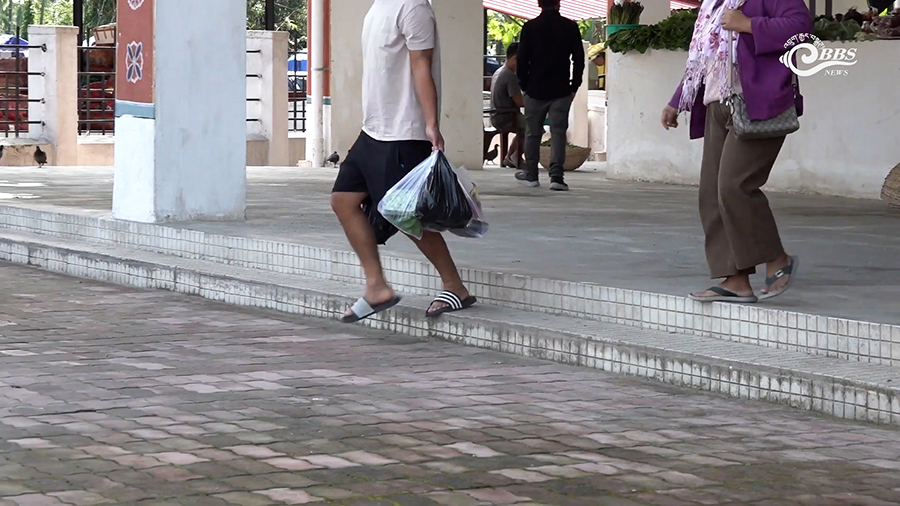
 Every day, thousands of transactions take place in Gelephu’s markets and shops. And for many shoppers, one thing has become almost automatic: asking for a plastic carry bag. But as Gelephu works to reduce plastic waste and promote sustainable practices, changing this everyday habit is proving to be one of the major challenges.
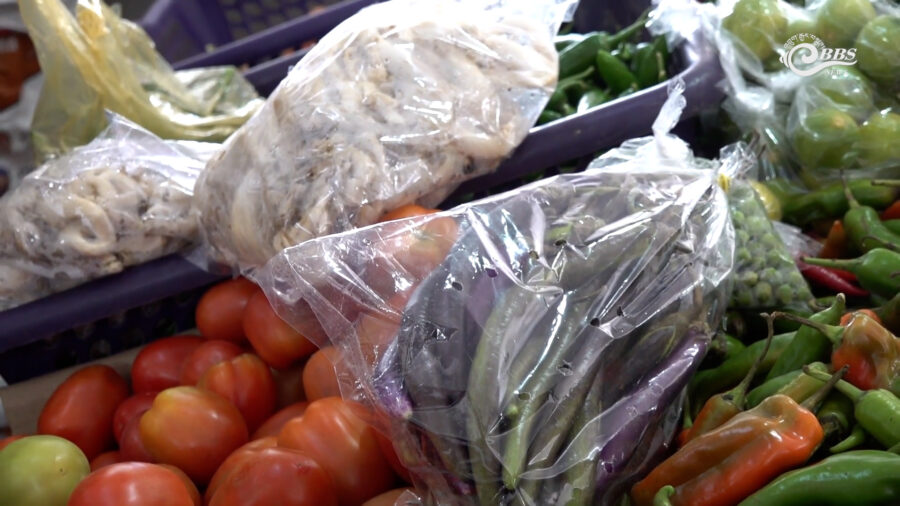 At Gelephu’s Bounty Market, buying vegetables often comes with one simple expectation: a plastic carry bag. But vendors say breaking this habit has not been easy.
Many customers still expect plastic bags with every purchase, and some even choose to buy elsewhere when vendors do not provide them.
“Customers often ask us how they will carry goods if we don’t provide plastic bags. Some even refuse to purchase from us because we don’t offer plastic carry bags, which affects our business. We are trying to encourage customers to bring their own reusable bags whenever they come to the vegetable market,” said Zongkey, a vendor.
“We spend around Nu 1,000 worth of plastic bags just to sell our goods, and in a week, our spending on plastic can go up to around Nu 7,000. Only a few customers bring their own bags. When we refuse to provide plastic bags, some customers say they will buy from other vendors who still provide them for free,” said Loday Jamtsho, also a vendor.
However, some vendors say alternatives may not always work for every product.
“Promoting reusable bags to reduce plastic use is a good initiative. We can carry vegetables and other goods in reusable bags, but for items like meat, it becomes difficult because it can affect other items. Plastic is harmful, but sometimes we feel it is still necessary,” said Chimi Dorji, another vendor.
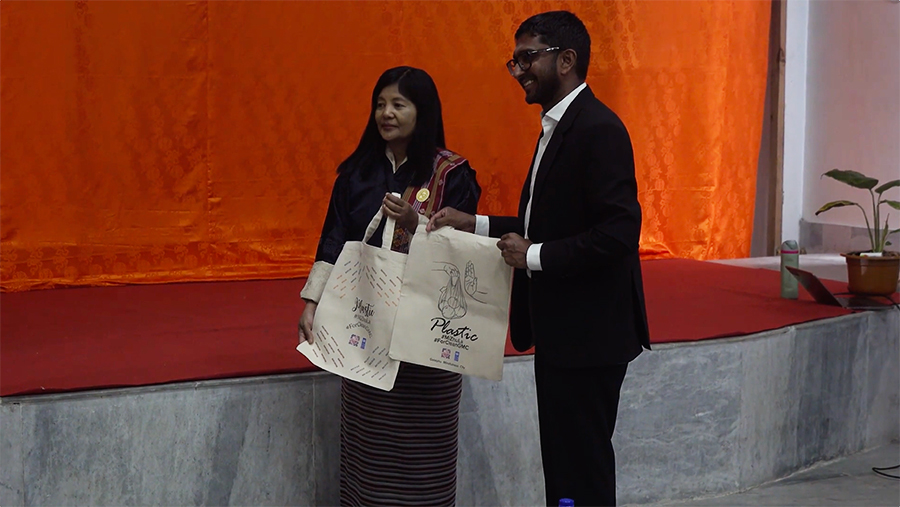 Changing this mindset is now at the centre of a new effort by the Gelephu Mindfulness City Authority and the United Nations Development Programme.
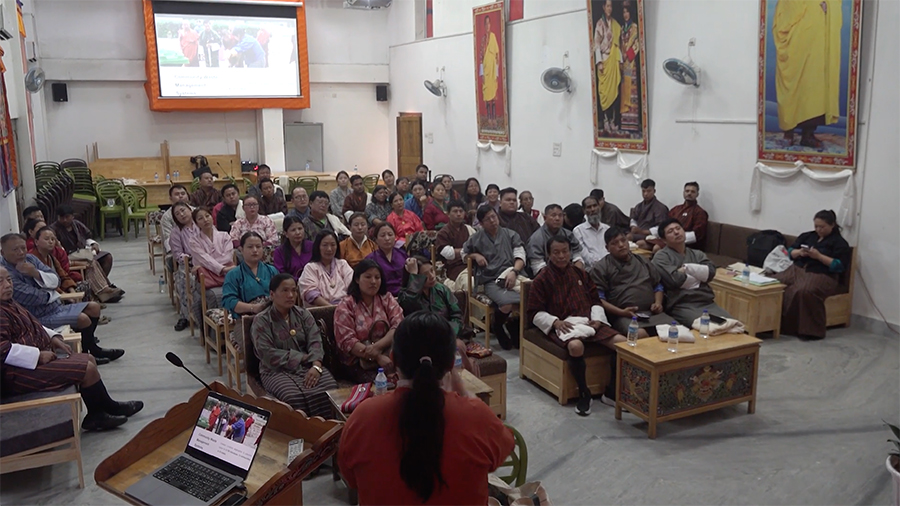 Over the past three days, more than 250 participants, including households, monastics, businesses, vendors, scrap dealers and waste collectors, took part in a Behavioural Change Advocacy Programme.
Instead of only classroom discussions, participants looked at their own waste habits through waste audits, practical demonstrations and group discussions. They learned about source segregation, mindful consumption and the 5R principles: Refuse, Reduce, Reuse, Recycle and Recover.
“This training is all about behavioural change, looking at how each individual can change their behaviour and contribute to overall responsibility through individual action. So this is what we are actually trying to do. And it contributes to His Majesty’s broader vision of GMC in one way of waste management and environmental sustainability,” said Fadhil Bakeer Marker, the Officer-in-Charge for UNDP Bhutan.
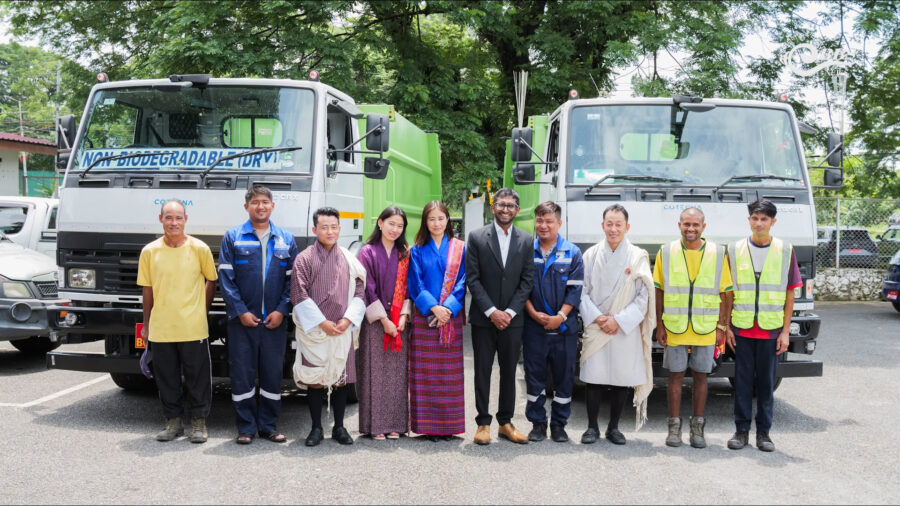 Along with awareness programmes, efforts are also underway to strengthen waste management facilities. Two new waste collection trucks have been handed over to improve collection services in Gelephu. Around 1,500 reusable shopping bags have also been distributed to vendors and residents, with another 3,500 expected next month. Plastic shredding machines are also expected to arrive in September to improve plastic recovery and recycling.
According to Gelephu Throm, about 9,500 kilograms of waste are generated every day. And while better infrastructure and technology will help manage this growing waste challenge, officials say the success of a plastic-free Gelephu will ultimately depend on one simple change: the daily choices people make.
Passang Dorji/Karma Wangdi, Gelephu