 The health of the soil beneath our feet can determine the quality and quantity of food on our plates. But soil degradation, climate change and air pollution are putting pressure on food production. At the Asia Visionary Summit, experts stress the need to protect soil health, particularly as Bhutan works to strengthen its food security.
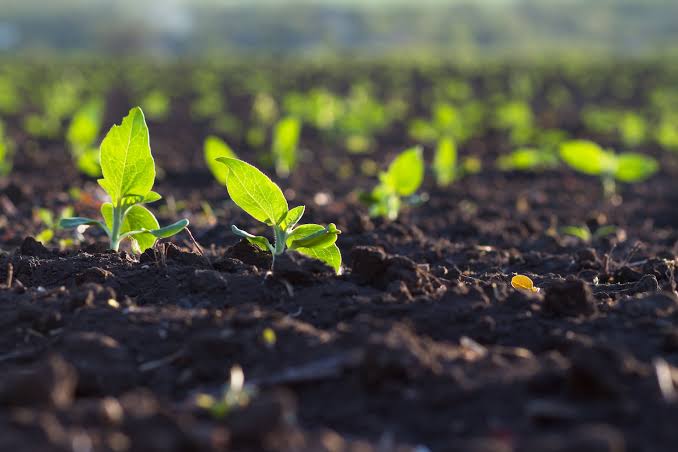
Soil is more than just the ground where crops grow. It is a living ecosystem that plays a vital role in food production. However, climate change and soil degradation are increasingly threatening this foundation of agriculture.
 For Bhutan, protecting agricultural land is particularly important, as only about three per cent of the country’s total land area is classified as arable land.
Experts say improving soil health requires greater awareness among policymakers, farmers and the wider community. They also stressed the need for investment in research and practical solutions that farmers can apply in the field.
Lucrezia Coan, Soil and Natural Resource Management Expert at the Food and Agriculture Organisation (FAO), said scientific information and research findings need to be made accessible and adapted to local conditions before being translated into practical guidelines for farmers.
In Bhutan, where soil erosion remains a concern, she recommended practices such as terrace farming and agroforestry to reduce erosion and protect farmland.
Besides climate change and farming practices, air pollution can also affect soil quality. Pollutants released into the atmosphere can settle on farmland, contaminate the soil and eventually enter plants and the food chain.
Poor soil health can affect not only the quantity of agricultural produce but also its quality and market value.
“If the soil is degraded, it doesn’t have the capacity to produce a lot, but also doesn’t have the capacity to produce up to quality standards that the market demands. For example, if we have compacted soil and we are planting root crops like carrots, carrots can end up deformed. If they are deformed, they have a lower value in the market,” said Lucrezia Coan.
The concerns come at a time when food security faces growing challenges from climate change and geopolitical tensions. Climate-related disruptions can affect agricultural production, while instability can interrupt international food supply chains. For countries that depend on imports, this can make access to food less certain.
Ken Shimizu, Deputy Regional Representative of FAO, said climate change, including the impact of El Niño, could reduce agricultural productivity and production, worsening food insecurity in already vulnerable countries.
“We know that we have these countries where the impact of El Niño, all of this climate change, is going to result in, you know, reduced agricultural productivity and production, and coupled with all these compounding effects, unfortunately, in countries where there is already severe food insecurity,” he said.
Experts say protecting soil health must therefore be a shared responsibility. Beyond sustainable farming practices, proper waste disposal and efforts to prevent pollution are also essential to keeping soil healthy.
Safeguarding soil health is vital to sustaining agricultural production and strengthening Bhutan’s food security.
Singye Dema & Karma Samten Wangda, Paro
Edited by Sonam Pem