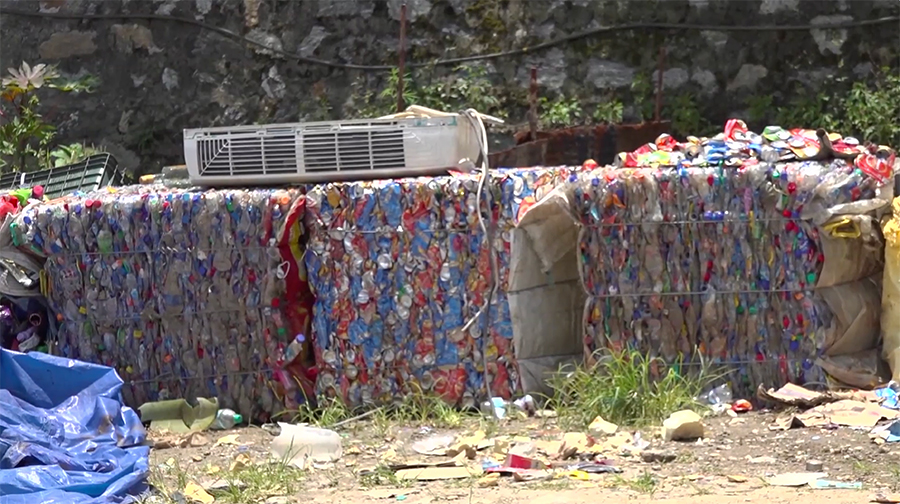
 In Punakha, some residents of Barp Gewog are literally turning trash into treasure. They have found an alternative source of livelihood in becoming scrap dealers. They collect and recycle trash, advocate for proper waste management and contribute in their own little ways to addressing the country’s mounting waste issue, all while earning a decent income.
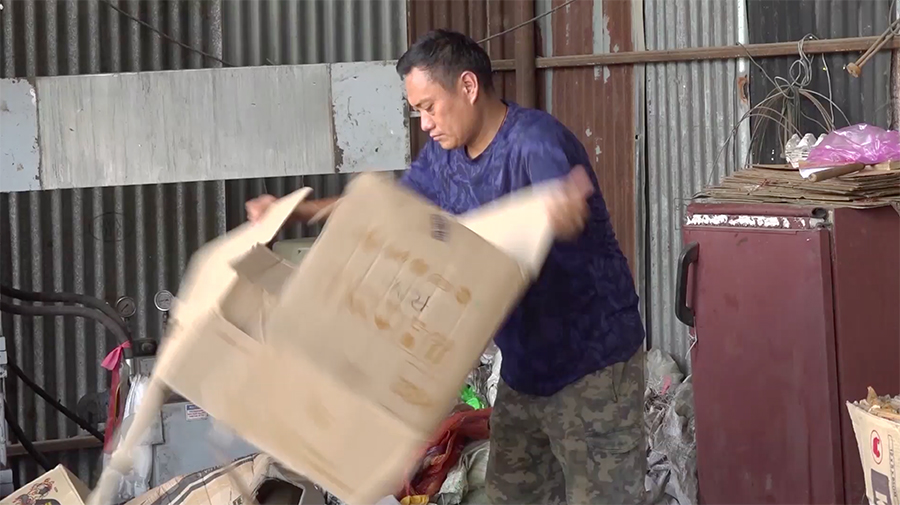 Kinley Tshering from Barp Gewog started his scrap dealing business around three years ago, collecting trash from within Punakha and Wangdue Phodrang.
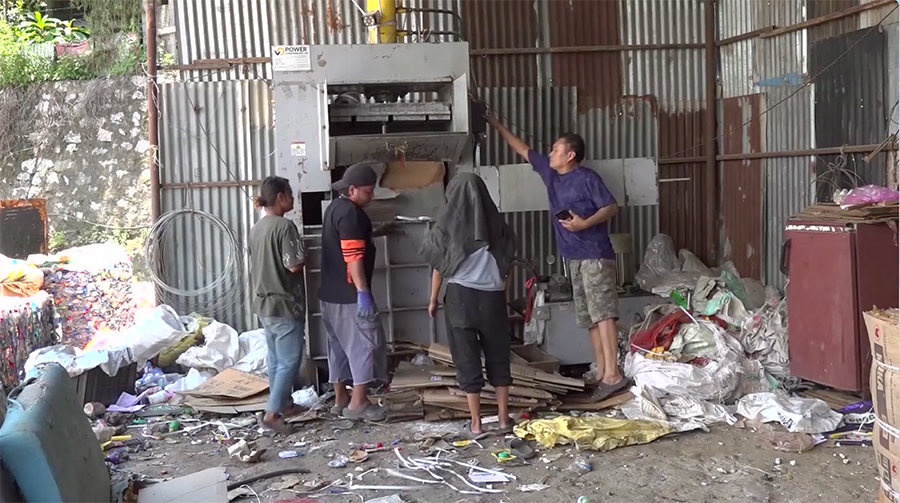 Today, the 42-year-old owns Lobesa’s Waste Management and Scrap, a centre that employs eight individuals.
The father of two did not just collect trash. Along the way, he also raised awareness about proper waste management.
And that advocacy is paying off. Kinley and his team rarely have to go out collecting trash. Recognising both the financial and environmental benefits of recycling, locals collect and drop waste at the centre.
The centre takes in carton papers, beer bottles and cans, PET bottles, and scrap metal.
The collected materials are sorted and compressed using a compressor machine. While most of it is transported to Phuentshogling for export, some paper cartons are sold at a local egg tray manufacturer in Wangdue Phodrang.
Kinley earns around one hundred thousand ngultrum monthly.
Kinley Tshering said, “Earlier, people did not pay much attention to plastic waste such as PET bottles because there was little value in collecting them. As a result, we used to see wastes scattered in our communities. Over the past three years, we have raised awareness and collected waste from various locations. Now, people are well aware of our business and no longer litter as they did before. Instead, they collect recyclable materials and bring them to our centre to sell.”
To keep the operation clean, Kinley says the centre strictly inspects materials brought in for sale to prevent the trade of stolen items.
“We have full support from the police here. We have been thoroughly briefed and given enough awareness. They told us to refrain from buying any kind of government-owned scraps. There is a high risk of people bringing in stolen properties as well. So, we do not buy such suspicious items,” added Kinley Tshering.
And Kinley is not the only scrap dealer in Barp Gewog.
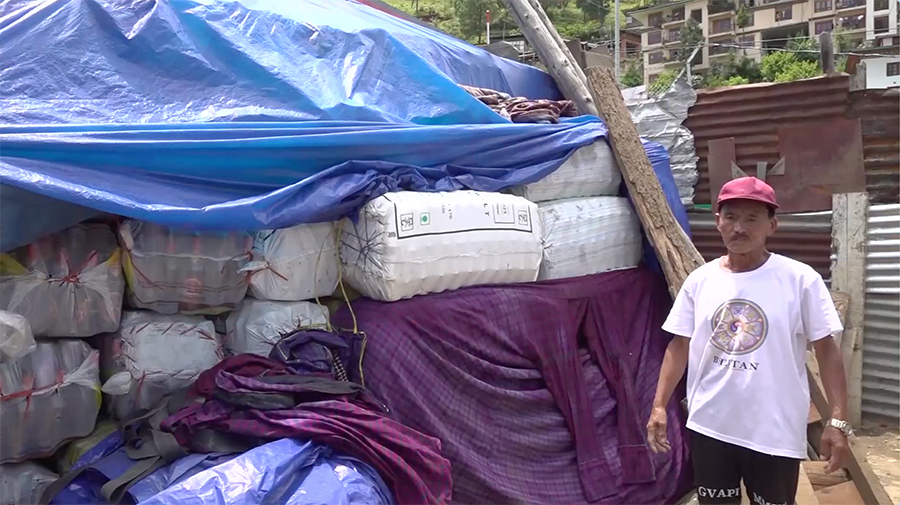 56-year-old Karma has been in this business for around 15 years. It has helped him raise all five of his children.
Karma said,”I have five children to support, so I depend entirely on the scrap business to run the family. This business helps me cover all expenses to raise my children. By collecting scraps, we are also helping to keep the community clean.”
Besides earning enough for their families and contributing to waste management, they have also been creating job opportunities for others.
“I have been working here for about two years. I earn a monthly salary of Nu 30,000. Now, I have also learned to pack beer bottles, sort tins and iron scraps, and package recyclable materials. My monthly salary helps cover my family’s expenses,” said Kencho Namgay, an employee with the Waste Management and Scrap.
While waste management issues at the national level can look like a huge challenge, these local scrap dealers in Punakha do not see it that way. They saw a need, they saw an opportunity, and they went to work. It turns out, the secret to cleaning up the country is also just about a handful of people doing their part, right where they stand.
Changa Dorji, Punakha
Edited by Phub Gyem