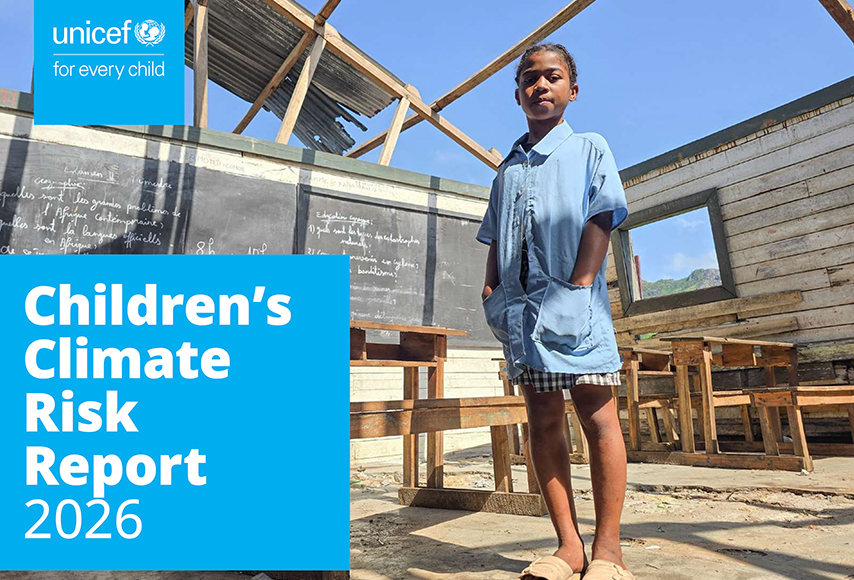
 Nearly nine in 10 Bhutanese children are exposed to at least one climate hazard. According to UNICEF’s latest Children’s Climate Risk Report 2026, such risk for Bhutan stems primarily from its unique geography and structural constraints. The report estimates that Bhutanese children are mostly exposed to droughts compared to other hazards, such as floods, extreme heat, fire, and storms.
According to the report, 85.69 per cent of Bhutanese children are at risk of being exposed to droughts, making it the most widespread climate hazard affecting children.
In addition, 15.84 per cent of children are at risk of being exposed to fires, while 3.85 per cent face the risk of severe flooding.
Beyond these hazards, the report warns that air pollution, also influenced by climate change, remains a significant threat to all children across Bhutan.
According to UNICEF, children are more vulnerable to climate hazards due to their developing bodies and inability to cope with disasters on their own.
Altogether, 89.6 per cent of children are exposed to at least one climate hazard, while 19.6 per cent face exposure to two hazards.
Although fewer children experience the most extreme combinations of hazards, around 32 per cent are exposed to moderately high levels of combined climate risks.
Overall, Bhutan’s Hazard Exposure Score is 2.11, which is lower than that of many neighbouring countries on a scale from 0 to 10.
The report highlights that climate risk is not just about exposure to hazards; it is about a child’s access to basic needs. When a child lacks basic healthcare, nutrition, education, and protection, they become more vulnerable to these disasters.
Bhutan had a children’s vulnerability score of 3.15 out of 10 in the report.
It states that half of children (about 48%) live in severe food poverty, which affects their nutrition and health. Only four per cent of children are covered by social protection programmes.
Meanwhile, early childhood education enrolment stands at 38 per cent, and more than 1,300 children require inclusive education services.
The report also mentions the use of violent forms of discipline, which affects children’s well-being and resilience.
According to UNICEF, these factors weaken children’s ability to cope with and recover from climate-related shocks, increasing the long-term risks to their health, education, and well-being.
The report used data from multiple international agencies published in the last few years and analysed the risk to over 200,000 children under the age of 18 in the country.
It recommends that governments integrate child-centred climate action into national policies, budgets, and investment decisions, while strengthening shock-responsive social protection and essential services for the most vulnerable children.
Singye Dema
Edited by Phub Gyem