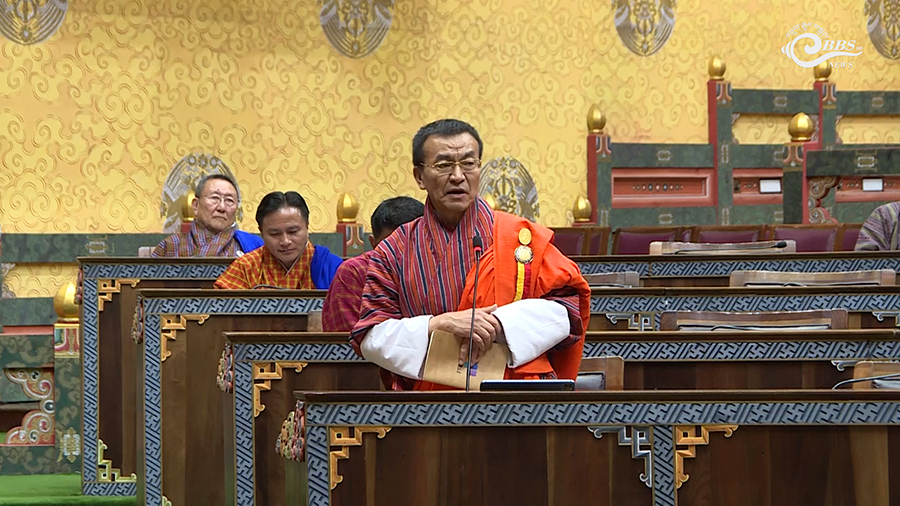
 The finance ministry will maintain the current 90% tax concession on wetlands and the 50 per cent concession on cultivated dry lands for now. Finance Minister Lekey Dorji reported this to the National Assembly today while presenting the Action Taken Report on proposed changes to the Property Tax Act of Bhutan 2022. The House passed a resolution, during the third session of the fourth parliament, directing the finance ministry to amend sections 19 and 20 of the Act.
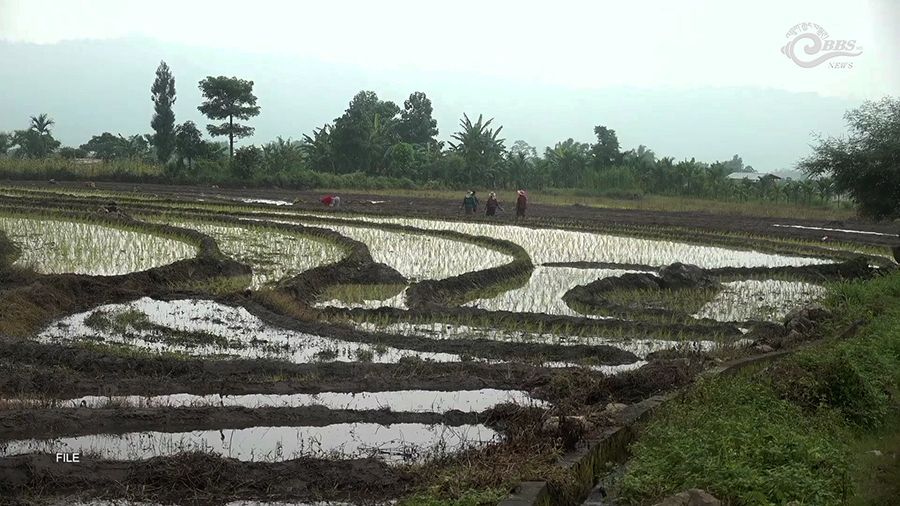 Under the existing provisions of the Property Tax Act of Bhutan 2022, land registered as Chhuzhing or wetland receives a 90 per cent concession on land tax payable. Meanwhile, land registered as Kamzhing or dryland under cultivation receives a 50 per cent concession.
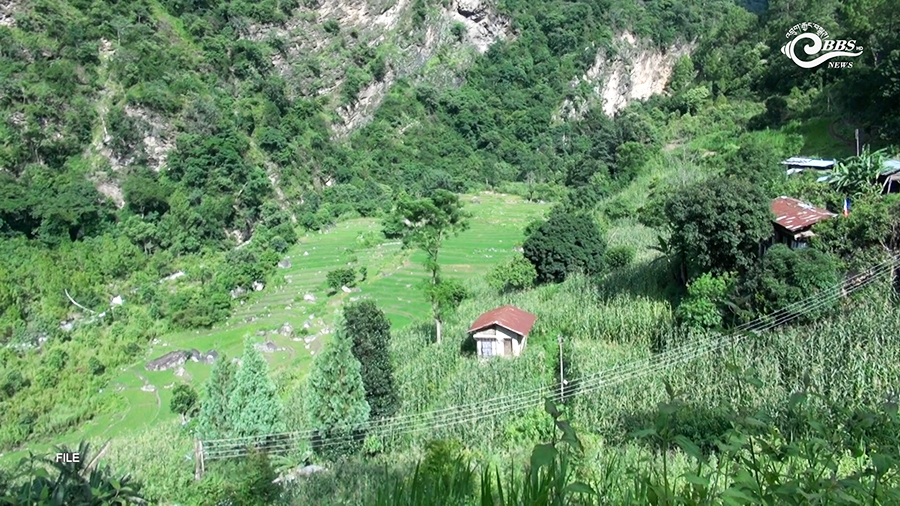 The 90 per cent concession on wetlands is regardless of whether crops are grown on it or not, whereas dry land receives no concession if it is left unused.
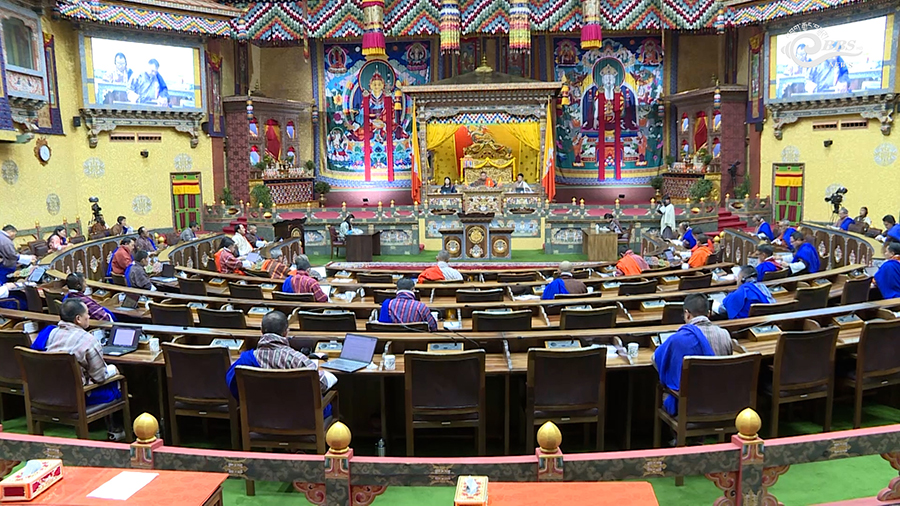 As the minister presented the Action Taken Report, MPs from regions with limited wetland said the current system places farmers in areas with more dryland at a disadvantage. They argued that agriculture in many parts of the country depends largely on dryland and called for the concession on dryland to be increased to 90 per cent.
Lhendup Wangdi, Haa’s Bji_Kar-tshog_Uesu MP, said people in his constituency have been repeatedly requesting him to push for this change. “I am not trying to imply a reduction of wetland tax concession from 90 to 50 per cent. But we would be thankful if the tax concession for dry land is increased from 50 to 90 per cent. My constituency, for example, has no wetland at all. Everyone has to rely on dry land to earn their livelihood.”
Similarly, Trashi Yangtse’s Khamdang_Ramjar MP, Namgay Dorji, said, “Not everyone has the same ownership of wetland and dry land. For example, in Haa, there are 175 acres of wetland and 4,656 acres of dry land. In Zhemgang, there are 2,681 acres of wetland and 20,293 acres of dry land. If kamzhing is taxed at only 50 per cent, Zhemgang district ends up paying extra tax, which is not fair. So, there is a need to amend the property tax.”
“The issue right now is that kamzhing is mostly found in remote parts of the country such as Haa, Lhuentse, Zhemgang and Chhukha. If we aim to develop the country by collecting taxes from high-poverty districts, can we really achieve development?” questioned Tempa Dorji, Menbi_Tsenkhar MP from Lhuentse.
The minister clarified that the current tax system is both fair and equitable, stating that the data clearly shows that the tax burden is naturally and fairly concentrated where the economic wealth and property values are highest. The minister said of the total tax revenue of Nu 624 M in property tax for the 2024–2025, Thimphu alone contributes more than 43 per cent. According to the minister, four districts—Thimphu, Paro, Phuentshogling and Gelephu—account for 61 per cent of the total collection. “There have been assertions that I am failing to support my own constituency because I represent Zhemgang, a region dominated by dryland (kamzhing). I believe these discussions are being unnecessarily politicised. Regardless of which district I represent, tax policy must be dictated by national economic data and equity, not regional favouritism.”
A few Members of Parliament representing constituencies with wetland holdings said wetland and dryland should not receive equal concessions, adding the two land types differ in productivity and value.
“It is the wetland owners who are not receiving fair and just treatment. They do not enjoy the liberties that the dry land owners do. For instance, converting wetland is incredibly difficult, and while you can easily build a house on dry land, you cannot do so on a wetland. Consequently, wetlands do not command the same market price as dry land. If dry land owners want the same tax concession as is given to wetland, then wetland owners should be granted the same liberties allowed for dry land,” said Sonam Tashi, Paro’s Lamgong_Wangcha MP.
“Buying imported rice from the shop is much cheaper than harvesting paddy locally. We should be deeply grateful to those who continue to cultivate rice despite these economic odds. Currently, they receive a 90% tax concession and pay no more than 10%. But realistically, do we even need to make them pay that remaining 10%? It would truly help our farmers if they weren’t taxed at all,” said Namgay Wangchuk, Punakha’s Lingmukha_Toedwang MP.
Even after extensive debates today, the issue is far from settled for now. The Speaker has directed the finance minister to present these two sections for possible amendment once again during the next summer session.
Samten Dolkar
Edited by Phub Gyem