
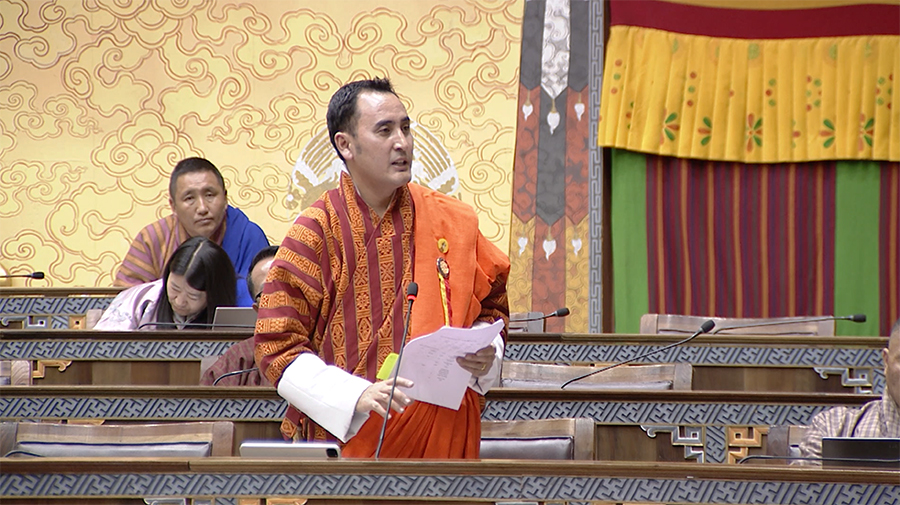
 Through the government’s Rural Connectivity Programme, mobile network coverage has expanded to almost all rural areas, except for a few remote highland sites. According to the Minister for Industry, Commerce, and Employment, more than 850 villages in the country have now access to 2G and 4G services.
Presenting the Action Taken Report on mobile networks in rural areas, the minister said the remaining unconnected areas are mostly located in highlands and technically challenging terrains.
He added that efforts are underway to identify areas with weak connectivity and carry out targeted interventions to improve network reliability and performance.
Namgyal Dorji, Industry, Commerce, and Employment Minister said, “Since the programme began, it has not only bridged connectivity gaps in previously unconnected areas but also improved overall network quality. This has benefited a wider population by providing reliable communication.”
Currently, the seventh phase of the Rural Connectivity Programme, worth 176 million ngultrum, is underway and expected to be completed by November this year. During this phase, the government aims to connect 17 villages across 12 gewogs in seven districts.
The minister also shared that a nationwide assessment for mobile Quality of Service is ongoing. It is an overall assessment of service reliability in the country. So far, the assessment has covered five districts: Lhuentse, Samtse, Samdrup Jongkhar, Trashi Yangtse, and Monggar. Assessments in the remaining districts will be carried out in a phased manner, with priority given to areas experiencing erratic connectivity or lacking service altogether.
Meanwhile, some Members of Parliament stressed the need to explore satellite phones for highlanders.
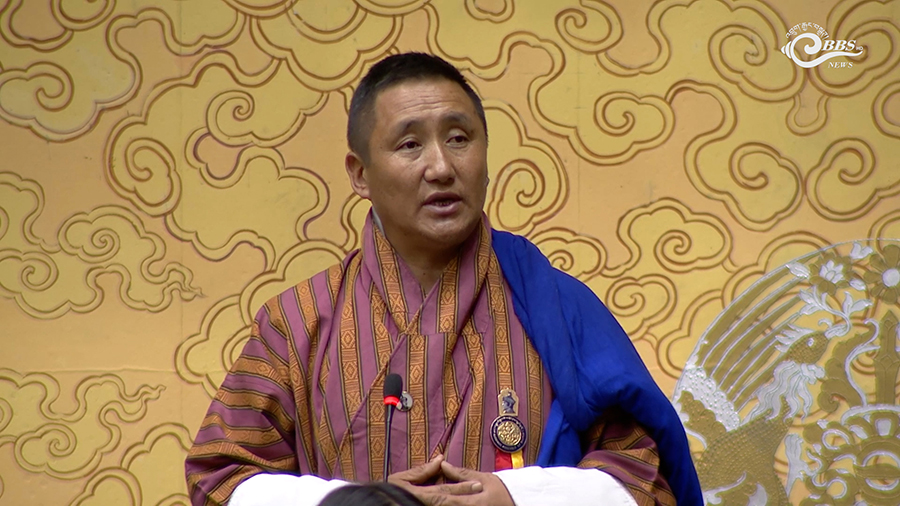 Kuenga, Wangdue Phodrang’s Nyisho_Saephu MP, said, “For some highlanders, especially during the cordyceps harvest season, people have to walk for nearly two days to reach areas with network coverage during emergencies. As I have raised repeatedly in previous sessions, it would be beneficial to provide satellite phones in groups as a temporary measure.”
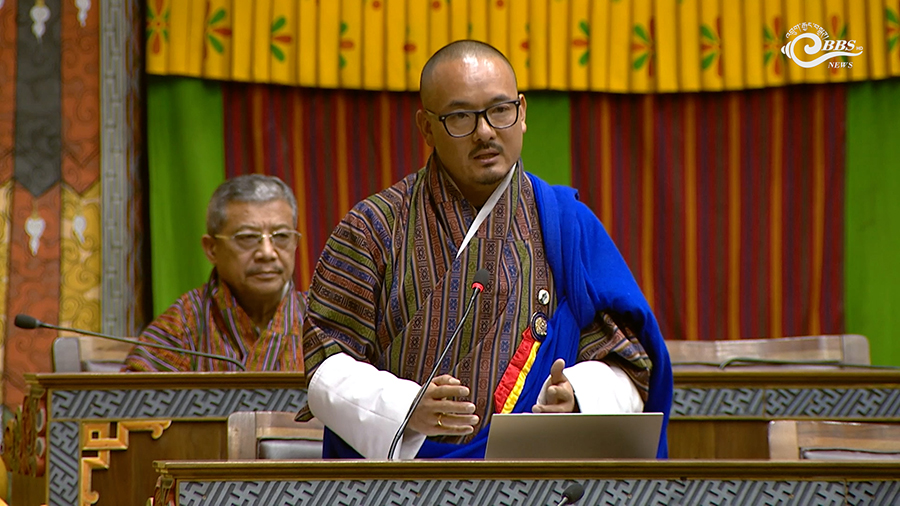 Kuenzang Thinley, Bumthang’s Choekhor_Tang MP said, “Due to poor connectivity, even medical evacuations cannot be arranged on time, causing significant inconvenience. During election campaigns as well, we pledged to provide satellite phones in groups. Therefore, we need clarity on whether this can actually be implemented.”
The Industry, Commerce, and Employment Minister said, “The regulatory authority, Bhutan InfoComm and Media Authority, has clear guidelines regarding satellite phones. Not everyone can import or use them. Only government offices and organisations are permitted to procure satellite phones, and only for purposes such as security, disaster management, and medical emergencies. Therefore, they cannot be made widely available to meet public expectations.”
A Member of Parliament also suggested the use of handheld radios as an alternative.
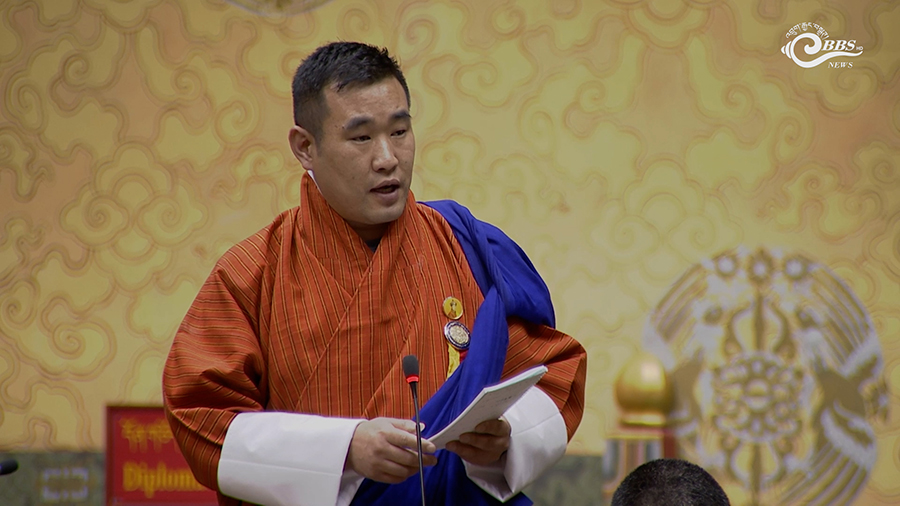 Sonam Tashi, Paro’s Lamgong-Wangchang MP said, “Instead of relying entirely on the government to solve every issue, we also need to look for practical alternatives. Highlanders collecting cordyceps do not stay there permanently, and many go there to earn an income. Since BICMA permits the use of walkie-talkies within a range of five to twenty kilometres, this could be a possible solution.”
While acknowledging the suggestions, Minister Namgyel Dorji the government will continue to work on improving the reliability and quality of mobile services across rural Bhutan along with expanding coverage.
Devika Pradhan