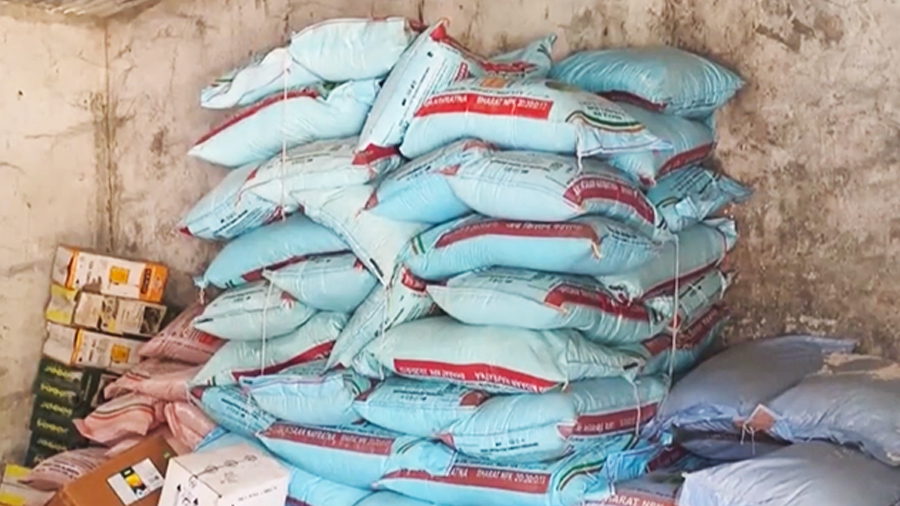
As many countries in the region face fertilizer shortages or rising costs amid ongoing conflicts, the agriculture and livestock ministry assures that Bhutan has sufficient stock to meet domestic demand until November this year. The ministry also confirms that fertilizer prices in the country have remained stable, with no increases reported so far.
The onset of farming season in the country just began with the arrival of spring.
The demand for fertilisers such as urea usually peak during paddy transplantation season which begins from next month in major rice-growing districts.
As per international media reports, supplies of nitrogen including urea, the most widely traded fertiliser that helps plants grow and boosts yields, are the hardest hit because of shipping delays and the soaring price of liquefied natural gas.
Bhutan usually imports around 2800 to 3000 metric tonnes of fertilisers annually on average.
During the Meet the Press session, the agriculture and livestock ministry says shipments have already been arranged in advance with consignments currently stationed in Phuentshogling.
Sonam Pelgen, Dy. Chief Planning Officer of MoAL said, “Currently, there are about 600 metric tonnes of urea, 400 metric tonnes of sulphalane and 100 metric tonnes of SSP with 330 metric tonnes of urea still in transit. So, by this we will be having in stock some more than 1000 metric tonnes of fertilizers which would be enough for our country to cater to the immediate plantation requirements in the country as much as till November 2026.”
He adds that pricing structure has also remained unchanged for the past five years, following an adjustment made in 2021.
Further, the ministry has not received any indication from suppliers regarding any potential price revisions.
The ministry says it will continue to closely monitor global market trends and supply conditions to ensure both affordability and availability of fertilisers in the country.
Countries around the world are reporting a shortage of fertilisers and price surges due to the conflict in Iran, which has disrupted shipping through the Strait of Hormuz.
Samten Dolkar