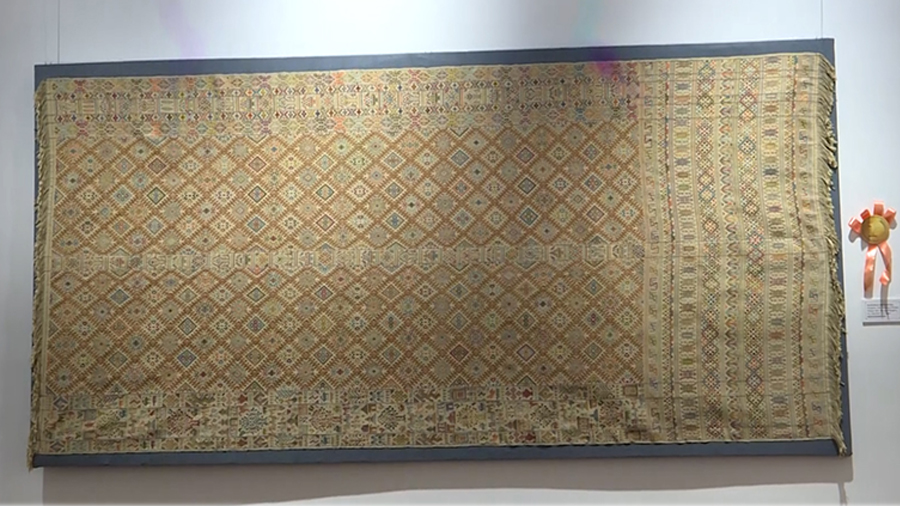
 GMC landmarks came alive on an intricately designed and hand-woven Kishuthara during the National Design and Art Competition today. The piece secured first place in both the kira designing and weaving categories. This year’s National Design and Art Competition announced winners across six categories, honouring the skill, dedication, and creativity of the country’s finest artisans and designers.
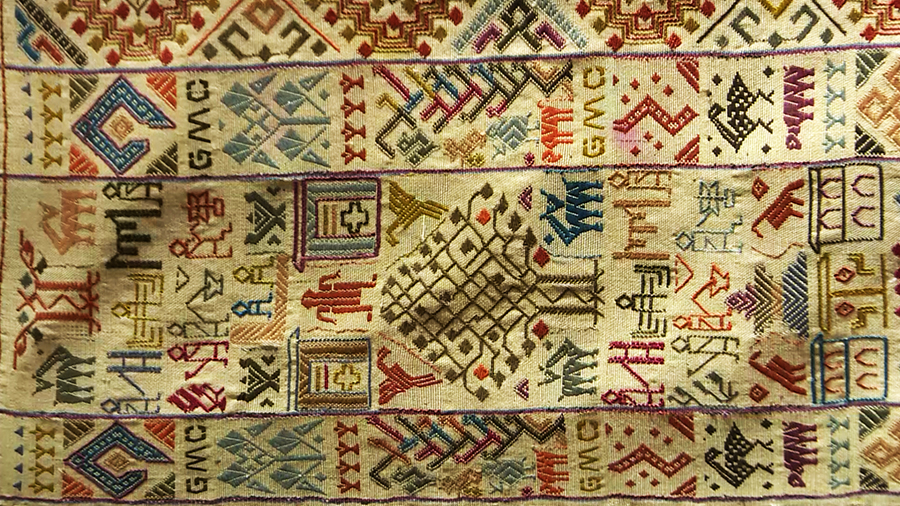 Each motif on the Kishuthara carries a meaning. A pattern on it represents the GMC airport, symbolising connection and progress. Several motifs show the monasteries and stupas, highlighting the growth of spiritual and religious heritage in GMC.
The trees and animals across the fabric reflect how nature is preserved amidst development.
Through every motif, GMC’s spirit and Bhutanese artistry shine.
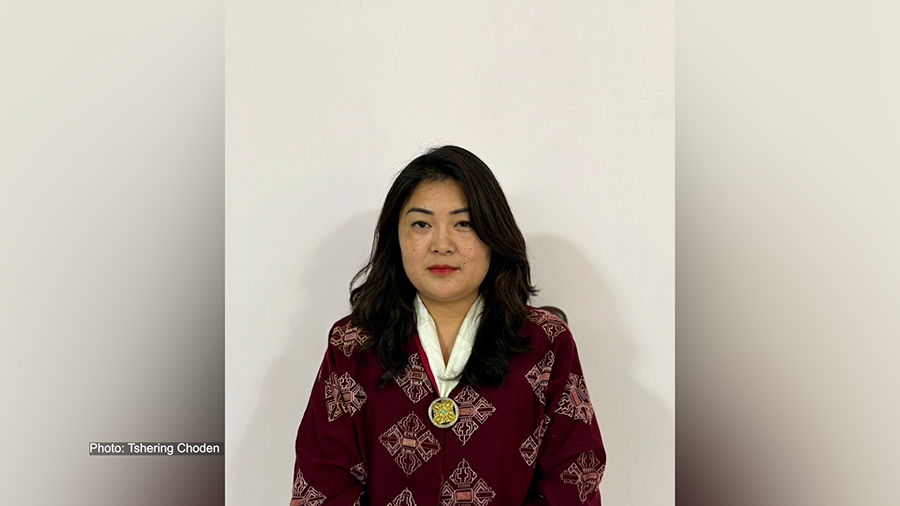 The design was created by Tshering Choden, a Bhutanese designer in her early 30s. She won the Best Designer award at this year’s competition.
Representing designer Tshering Choden, her mother said that the competition serves as a platform for artisans and designers to express their admiration and devotion for the Gelephu Mindfulness City through their work, even if they are unable to contribute directly to the city’s development.
“Such recognition helps build our visibility, enabling us to sell our kiras. It is a good marketing platform, allowing us to gain international recognition as well,” said Deki, Tshering Choden’s mother.
Tshering’s ideas were brought to life by weaver Sangay Wangmo.
Sangay has been weaving for more than three decades. She began weaving when she was seven. This is her first time participating in and winning a competition.
“Till now, I haven’t participated in such a competition. I am really happy to be part of it, and I wish to participate more in the future. In doing so, I will also be inspiring younger generations to weave,” said Sangay Wangmo.
Like Tshering Choden and Sangay Wangmo, several artisans and designers brought their own creations, each with a unique story to tell.
In the Gho Weaving category, however, no prize was awarded this year, as none of the participants met the benchmark of 70 per cent.
In the Wood Carving category, Tashi Tobden claimed the first prize.
In Traditional Painting, Dorji Wangchuk stood first as a designer, while Yeshi Tenzin was recognised as a top artisan. Sonam Wangmo was the winner in Embroidery, and Kinzang Dorji secured first place in Sculpture.
The National Design and Art Competition is one of the platforms that continues to promote Bhutanese heritage.
The artisans and their creations not only celebrate Bhutanese textiles and arts but also bridge cultural storytelling, showing that traditional crafts can carry contemporary messages without losing their timeless charm.
Sangay Chozom
Edited by Phub Gyem