
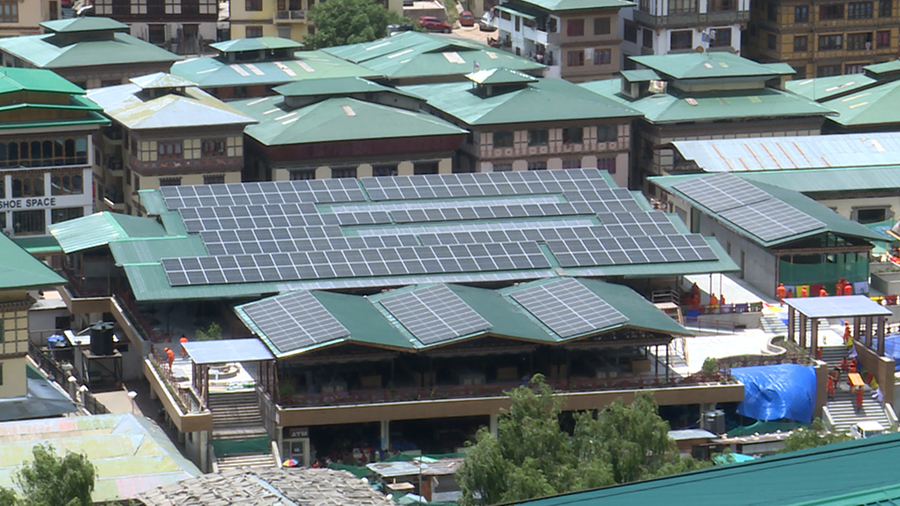
 Bhutan is moving beyond a hydropower-dominated energy system and opening up space for solar power. The government’s new National Energy Policy and updated FDI rules are making it easier for both local and foreign investors to take part. As a result, interest in solar projects is rising.
For decades, hydropower has powered Bhutan’s economy. But changing weather patterns, seasonal shortages, and rising demand are now putting pressure on the system.
According to the Druk Green Power Corporation, electricity demand could increase by 232 per cent this year. This gap is prompting the government to look for alternative energy sources.
The government is now turning to solar energy as a key solution.
The government has set a target to generate 5,000 megawatts of solar power by 2040. To support this, the National Energy Policy 2025 opens the sector to private investment. It allows companies to design, finance, build, and operate solar projects.
The energy policy gives companies 25 years to run their solar farms and earn a profit, with the option to extend.
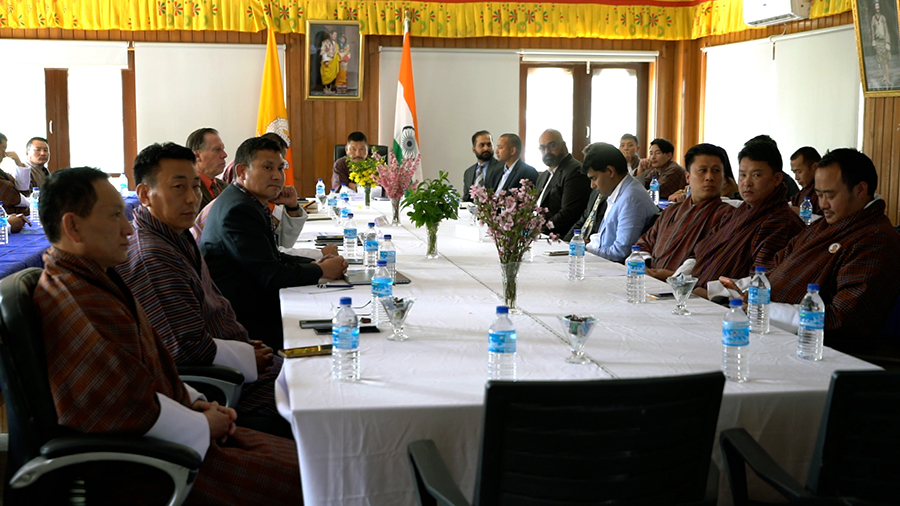 “Until now, businesses were not allowed to invest in solar power, but the government has now opened the sector and introduced incentives. Earlier, a megawatt cost around Nu 40 M, but now it has dropped to about 35 M. This makes solar a profitable venture,” said Tandy Wangchuk, the president of Bhutan Chamber of Commerce and Industry.
The FDI Rules and Regulations 2025 further strengthen this shift. They place renewable energy, including solar, under priority sectors.
Authorities must approve complete project proposals within three working days, according to the new rules. The rules also allow flexible ownership. Investors can take full or partial ownership, or partner with Bhutanese firms.
“I have been working in solar projects for a decade, and this is a good time to expand. Taxes are currently low, but that also affects viability. As energy prices rise, the potential will become clearer. We are ready to implement projects, but collaboration is key. We need support from experts and companies. Land is also a major concern since Bhutan is mountainous, and if lease rates increase, projects may become expensive,” said Karma Jigme, the CEO of JB Solar Solutions.
The domestic investors say regional collaboration can help Bhutan grow its solar energy sector.
Companies like India’s Adani Group are already engaging with local stakeholders to explore opportunities and share expertise.
“India and Bhutan already help each other during seasonal energy shortages. It has strong hydropower resources, and we can support its quest to expand its renewable energy. With a target of developing 5 gigawatts of solar energy, this is the right decision. Solar projects can typically be completed within 18 months, and even with challenges, most can be commissioned within 24 to 36 months,” said Sivakumar Vepakomma, the director of the Solar Energy Corporation of India.
As Bhutan expands its solar capacity, the private sector expects to become a key partner in meeting rising demand and strengthening energy security.
Deki Lhazom
Edited by Sangay Chezom