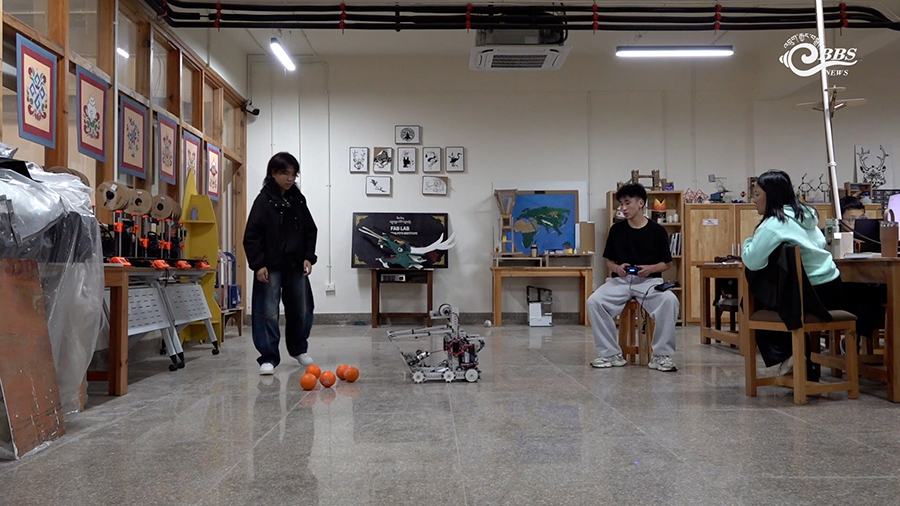
 Four students are turning their interest in robotics into an opportunity to represent the country on the global stage. With weeks of preparation behind them, the team is now fine-tuning their robot and, just as importantly, learning how to work as one. They will compete at the FIRST Global Challenge in South Korea next month, where students from more than 190 countries will come together to test their robots, problem-solving skills and teamwork.
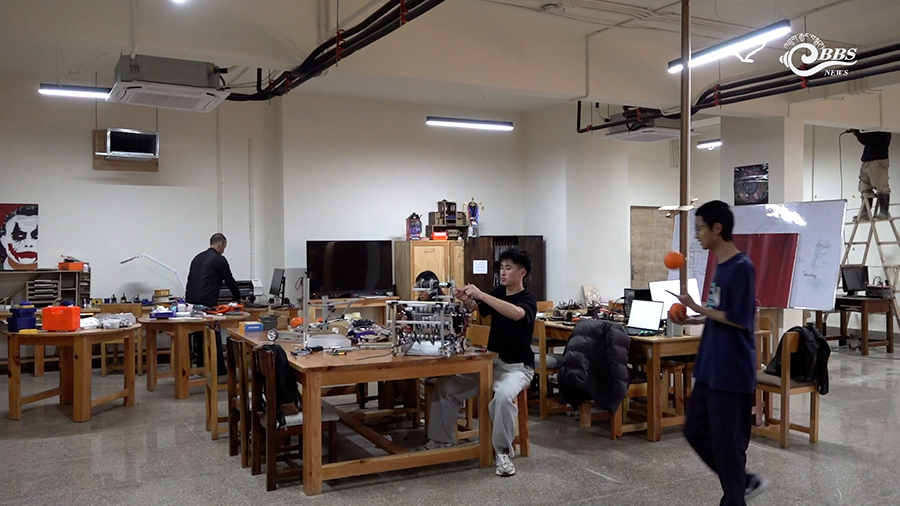 A shared interest in robotics brought these four students together. Now, they have a bigger challenge: turning four different strengths into one team capable of competing in the world’s largest international robotics competitions.
The team was selected through a nationwide process, bringing together four students and two mentors for a month of preparation.
For Bhutan, it will be the fourth time competing.
This year’s competition will be held in Incheon, South Korea, from October 7 to 10. Themed “Igniting Innovation”, it focuses on wildfire prevention, mitigation and recovery through strategic gameplay.
Teams will work with other national teams in alliances to use robots to contain simulated fires and protect their regions. Through the challenge, students will explore how technology can help protect communities and the environment from the growing risk of wildfires.
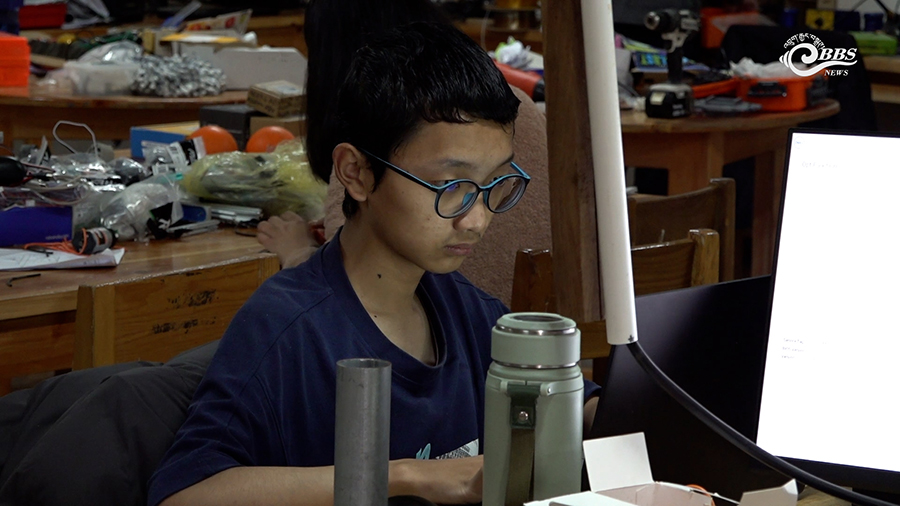
For 17-year-old Younten Thinley Dendup of Mothithang Higher Secondary School, the experience has changed how he approaches coding.
“I think the biggest difference is what I choose to learn. Before, I was doing it more for passion and what I like. I was seeing stuff that I thought was interesting or finding coding languages that I thought were really cool. Now, for the competition, it is mainly focused on how to utilise coding and the different parts we are given and checking how each individual part must be coded based on the official documentation.”
But building a competition-ready robot is only part of the challenge.
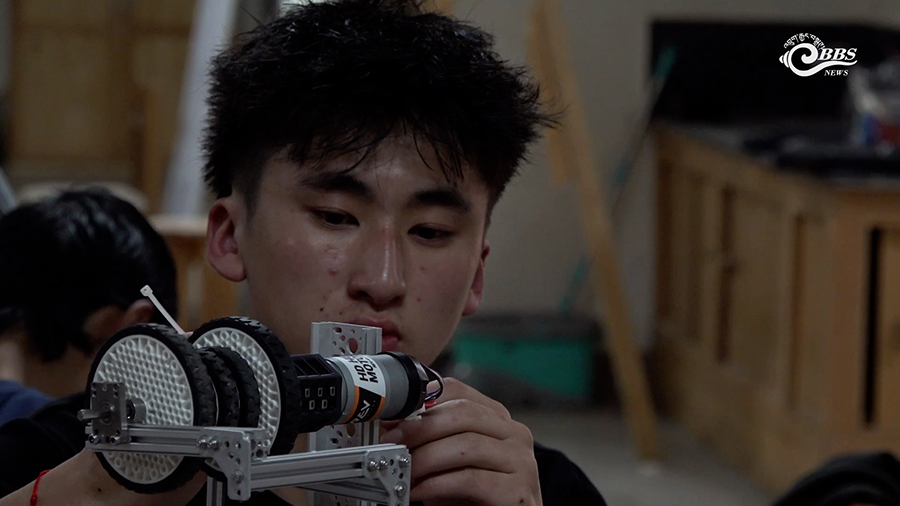
For 17-year-old Sonam Tshering of The Royal Academy in Paro, learning to communicate and work with others could be just as important.
“I feel like being able to communicate ideas is key. We have to be able to understand the ideas coming from other teammates and share our ideas with them. If we can do that, I feel like we will be able to represent Bhutan well in the competition.”
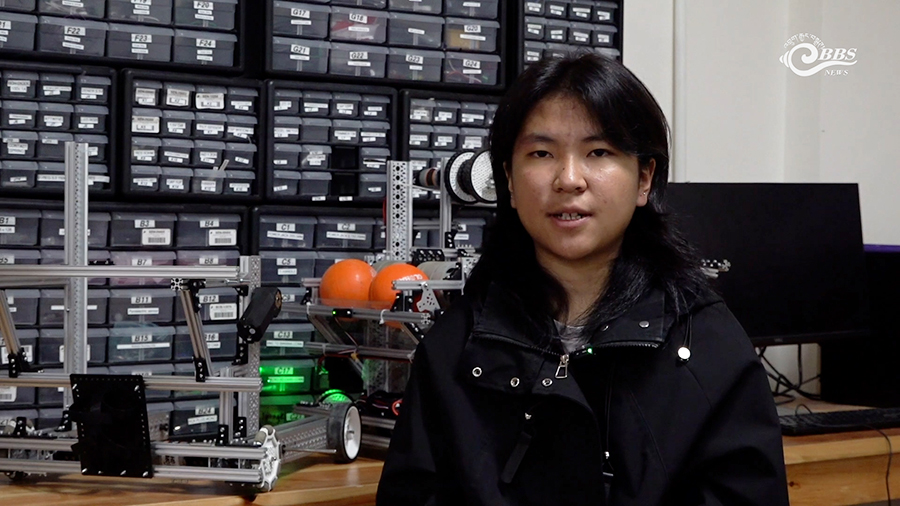
For 16-year-old Yangchen Dolma from Motithang Higher Secondary School, representing Bhutan adds another dimension to the experience.
“I have participated in other competitions before, but this time it feels a lot different. I am not only representing myself or my team, but I am also representing Bhutan on a global stage. It really excites me thinking about it because I get to meet a lot of different people in the competition.”
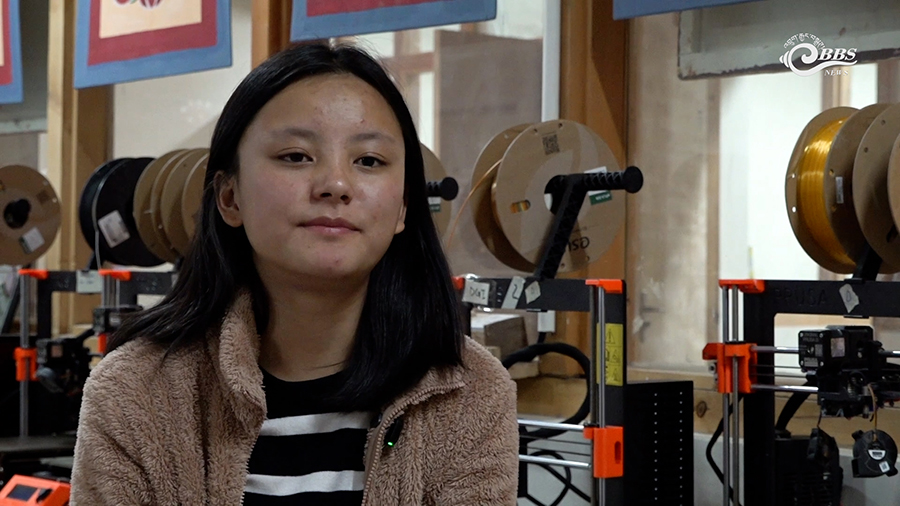
And for 18-year-old Tshering Wangmo from Rangjung Higher Secondary School, the opportunity extends beyond the competition itself. She is helping prepare souvenirs that reflect Bhutanese culture, which the team will share with participants from other countries.
“I feel proud to be a part of Team Bhutan and honoured. It is not only an opportunity, it is also a responsibility. FIRST Global Challenge is not just a competition; it is also a chance to represent our country. I am very excited to share our culture and unique traditions and values with people around the world.”
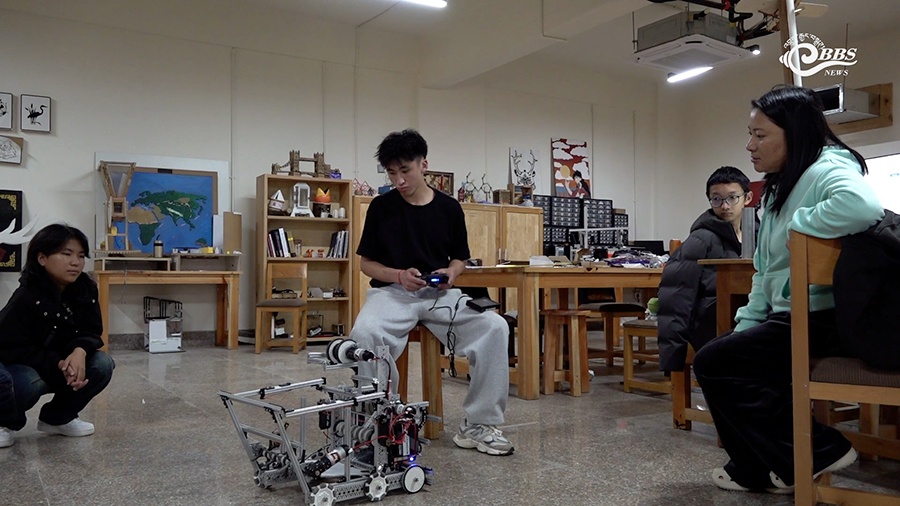 For the past month, the students and their mentors have been working in Pangbisa, putting their different skills into one robot.
Now, the focus is on testing, fixing and fine-tuning the robot before they face the scale and pace of the international competition.
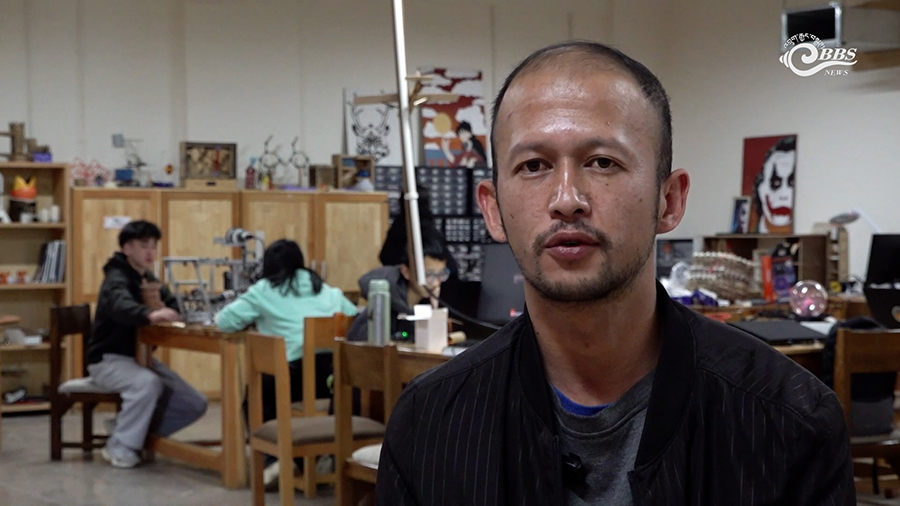
“Moving forward, what we would like to do is to fine-tune the robot, like the launcher, collector and everything and also to make sure our students are confident enough when they go to the competition. We have watched the previous year’s competitions, but we have noticed that it’s on a grand scale. So, the students must also be confident to be a part of the competition,” said Anith Ghalley, Mentor, Team Bhutan.
For the students, the preparation has already become more than a robotics exercise. It has taught them to solve problems, adapt and work together, while giving them the confidence to step beyond the classroom and onto a global stage.
Karma Samten Wangda, Paro
Edited by Sonam Pem