
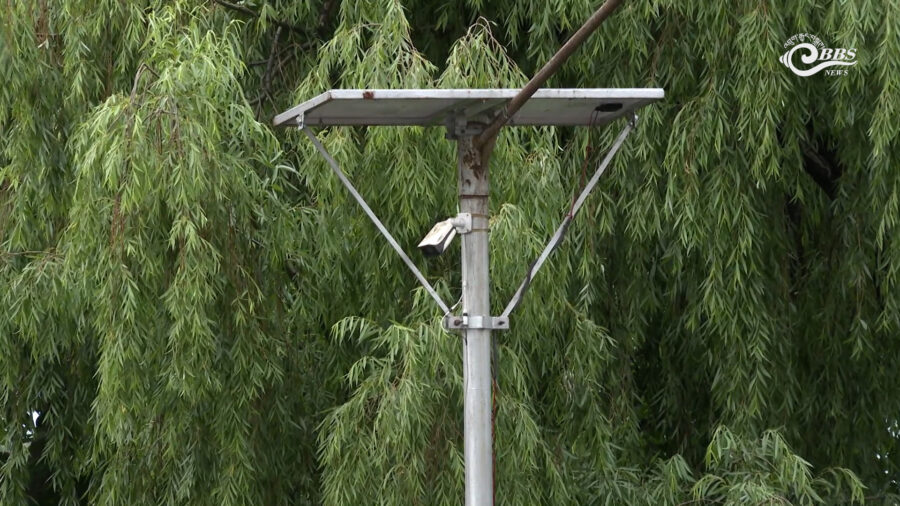
 CCTV cameras are helping Thimphu Thromde catch people who litter and dump waste in public places. Since surveillance began last year, the Thromde has recorded 47 cases and collected more than 88,000 ngultrum in fines. While the CCTV cameras appear to be changing behaviour in some areas, questions remain about whether the city has enough waste facilities to support cleaner public spaces.
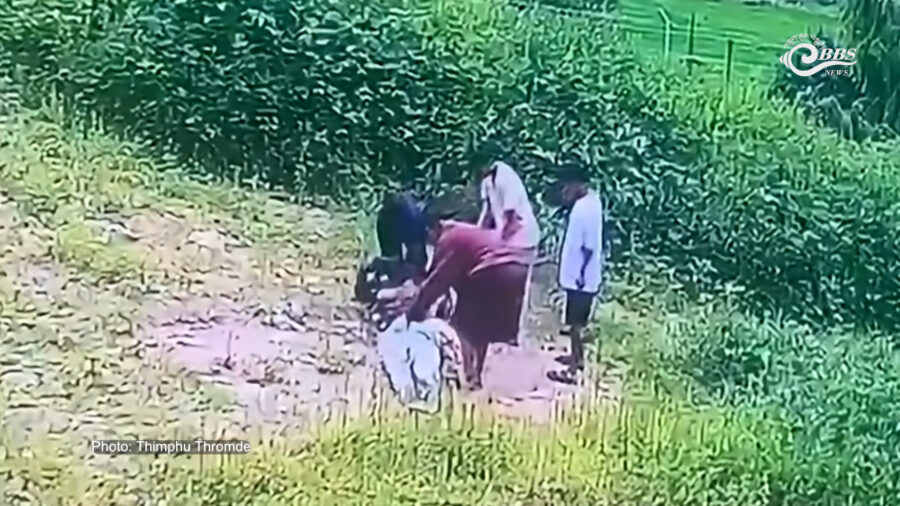 Between August and December last year, the Thromde recorded 25 cases of littering and illegal dumping through CCTV surveillance. Another 22 cases were recorded between January and September this year.
The Thromde posts footage of offenders on its social media pages. In many cases, people identified in the videos come forward to pay the fines.
The Thromde says the CCTV initiative has helped in deterring people from dumping in public spaces.
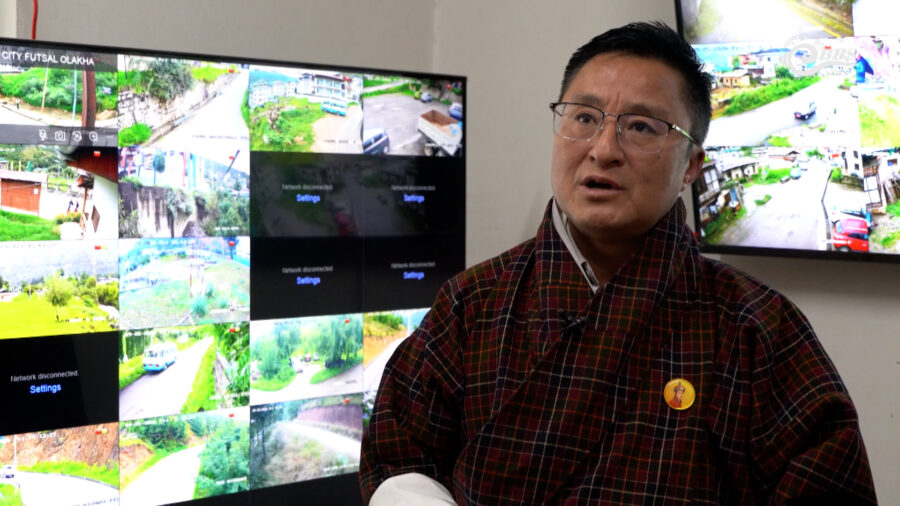
“Lungtenphu viewpoint was earlier one of the areas where we usually saw a lot of waste. People would gather there and, when they left, much of the waste was not properly disposed of. Now, with the installation of CCTV in the area, it has become perfectly clean,” said Sonam Wangchuk, Chief Environment Officer for the Thromde.
The surveillance system started with 30 cameras installed at different locations across the city. Twenty more have since been added, bringing the total to 50.
The Thromde plans to install more cameras to expand surveillance coverage across the capital.
However, some residents question whether it is fair to expose and fine people for littering when waste bins are still limited in some public areas, including busy town areas and viewpoints.
The Thromde says bins have been placed across the Thromde through One Thimphu: Bhutan’s Heart Project.
For ritual cakes, or torms, the Thromde has identified around eight designated disposal sites across the city. These include Dangrina, Chang Bangdu, Babesa, Lubding, Langjophaka, Hejo and the Norzin disposal site.
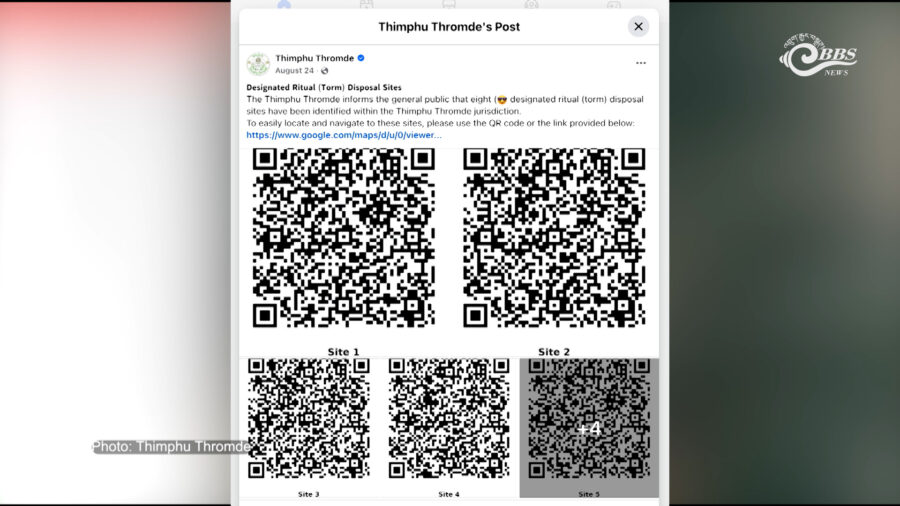 To make the sites easier to locate, the Thromde has provided QR codes and links through its Facebook page, allowing residents to navigate to the designated disposal areas.
The chief environment officer said, “No matter what we do to reduce or prevent waste, Thromde alone cannot do much. Therefore, I sincerely ask all our communities to help Thromde work and come together. I think we can reach that level of our vision, working to reach zero waste by 2030.”
Beyond enforcement, the Thromde is also working on waste management infrastructure.
A material recovery facility is planned at Memelakha to process recyclable waste collected through door-to-door services and drop-off centres.
A compost plant at Memelakha is already operational to manage organic and vegetable waste.
The Thromde says continued public participation, along with monitoring and improved waste-management facilities, will be important in achieving its goal of zero-waste by 2030.
Namgay Wangdi
Edited by Sangay Chezom