 For generations, handwoven kishutharas have been valued for their craftsmanship and the hours of work behind every piece. But cheaper, machine-made versions imported from neighbouring countries are changing the market, with shop owners reporting a sharp drop in sales of handwoven kishutharas since last year.
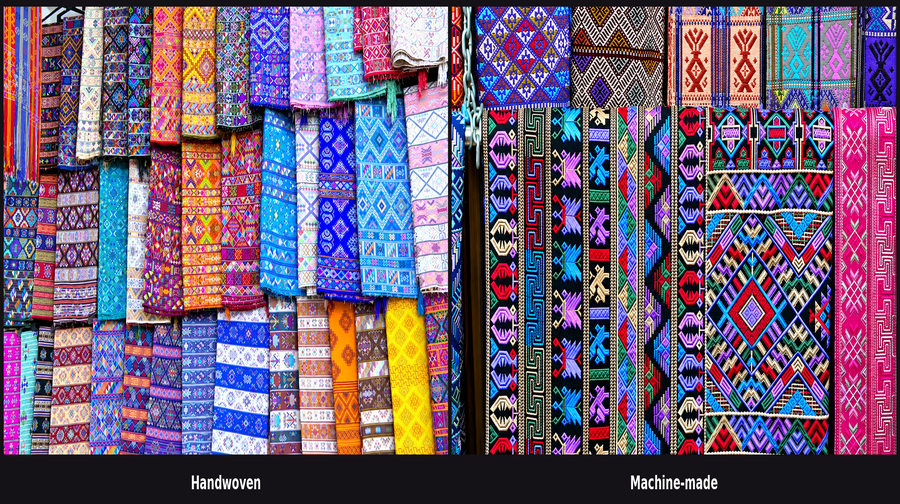
A familiar pattern. Similar colours. At first glance, almost the same look. But behind these two kishutharas is a very different amount of time and labour.
Machine-made versions, imported from neighbouring border towns, are becoming increasingly common in Bhutanese markets. And while they offer consumers a cheaper way to wear traditional designs, they are putting pressure on those who still weave them by hand.
For weavers, the difference is not just in how the kira is made. It is also in how long it takes to sell one.
“Since the kiras that are imported are machine-made, there is a difference in pricing. They are much cheaper than handwoven kiras. It takes a long time to weave our kiras, and because machine-made kiras are easily available, we have a difficult time selling ours. The price is also higher because of the time and effort that goes into making them,” said Chezom, Weaver, Gagyel Lhundrup Weaving Centre, Thimphu.
The difference becomes clearer when it comes to the price.
Depending on the material, design and workmanship, a handwoven kishuthara can cost considerably more than the machine-made versions.
And shopkeepers say that price gap is increasingly influencing what customers choose.
“There are a lot of machine-made kiras in the market as of now, and because of that, the sale of our handwoven kiras has decreased significantly compared to before,” said Norbu Wangdi, Shop Owner, Thimphu.
“Usually, people don’t purchase the machine-made kiras a lot, but since it’s Tshechu season right now, the sales are better,” said Jamyang Gyeltshen, Shop Owner, Thimphu.
But for consumers, that affordability can make a difference, particularly during Tshechus and other occasions when traditional dress is a must.
The machine-made versions may closely replicate traditional designs and colours. But what cannot easily replicate is the time and labour that goes into every handwoven piece.
The growing popularity of machine-made kishutharas therefore presents a complicated picture.
For buyers, it means greater choice and more affordable access to traditional designs. But for weavers and sellers, the challenge is selling handwoven kishutharas in a market where cheaper, machine-made alternatives are becoming more common.
As machine-made kishutharas become more common in the market, the question is whether the market will continue to value what cannot be seen at first glance: the hours of work, the skills of the weaver and the tradition carried through every thread.
Sherub Dadron Palzom
Edited by Sonam Pem