
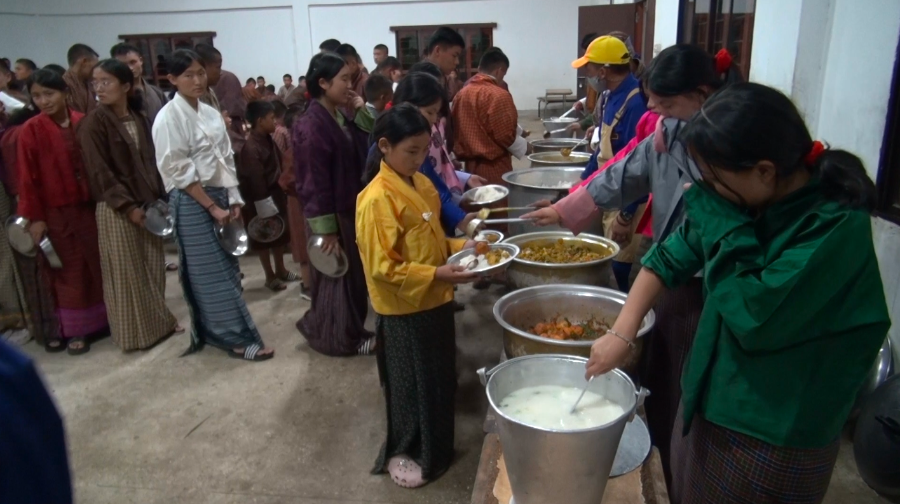
 In Trashigang’s Gongthung village, the school kitchen and the village farms have found each other. The farmers produce vegetables and other farm products, while Gongthung Middle Secondary School buys them. This convenient arrangement has provided the local farmers with a ready market and the students, a food grown close to home.
Every Tuesday and Saturday, vegetables leave Gongthung’s fields for the school kitchen. Members of the farmers’ vegetable groups take turns to make the delivery.
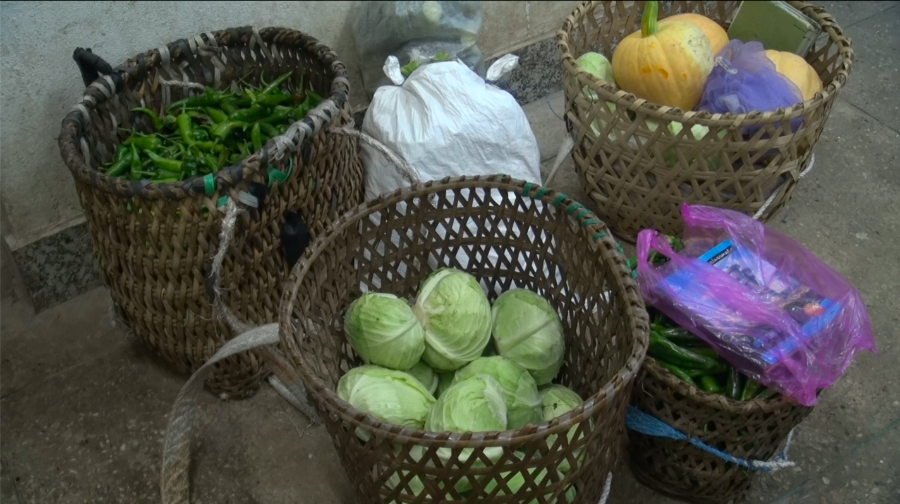 There are four vegetable groups in the village. A poultry farm located near the school also supplies eggs, and the Gongthung dairy group supplies milk and other dairy products to the school’s mess.
“Those who supply more vegetables earn more. Some farmers make between Nu 5,000 and Nu 9,000 a month, while those who supply smaller quantities earn around Nu 300 to Nu 700. Earnings also depend on the type of vegetable. Radish, for instance, brings in less because its price is lower. On the other hand, vegetables such as broccoli and potatoes fetch better prices,” says Yeshi Lhamo, a farmer.
Together, the farmers earn about Nu 250,000 a month, which is about 42 per cent of the total amount the school receives as its meal stipend for students.
According to the farmers, particularly those into poultry farming, their income improved following the government’s revision of the meal stipend for boarders last year. It increased to Nu 3,100 from Nu 1,500.
Kintu, a poultry farmer, says, “Earlier, I struggled to find a market for my eggs, as some shopkeepers would not buy them. But after the students’ meal budget increased, I began supplying eggs to the school. Now, I earn between Nu 100,000 and Nu 120,000 monthly.”
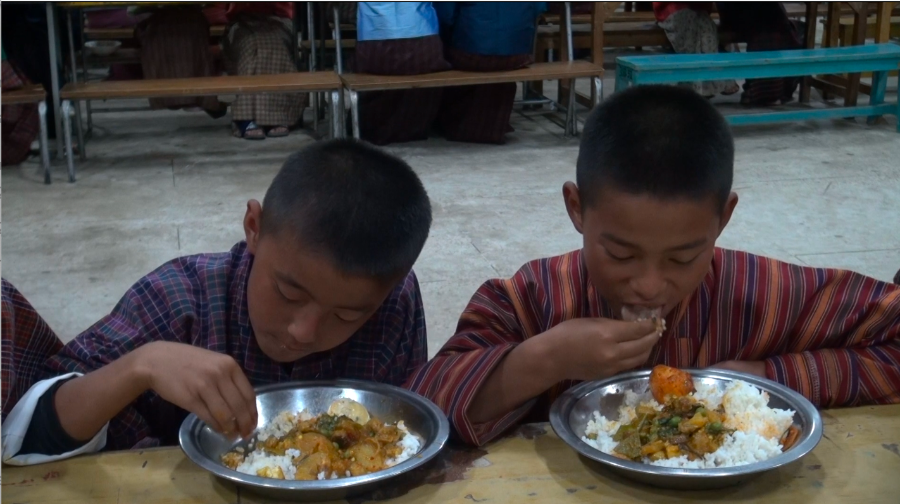 For the school, sourcing farm products from the community helps provide nutritious meals to its students while strengthening local food production and rural livelihoods. However, for now, the supply does not yet meet every need.
 The school’s mess in-charge, Wang Gyeltshen says, “We have to source bananas and apples from outside because they are not available locally in sufficient quantities. However, we buy watermelons, cucumbers, and pears from the farmers here. Whenever available, we also try to buy organically grown fruits from them.”
Responding to the demand, Gongthung’s farmers have started growing bananas, and the dairy group plans to supply yoghurt to the school.
What is happening in Gongthung is more than a supply arrangement. It is a model that supports farmers, strengthens local food systems, and benefits students; one that deserves wider encouragement and support.
Sonam Darjay, Trashigang
Edited by Sonam Wangdi