
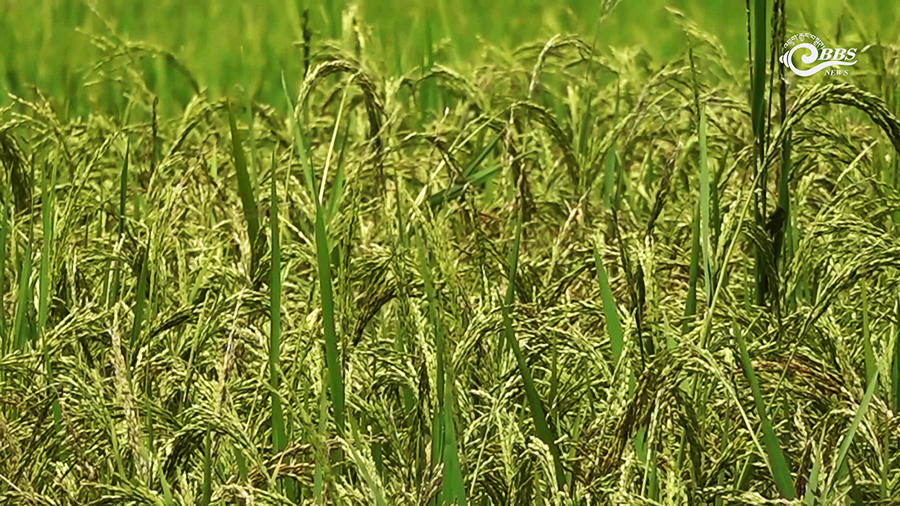
 Local rice varieties are valued for their taste and quality, but pests, diseases, and a changing climate continue to affect yields. Now, researchers are looking at ways to retain the best qualities of local rice while making the varieties more productive and resilient. Fifteen researchers are undergoing a two-week training on crop breeding and hybridisation in Wangdue Phodrang.
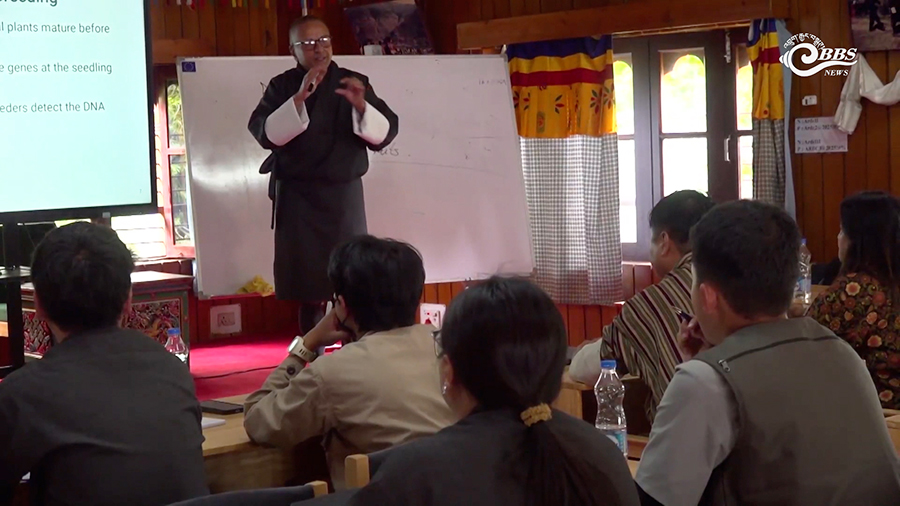 It is the first training of its kind in the country. The researchers are learning practical techniques to crossbreed rice varieties and develop improved varieties.
“So, we are trying to integrate or transfer genes from improved rice varieties into the existing cultivated varieties. This will make them more adaptable to changing climatic conditions and ultimately contribute to higher rice production and self-sufficiency,” said Chezang Dendup, Sr. Agriculture Officer, ARDC, Sampheling, Chhukha.
“Our traditional local varieties are very good in terms of eating and cooking quality, but they have some weaknesses. They are susceptible to diseases and are very tall, so they lodge easily. We want to improve these weaknesses by crossing them with modern varieties without losing their good characteristics, especially grain quality,” said Mahesh Ghimiray, Sr. Lecturer, College of Natural Resources, Punakha.
“The training is being conducted in response to increasing climate variability and the emergence of new diseases. At the same time, improved varieties have genes that provide greater resistance, while some traditional varieties are gradually losing their desirable traits,” said Sherab Lhamo, Agriculture Officer, Agriculture Research and Development Centre, Bajo, Wangdue Phodrang.
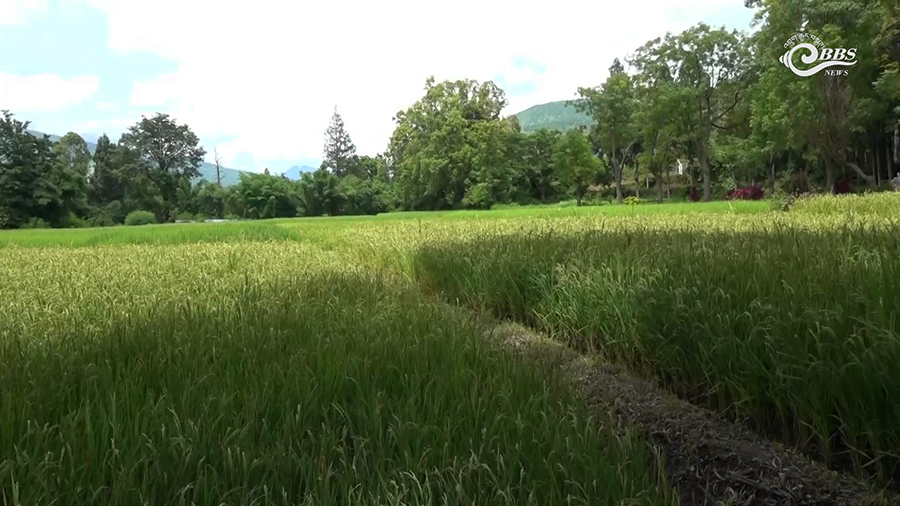 Researchers will use the techniques learned to develop improved rice varieties suited to conditions in their respective regions.
Developing a new rice variety can take around seven to eight years. However, officials say the use of biotechnology could shorten the process to around four to five years.
Rice research began in Bhutan in 1982, and more than 30 improved varieties have since been released. These varieties cover around half of the country’s rice-growing area.
However, officials say farmers continue to prefer local varieties for their desirable grain quality.
Changa Dorji, Wangdue Phodrang
Edited by Sonam Pem