
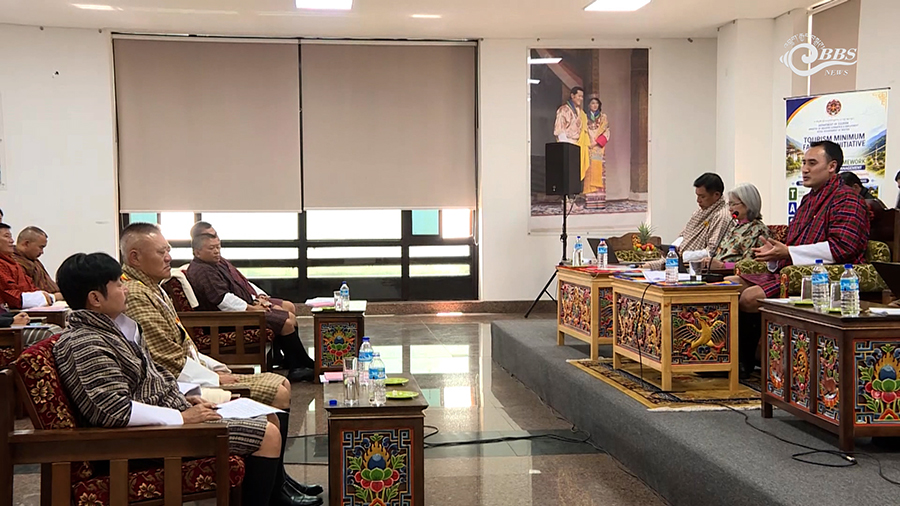
 From high operating costs and loan burdens to policy challenges, businesses across sectors say regulatory issues are affecting their growth. To address these concerns, the government has started a nationwide consultation on Business Regulatory Reform. The industry, commerce and employment minister is meeting private-sector representatives to identify bottlenecks and find practical solutions.
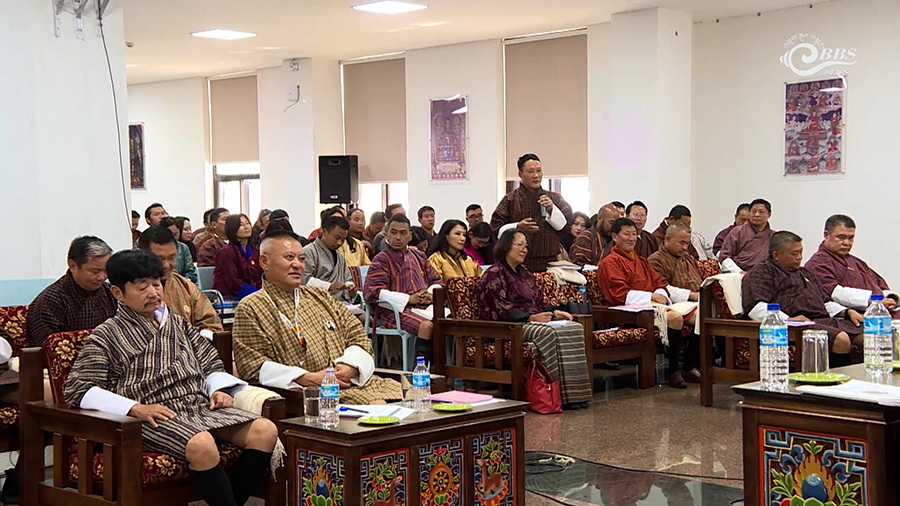 During the first national consultation on Business Regulatory Reform in Thimphu recently, more than 100 private-sector representatives shared concerns affecting their operations
The concerns included improving roadside amenities and ensuring basic facilities for visitors.
Business owners suggested that the government could develop public infrastructure such as toilets, while nearby businesses could maintain them through lease arrangements.
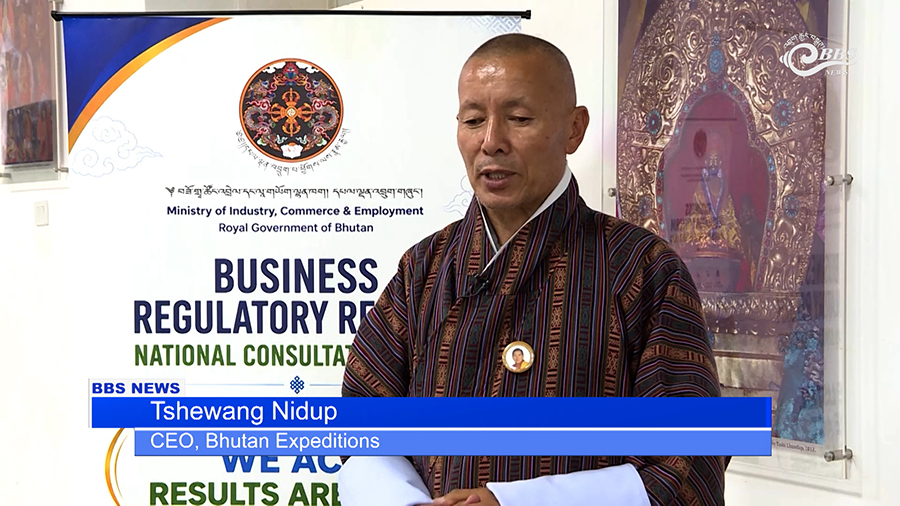 “When guests arrive in our country, they complain about the lack of proper toilets or even toilets themselves,” said Bhutan Expeditions CEO Tshewang Nidup.
“When such problems arise, if the government constructs the toilets, the shops or restaurants could take care of them. The government could then collect rent from the leased land, while the amenities would be properly maintained.”
For many hotels, empty rooms have become a growing concern. With occupancy rates estimated at only 20 to 30 per cent, coupled with high interest rates on loans, owners say meeting repayments has become increasingly difficult.
The tourism sector is now calling for policy changes, including revisions to the Sustainable Development Fee, with proposals for discounts on longer stays, group travel, and trekking packages to attract more visitors.
Businesses also raised concerns about tourist leakage to rental apartments, expensive airfares, and additional costs linked to GST. They called for clearer regulations and stronger support for tourism-related services, including tourist transport operators.
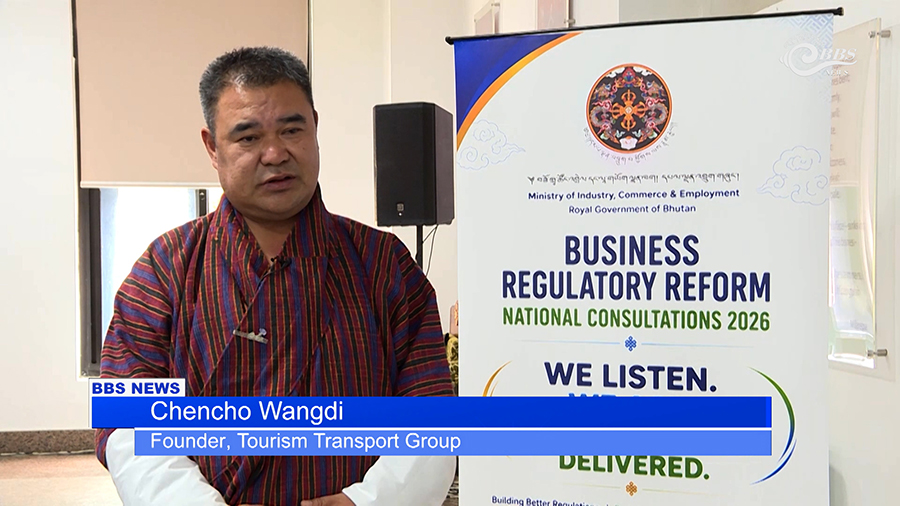 “Everyone knows how much the tourism sector has contributed to the development of the country’s economy. However, without proper regulations and guidelines, people tend to work individually, which leads to a lot of inconvenience. So, we hope to bring about reforms in the coming days,” said Chencho Wangdi, the founder of Tourism Transport Group.
Industry, Commerce and Employment Minister Namgyal Dorji said the reform is not about removing regulations but improving them to address systemic issues and create a more supportive environment for businesses.
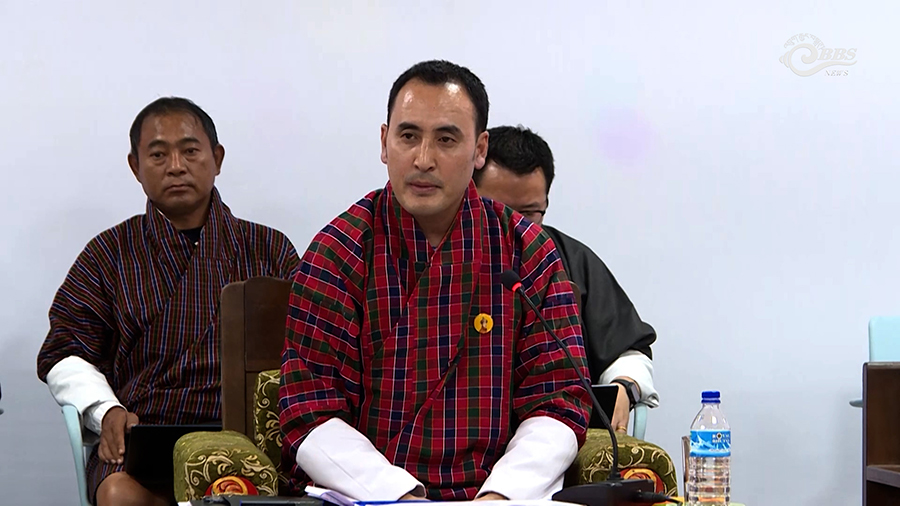 “Doing the consultation in Thimphu alone is not enough. We need to visit different parts of the country. Whatever needs to be discussed and addressed will be documented wherever we go. Even in remote places like Gasa and Lhuentse, stakeholders will hear the same message.”
The systemic effort to identify and resolve business regulatory bottlenecks was one of the 13 pledges made by the government on its first day in office.
With issues raised by the business community in Thimphu, the consultation will continue in other districts as the government seeks feedback from businesses to improve the regulations governing the economic sector of the country.
Kelzang Chhophyel
Edited by Sangay Chezom