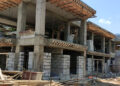
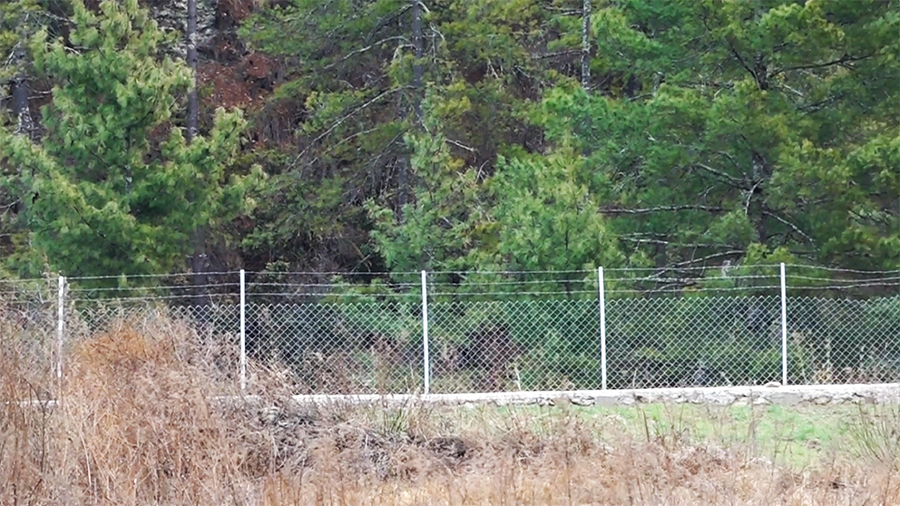
 Farmers in Haa are beginning to return to fields that had been left idle for years due to wildlife damage. A chain-link fencing initiative across parts of the district is now protecting hundreds of acres of farmland, allowing farmers to resume cultivation. Agriculture officials say the effort is gradually helping communities reclaim abandoned land and revive agricultural production.
Last year, about 39 kilometres of chain-link fencing were installed across parts of Haa district.
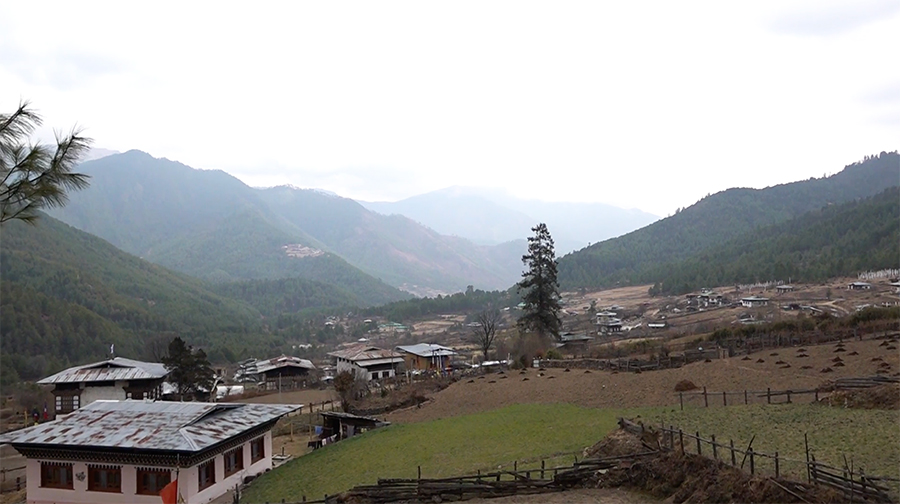 The fencing now protects around 840 acres of farmland and benefits about 330 farming households.
Officials say crop damage caused by wildlife has declined significantly in areas where the fencing has been completed. In Haa, crops are often destroyed by animals such as wild boars, deer, porcupines and monkeys.
Gensa village in Bji Gewog is among the communities benefiting from the fencing.
Sonam Zangmo, a farmer said, “With fencing in place, people are planning to expand cultivation. Without a fence, wild boars destroy our wheat and carrots, which discourages farmers. The fencing has helped us.”
Likewise, Passang said, “If our fields are protected by the chain-link fencing, even elderly farmers like me will be encouraged to work more. I am nearly 70, but I would still be happy to cultivate more land if crops are safe from wild animals.”
Yangzo who is also a farmer said, “Many villagers are planning to expand potatoes and carrot cultivation. From tourism, hotels and shops are benefitted. For us, farming is how we make a living, and we are ready to work hard.”
Similarly, the new fencing in Balamna Chiwog in Samar Gewog hope to bring abandoned land back into cultivation.
Dawa Penjor, Balamna Tshogpa said, “Our villages are planning to bring abandoned farmland back into cultivation, especially for potatoes and wheat. Everyone is looking forward to it, and installation of the chain-link fencing is underway.”
With better protection, farmers in the district are expanding potato cultivation, the district’s main cash crop, along with wheat and buckwheat.
Karma Samten Wangda, Haa